


CIAS Inn: CIAS Research Centre: ‘Focused work takes time’
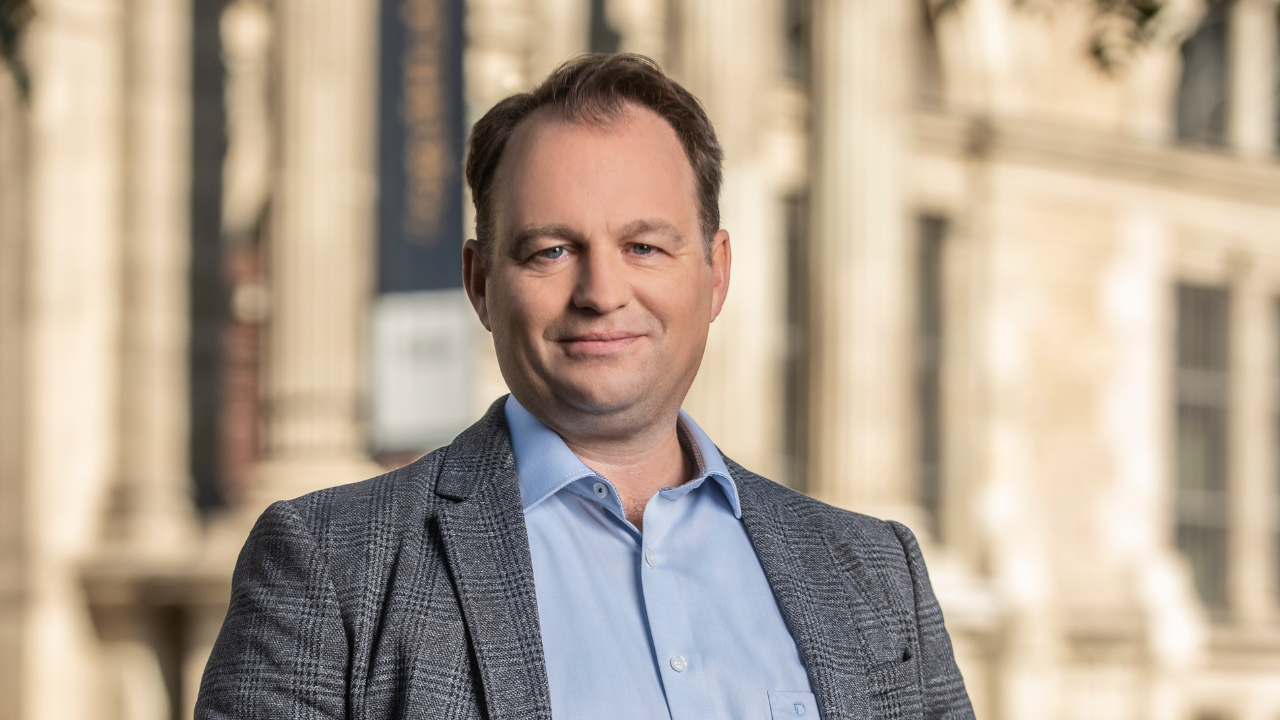
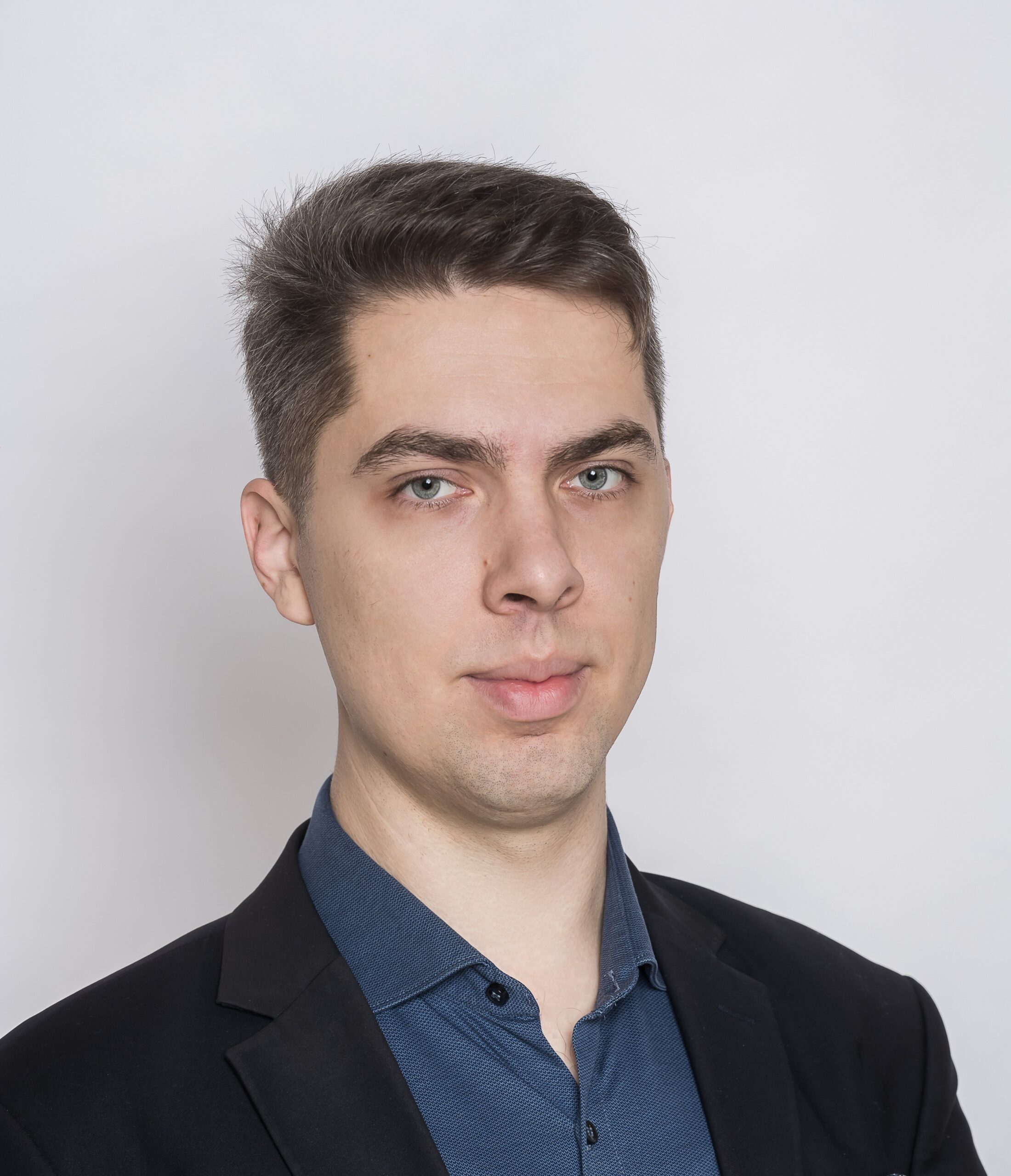
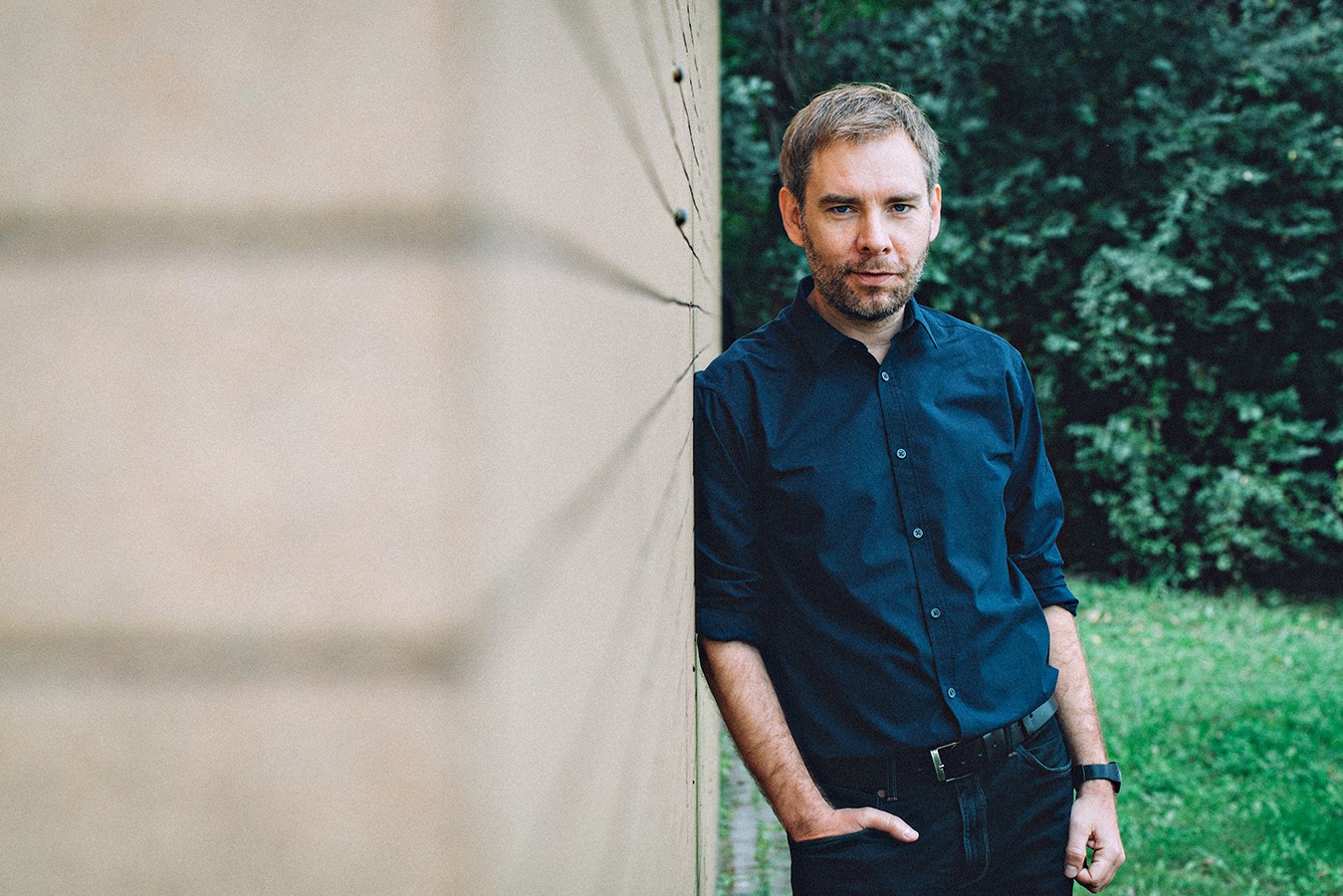
This time we introduce András Fülöp, who lives in Paris and came back – on a temporary basis – from the ESSEC business school in France to Budapest.
Corvinus Institute for Advanced Studies (hereinafter: CIAS) was established by the Senate of Corvinus University in 2018 as a key preparatory initiative of the renewal of the University. CIAS aims to combine the best elements of the various existing models of ‘IAS’ to attract outstanding international research fellows and initiate unique research centers and projects.
Since its establishment, CIAS has become an internationally recognized research hub in Central Europe. We have hosted more than 100 international visiting scholars from prestigious universities (e.g., Harvard University, The University of Chicago, Cornell University, Princeton University, London School of Economics and Political Science, Bocconi University, ETH Zürich, Sapienza University of Rome, King’s College London).
Our visiting research fellows bring a vast range of topics that either significantly expand or change the fundamentals of their field (e.g., game theory, social inequalities, business strategy, operations research) or lay the cornerstones of contemporary topics (e.g., sustainability, artificial intelligence, business ethics, network science).
The CIAS research fellows always find a way to collaborate with Corvinus faculty, and they provide invaluable support to researchers, lecturers, and even students at the University (e.g., workshops, consultation, joint research, joint grant application, invitation to editorial board of prestigious international journals). Furthermore, the CIAS alumni are lively, and our former fellows often come back for a short visit, or join one of the institutes of Corvinus, or publish together with Corvinus faculty.

This time we introduce András Fülöp, who lives in Paris and came back – on a temporary basis – from the ESSEC business school in France to Budapest.

We are launching a series: we draw attention to scientists arriving at the CIAS international research centre, so that we could integrate them even better in their university community during their stay here.