The Corvinus Sociology Doctoral Programme prepares you for the international academic and professional labour market. The hallmark of our programme is its dissertation-focused approach: we have minimized traditional coursework that addresses broad, general topics, and instead offer courses that directly support the writing of the dissertation. Our aim is to train researchers who are capable of conducting socially relevant, theoretically grounded research that meets international methodological standards.
The language of instruction is English, allowing our students to integrate into the global scientific community from day one of their doctoral journey.
Why Choose Corvinus Sociology?
The program requires only 5 mandatory subjects in total:
The entire structure of the doctoral program is designed to support the writing of the dissertation. Students engage in regular consultations with their supervisors. At the end of each semester, students submit a brief written report summarizing the progress of their research, conference presentations, publications, and their work plan for the upcoming period. Twice a year, students present their results at research forums at the university, and at the end of the second year they defend their research proposal, which outlines their core research ideas.
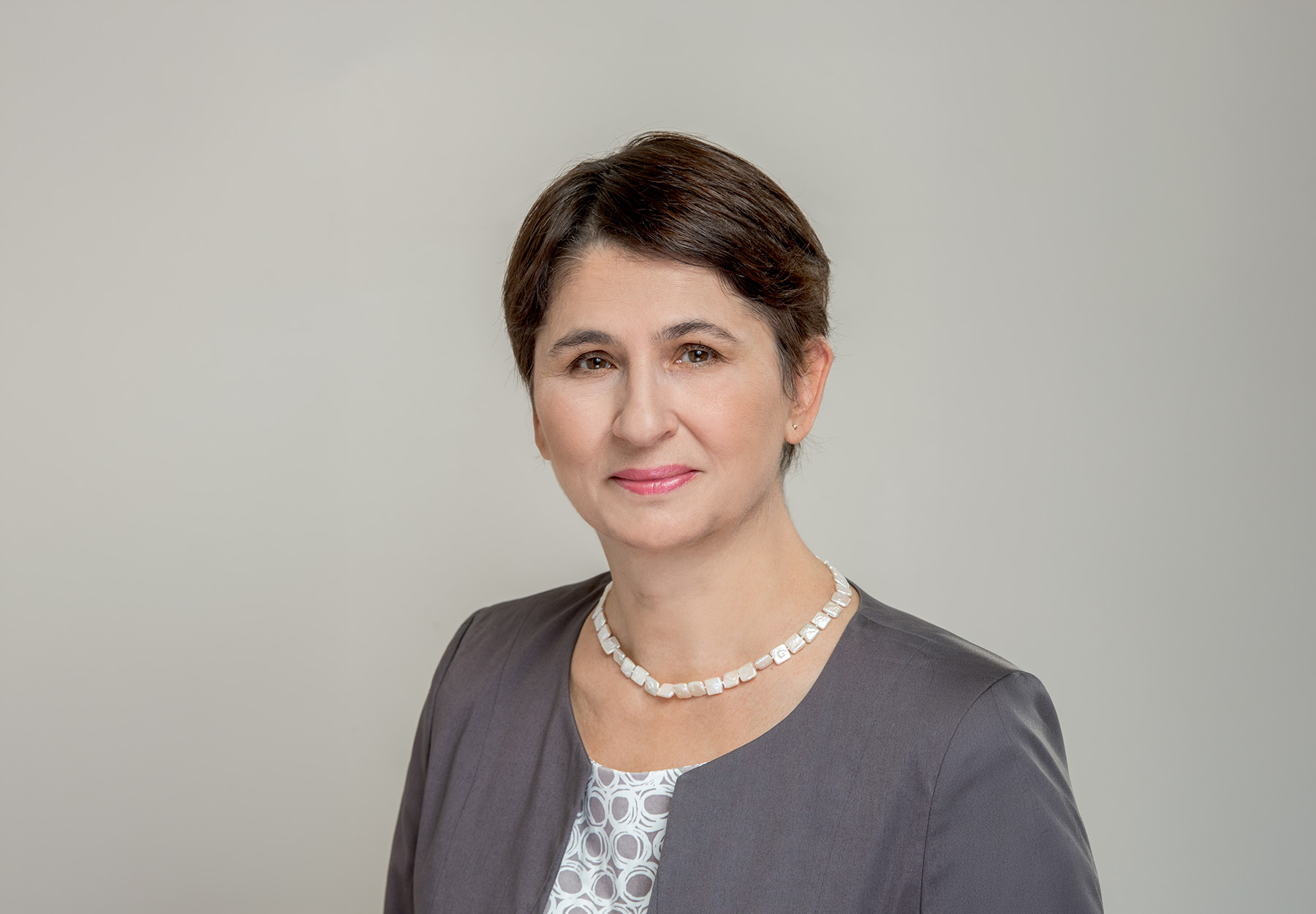
If you have any questions, please contact Lilla Vicsek, Programme Director (lilla.vicsek@uni-corvinus.hu).
Curious about the student experience? Feel free to reach out to our current PhD student, Vanda Pózner (vanda.pozner@stud.uni-corvinus.hu), for first-hand insights.
The general rules of the admission procedure are set out in Sections 21–22 of the University Doctoral Regulations (EDSZ), which can be accessed by clicking here.
The list of required documents is available by clicking here!
General Admission Information
The Admission Committee bases its decision on three main pillars:
| Criterion | Score |
| Prior Achievements (including the test) | 20 points |
| Research Plan | 40 points |
| Oral Interview | 40 points |
| Total | 100 points |
Sign up for our newsletter to receive first-hand updates on the admission process, key deadlines, and the latest news regarding our doctoral programmes.
Boróka Pápay (2020): THE PURPOSE AND TYPES OF ORGANIZATIONAL GOSSIP
Nóra Teller (2020): Trapped in One’s Own Housing. The Limitations of Housing Choices in Segregated Neighborhoods
Márta Radó (2019): Tracking the effects of life events on subjective well-being
Mounia Utzeri (2018) A chance or a trap? Understanding gender equality schemes in management.
Ildikó Dén-Nagy (2018): Problem solver or private life killer? Mobile Telephony and Work-life Balance in Hungary.
Bálint Néray (2017): Relational Integration as The Analysis of Friendship, Negative Ties and Ethnic Identity Among Adolescents
Nikolett Geszler (2016): Work-Family Conflict of Hungarian Manager Fathers
Dorottya Kisfalusi (2016): Interethnic Relations among Roma and Non-Roma Students in Hungary
Judit Pál (2016): Status and Negative Ties: A Longitudinal Network Study among Adolescents
Julianna Faludi (2016): Innovation Patterns In the Design-Driven Industries: Opening Up The Made In Italy. Doktori (PhD) értekezand, Budapesti Corvinus Egyetem, Szociológia Doktori Iskola.
Hanna Kónya (2013): The emergence of a transnational elite. A methodological approach for the definition and identification of the Csángó elite…
Eszter Bakonyi (2012): To trust or not to trust. Trust Towards Democratic Institutions in Central and Eastern Europe after the Regime Change in 1989-1990 – with a Special Focus on Hungary
Attila Gulyás (2012): A friendly offer – fairness and social embeddedness
2022
Zsanna Nyírő (2022): THE EFFECT OF EDUCATIONAL UPWARD MOBILITY ON HABITUS
Veronika Paksi (2022): PHD AND CHILDBEARING? WORK-LIFE BALANCE OF FEMALE PHD STUDENTS IN THE FIELD OF ENGINEERING
Kitti Kutrovátz (2021): INTENSIVE PARENTING PERSPECTIVES ON PARENTAL TIME AND MEDIATION OF TECHNOLOGY USE
2021
Boglárka Herke (2021): WELFARE DESERVINGNESS PERCEPTIONS OF SINGLE MOTHERS IN HUNGARY: INSTITUTIONAL DESIGN, GOVERNMENT DISCOURSE, AND PUBLIC ATTITUDES
Zsófia Bauer (2021): NARRATED EXPERIENCES OF MEDICALLY ASSISTED REPRODUCTION IN HUNGARY
Gergely Horzsa (2021): RURAL DEVELOPMENT AND MIGRATION – EFFECTS OF RURAL DEVELOPMENT PROJECTS ON INTERNAL MIGRATION AND MIGRATION ASPIRATIONS OF RURAL DWELLERS IN HUNGARY
Ákos Bocskor (2021): INFORMAL STATUS AMONG HUNGARIAN EARLY ADOLESCENTS. POPULARITY, COOLNESS, AND ACCEPTANCE FROM A MIXED METHODS PERSPECTIVE
Bence Kováts (2021): BECOMING (IN)DEPENDENT. TRENDS AND DETERMINANTS OF PARENTAL SUPPORT IN HOUSING ACCESS IN HUNGARY
Bajusz, Orsolya (2023) When Activism, Tactical Media, Visual And Participatory Media Involve High Stakes: Investigating The Visual And Participatory Aspects Of Science Communication.
Duráczky, Bálint (2023) Predikciós-modellalkotás a hallgatói lemorzsolódás korai azonosítása érdekében a felsőoktatási intézményekben elérhető adatok alapján.
Hajdu, Csongor (2023) Worried While Prospering – A study of the contradictions between consumer confidence and spending in Hungary.
Hajdu, Miklós (2023) Corruption risks of Hungarian municipalities: Quantitative and Qualitative Analyses.
Ilyés, Virág (2023) Social Networks and Individual Labor Market Outcomes – Evidence from Linked Employer-Employee Panel Data.
Miskolczi, Péter (2023) Captivating the Audience — What Impact Does an Introductory Sociology Course Make on Students?
Oborni, Katalin (2023) The Gender Perspective of Constructing Managerial Career — The Gender Regime of a Large Financial Organization in Hungary.
Samu, Flóra (2023) Reputation and cooperation in social dilemma games.
Solano Cahuana, Iris Laudith (2023) Gender equality in academic governance: Organizational approaches and collective attitudes.
Bauer, Zsófia (2022) Narrated Experiences of Medically Assisted Reproduction in Hungary – Infertility from a Multimethod Perspective.
Hámori, Ádám (2022) Well-being and Christianity – Relationship between Contemporary European Religiosity and Subjective Well-Being.
Herke, Boglárka Luca (2022) Welfare Deservingness Perceptions of Single Mothers in Hungary: Institutional Design, Government Discourse, and Public Attitudes.
Kollányi, Bence (2022) The automatization of social media communication – Exploring the development of bot codes on GitHub and the use of open-source bots on Twitter.
Kutrovátz, Kitti (2022) Intensive parenting – Perspectives on Parental Time and Mediation of Technology Use. DOI https://doi.org/10.14267/phd.2022043
Nyírő, Zsanna (2022) The effect of educational upward mobility on habitus – The Subjective Experience of Mobility among First-in Family Graduates in Hungary.
Paksi, Veronika Magdolna (2022) PHD and Childbearing? – Work-life Balance of Female PHD Students in the Field of Engineering.
Pap, Viktória (2022) A Sziget Fesztivál mint hely értelmezése.
Boróka Pápay (2020): THE PURPOSE AND TYPES OF ORGANIZATIONAL GOSSIP
Nóra Teller (2020): Trapped in One’s Own Housing. The Limitations of Housing Choices in Segregated Neighborhoods
Márta Radó (2019): Tracking the effects of life events on subjective well-being
Mounia Utzeri (2018) A chance or a trap? Understanding gender equality schemes in management.
Ildikó Dén-Nagy (2018): Problem solver or private life killer? Mobile Telephony and Work-life Balance in Hungary.
Bálint Néray (2017): Relational Integration as The Analysis of Friendship, Negative Ties and Ethnic Identity Among Adolescents
Nikolett Geszler (2016): Work-Family Conflict of Hungarian Manager Fathers
Dorottya Kisfalusi (2016): Interethnic Relations among Roma and Non-Roma Students in Hungary
Judit Pál (2016): Status and Negative Ties: A Longitudinal Network Study among Adolescents
Julianna Faludi (2016): Innovation Patterns In the Design-Driven Industries: Opening Up The Made In Italy. Doktori (PhD) értekezand, Budapesti Corvinus Egyetem, Szociológia Doktori Iskola.
Hanna Kónya (2013): The emergence of a transnational elite. A methodological approach for the definition and identification of the Csángó elite…
Eszter Bakonyi (2012): To trust or not to trust. Trust Towards Democratic Institutions in Central and Eastern Europe after the Regime Change in 1989-1990 – with a Special Focus on Hungary
Attila Gulyás (2012): A friendly offer – fairness and social embeddedness
2021
Gergely Horzsa (2021): RURAL DEVELOPMENT AND MIGRATION – EFFECTS OF RURAL DEVELOPMENT PROJECTS ON INTERNAL MIGRATION AND MIGRATION ASPIRATIONS OF RURAL DWELLERS IN HUNGARY
Ákos Bocskor (2021): INFORMAL STATUS AMONG HUNGARIAN EARLY ADOLESCENTS. POPULARITY, COOLNESS, AND ACCEPTANCE FROM A MIXED METHODS PERSPECTIVE
Bence Kováts (2021): BECOMING (IN)DEPENDENT. TRENDS AND DETERMINANTS OF PARENTAL SUPPORT IN HOUSING ACCESS IN HUNGARY
For any inquiries, please feel free to reach out to us:
Email: soc.comm.phd@uni-corvinus.hu
Please make an appointment by email before a personal consultation!