What Did the Corvinus MBA Team Learn in Glasgow?
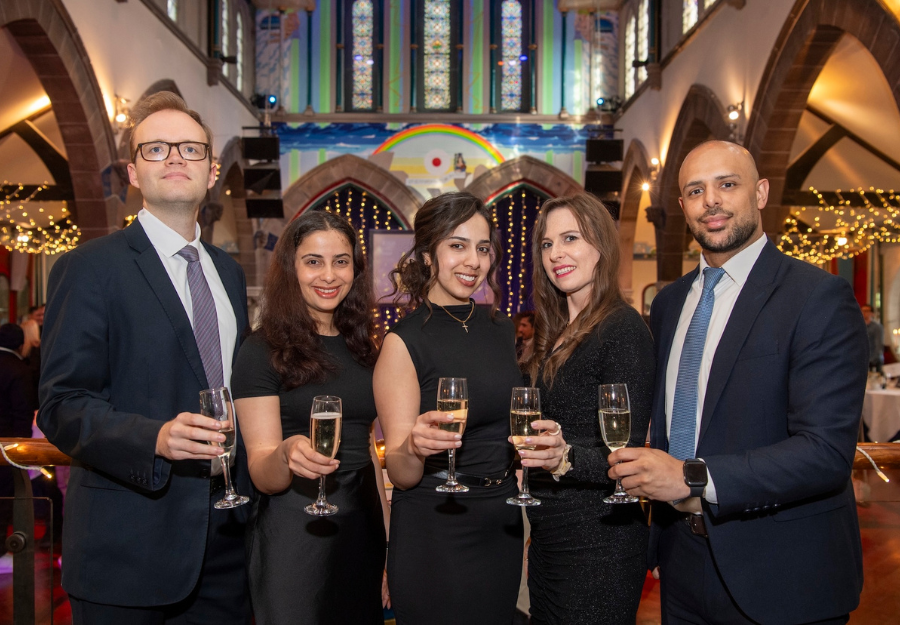
The Corvinus MBA team’s experience at the Adam Smith Business School International Case Competition demonstrated just how valuable these opportunities can be for both professional and personal development.
Looking Back at the Adam Smith Business School International Case Competition
The Corvinus MBA team achieved fourth place overall and second place in its category at the international MBA case competition held in Glasgow. While this result was an important recognition of the team’s preparation, the greatest value of the competition lay in the experience gained throughout the journey.
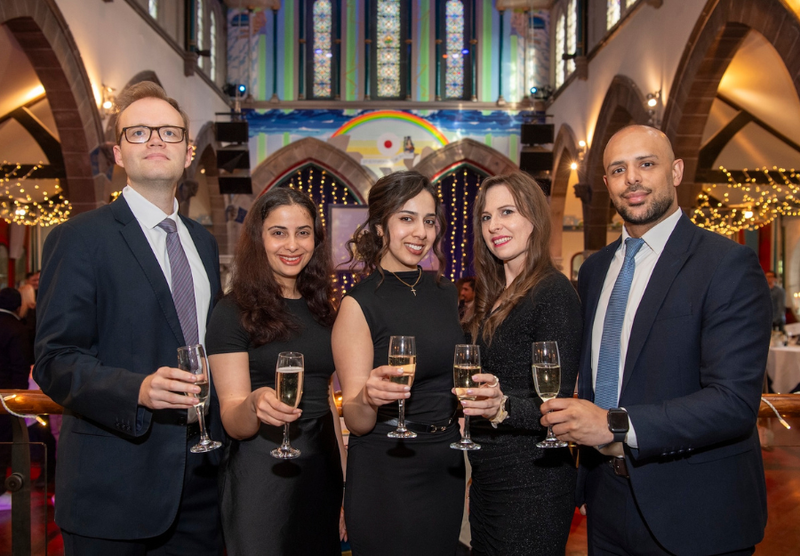
Team Leader: Dániel Kostyal
Team Members: Daniela Gomes, Tala Salman, Daniela Tóth, Elias Baba
Over three months of preparation and one intensive week of competition, the team worked on a variety of complex business challenges under demanding time constraints. The experience required not only strong analytical skills but also adaptability, effective decision-making, and close collaboration.
Preparing for the Competition
Preparation for an international case competition begins long before the event itself. Throughout the preparation process at Corvinus, the team practiced a range of competition formats. From twelve-hour comprehensive case studies to intensive three-hour challenges, each format required a different approach and emphasized different skills.
The longer cases demanded structured thinking, continuous reassessment of available information, and careful prioritization. Participants had to maintain the quality and consistency of their analysis over extended periods while refining recommendations as new insights emerged.
The shorter formats required a different mindset. With limited time available, success depended on quickly identifying the key issues, focusing on the most relevant information, and communicating recommendations clearly and concisely.
The shortest competition format allowed only two presentation slides, five minutes for the presentation, and ten minutes for questions from the judging panel. This limitation highlighted an important lesson: the strength of a business recommendation lies not in its complexity but in the clarity of its reasoning. If an idea cannot be explained simply and convincingly, it usually requires further refinement.
Throughout the preparation process, the Corvinus faculty played an important role by providing continuous professional feedback. Their guidance encouraged the team to challenge assumptions, strengthen the logic behind their recommendations, and communicate their ideas with greater precision. Over time, this approach became an integral part of the team’s way of thinking.
The Competition
By the time the team arrived in Glasgow, they had already established a shared way of working that proved to be one of their greatest strengths throughout the competition. The event consisted of three business case challenges, each designed to assess different competencies.
The first case was a short-format challenge completed under strict time and presentation constraints. It tested the team’s ability to analyze information quickly, communicate clearly, and remain composed under pressure. The second case provided more preparation time, placing greater emphasis on developing a well-structured argument supported by sound analysis and defending recommendations during the judges’ question-and-answer session. The final challenge, which lasted twelve hours, most closely resembled a real business consulting project. Participants were required to analyze complex information, develop comprehensive strategic recommendations, and present them in a clear and convincing manner within a demanding timeframe.
The Importance of Teamwork
One of the competition’s most valuable lessons was the importance of effective collaboration. Each team member brought a different professional background and a unique set of strengths, which complemented one another throughout the preparation and the competition.
Daniela Tóth contributed strategic insight by transforming complex business challenges into practical growth opportunities and actionable recommendations.
Tala Salman focused on identifying business opportunities, refining strategic concepts, and translating research into practical solutions.
Daniela Gomes ensured that the team’s recommendations were supported by rigorous technical analysis, data-driven insights, and sound research.
Elias Baba transformed complex analyses into compelling presentations that clearly communicated the team’s recommendations to the judging panel.
The experience reinforced an important principle: successful outcomes depend less on individual performance than on the team’s ability to work together effectively. Achieving this required openness to feedback, mutual trust, and a willingness to adapt. The collaborative approach developed during the preparation period proved highly effective throughout the competition.
Evaluation Criteria
Each judging panel approached the cases from a slightly different perspective. Some placed greater emphasis on communication and presentation skills, while others focused more heavily on analytical depth or strategic thinking.
The team adapted to these differences while maintaining a consistent professional standard. Their objective was not simply to perform well in the competition but to develop recommendations that would also be credible and practical in a real business environment.
The competition also reinforced the importance of balancing strong analysis with effective communication. Even the most sophisticated recommendations only create value when they are presented in a clear, structured, and persuasive manner. The analytical mindset developed through the Corvinus MBA programme provided a solid foundation for approaching complex business problems and responding confidently to challenging questions from the judging panel.
Key Takeaways
The most significant outcome of the Glasgow competition was not the final ranking itself, but the professional growth achieved throughout the preparation and the event. The team strengthened its ability to solve complex problems, make decisions under pressure, collaborate effectively, and communicate strategic recommendations with confidence.
Throughout the process, Team Leader Dániel Kostyal played a key role in maintaining focus, coordinating the team’s work, and ensuring that everyone worked toward a common objective. The continuous support of the Corvinus faculty was equally important. Their feedback and guidance throughout the preparation period made a significant contribution to the team’s development and overall performance.
International case competitions closely reflect the realities of today’s business environment. Participants are required to analyze complex challenges, make informed decisions within limited time, and defend their recommendations before experienced professionals.
For the Corvinus MBA team, the Glasgow competition represented far more than a successful result. It provided valuable practical experience and strengthened competencies that will continue to support their professional careers long after the competition itself.