Two Years of Professional Focus, a Career‑Long Perspective
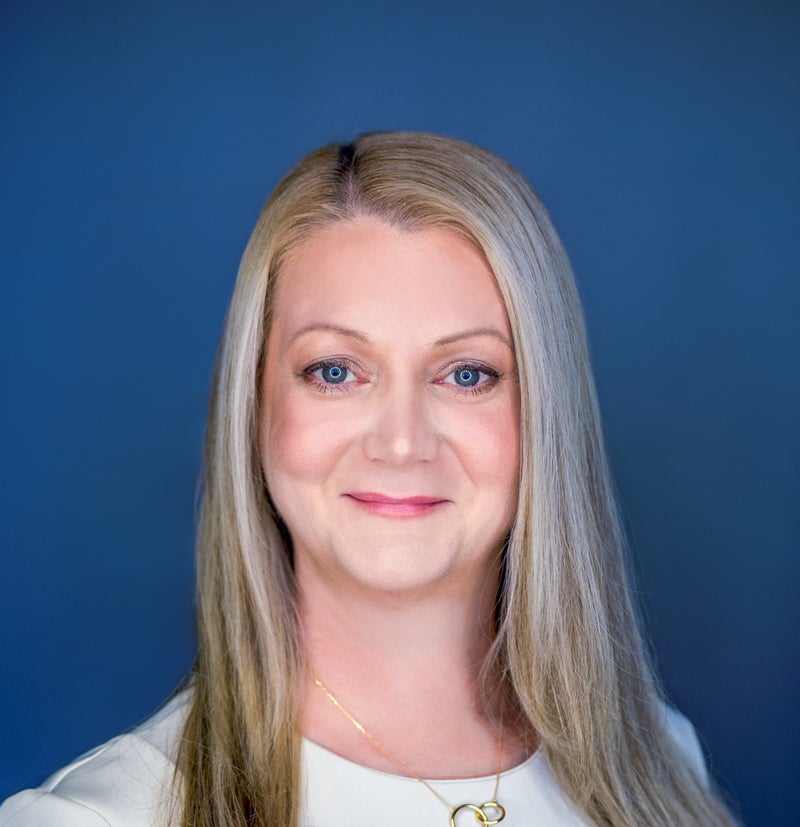
You currently work as Head of HR Solutions at the MOL Group. What professional background did you bring into this role?
I spent most of my career in an international corporate environment, partly in consulting and partly in HR. I worked for multinational companies such as Accenture, BP, and HARMAN International. In my current role at the MOL Group, I lead an organization responsible for HR support for more than thirty Hungarian and Slovak companies, with approximately 120 colleagues in total. MOL is a large corporation with strong domestic roots and significant international growth ambitions. I believe that my experience gained in multinational environments allows me to contribute meaningfully to the development of operational processes, particularly in the areas of efficiency and modern HR solutions.
What motivated you to enroll in the Corvinus Executive MBA program?
For some time, I had been following the Executive MBA programs available across Europe, and I previously considered programs in London and Barcelona. Ultimately, it was my direct manager who drew my attention to the Corvinus Executive MBA and to the fact that the program offers a joint degree with Maastricht University.
I applied and, together with three male colleagues, was given the opportunity to participate in the program with MOL’s financial support. My primary objective was to broaden my professional knowledge. I do not see my future exclusively in an HR career; in the longer term, I would like to move toward a senior executive role, and the EMBA program provides an excellent foundation for this.
You are nearing the end of your first year. What do you see as the key strengths of the program so far?
One of the greatest strengths of the program is its highly practical approach. The curriculum is built around real, lived case studies, which we analyze and discuss together, examining the context and consequences of business decisions.
Teamwork also plays a particularly important role. In addition to individual assignments, we work extensively in groups, which I find especially valuable: often, we learn just as much from one another’s professional dilemmas, experiences, and solutions as we do from the instructors.
You lead an organization of 120 people. How can such an intensive program be integrated into a leader’s everyday life?
Honestly, not easily. This was discussed in detail with the program director even before I applied. The studies require at least one full weekend per month, and between the teaching blocks, individual and group project work takes up almost all of my free time during weekdays.
Even so, I am not complaining. It was a conscious decision on my part. I knew that, for the next two years—slightly exaggerated—the program would manage my calendar. At the same time, I am convinced that this is a serious investment in my own future, and that the time and energy devoted to it will pay off in the long run.
You are now halfway through the program. How has it shaped your thinking about leadership so far?
I clearly experience a shift in mindset. I started applying the learned methods very quickly in my daily work, and today I approach many situations in a more complex and structured way than before.
During the program, I regularly share particularly interesting case studies and tools with my team as well. I consider it important that learning does not remain at an individual level, but also becomes tangibly embedded in the way the organization operates.