“It’s such a privilege to be part of it” – Interview on Navigator’s Mentorship Programme
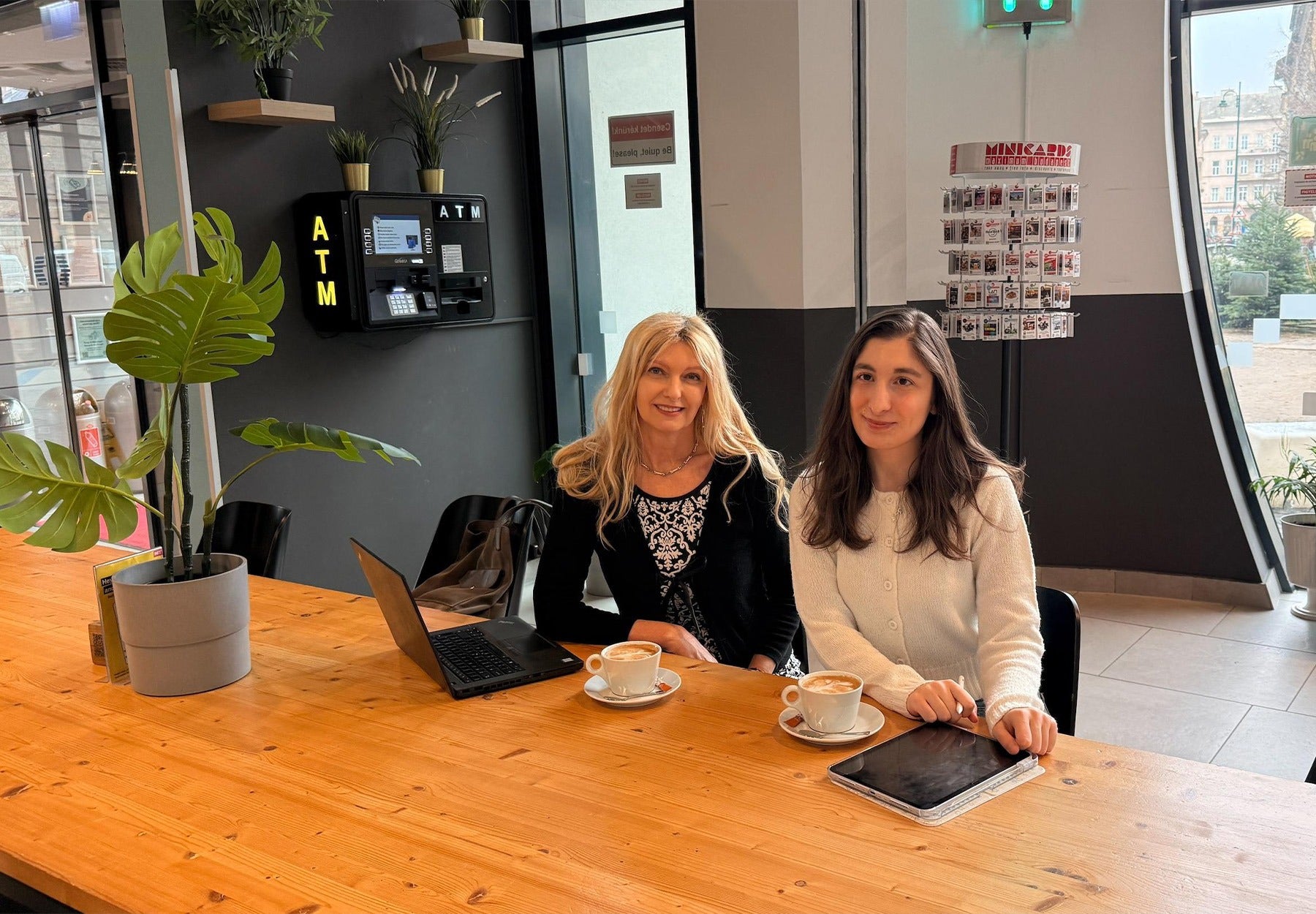
The Navigator Mentorship Programme offers students the chance to receive personalized guidance while mentors gain insight into their students’ perspectives.
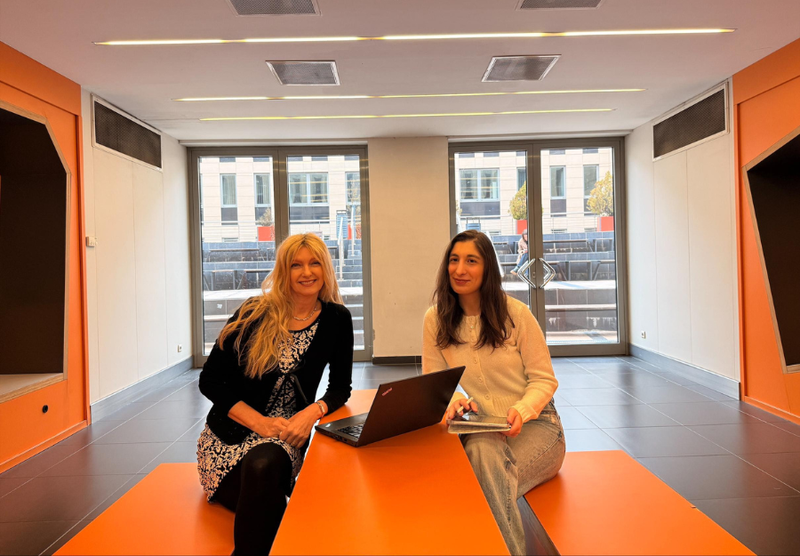
To explore the programme in practice, we spoke with Lívia Szabóné Pintér, senior professor of practice from the Sustainable Development Institute and her mentee, Keso Chkhikvadze, a final-year International Relations student. They shared how mentoring supports students’ personal and professional growth and why participating in the programme is such a rewarding experience for both sides.
What does this mentorship programme mean to you?
Lívia (Mentor):
Mentoring helps me understand my students more deeply, see things through their eyes, and get a better sense of how they think. It’s also a great opportunity to pass on the support I’ve received: throughout my career, I’ve been shaped by mentors from around the world. This programme gives me the chance to offer similar guidance.
Keso (Mentee):
For me, being part of the Navigator Programme, I often realise, is a privilege. You don’t often get the chance to have one-on-one conversations with a professor who is so experienced and wise.
How does the programme support you in your final year?
Keso:
This year, I’m juggling working on my thesis, graduation, and planning my next steps. Having a weekly meeting to pause for a minute, reflect, and plan is incredibly helpful. It feels like a checkpoint. I always leave these sessions saying, “yeah, I haven’t thought about this, but it is a great idea!”
What about the tools Navigator offers, like the competency test and life path planner?
Keso:
I wasn’t sure what to expect from the competency test. It includes around 60 statements and provides insights into competencies, strengths, areas for development, and potential career paths. The life path planner helped me gain a clearer understanding of which subjects are worth enrolling in at the university. It was surprising how much the results reflected what I already knew, but they also showed me new opportunities that match my personality and that I hadn’t thought about before.
Lívia:
As a mentor, this is extremely valuable because it helps me identify what we should focus on. At the moment, for example, applying for a master’s program is a priority. My goal is to guide Keso toward a challenging path that aligns with her personality and long-term goals, including the selection of universities or specific programs.
Lívia, is this your first mentoring experience? What did it add to you as a teacher and a person?
Lívia:
Mentoring is a two-way street: you get out as much as you put in. For me, it comes naturally, maybe because I’m a mother of two, though this is a professional setting. I’ve learnt a lot by seeing Keso navigating opportunities and overcoming real or just perceived hurdles. It is inspiring.
What would you say to those considering joining the programme?
Keso:
University life is busy, and it’s easy to overlook opportunities. My advice is to take a moment to read the posters, attend events, and make the first move, like booking your first mentorship session.
Lívia:
To me, what is truly valuable in this program is that different generations of brainstorm together, bounce ideas for common goals. I believe that this program also helps me to relate to all my students as well. I think this is essential for all people in education as long as we remain authentic and true to ourselves.
Feeling uncertain about your next steps? You’re not alone, explore Navigator and apply for the mentorship programme to get guidance on your journey.