New European longevity and aging research program could launch with Corvinus participation
More than 100 international institutes have issued a joint call warning the European Union that the continent is ageing rapidly, while current health strategies focus only on treating diseases after they occur, rather than addressing the root of the problem. A newly published paper in one of the world’s leading scientific journals urges the immediate launch of a comprehensive European “Longevity” programme aimed at promoting long and healthy lives.
Europe’s population is ageing at an unprecedented pace, placing an ever-increasing and, in many cases, unsustainable burden on healthcare, social and economic systems. Although the European Union spends billions of euros on research into individual diseases such as cancer, cardiovascular conditions and neurodegenerative disorders, scientists argue that this is no longer enough. The common root of these diseases is biological ageing itself.
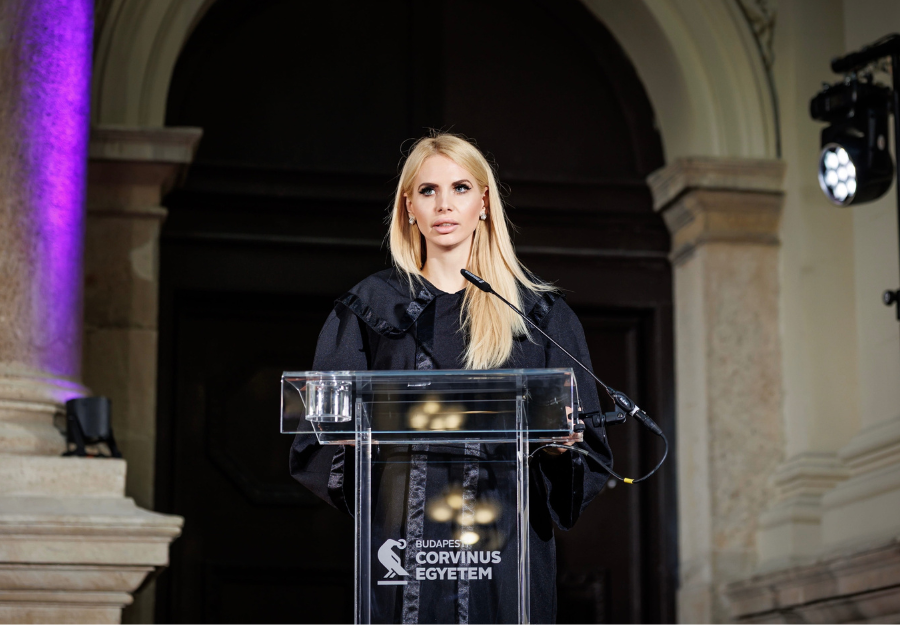
The publication, which brings together more than 100 institutes and has now appeared in the leading international journal Mechanisms of Ageing and Development, highlights the need for a paradigm shift in the EU: instead of treating diseases one by one, efforts should focus on slowing the ageing process itself. The only Hungarian participant in this international collaboration was Dr Dóra Horváth, Assistant Professor at Corvinus University of Budapest and Co-President of the Hungarian Longevity Foundation, who contributed to the development of the concept.
“Europe must prepare for ageing societies not through isolated initiatives, but through a coordinated, strategic programme. Supporting healthy ageing is not only a healthcare issue, but also an economic, social and institutional one. This is particularly important because healthcare systems in many cases remain primarily disease-focused, while greater emphasis should be placed on prevention and extending the number of years lived in good health. The goal is not simply to increase the number of years lived, but to extend the years spent in health, activity and independence,” said Dr. Dóra Horváth.
What would the new European Longevity Programme propose?
According to the authors, extending life expectancy only brings genuine social benefit if it is accompanied by an increase in the number of years lived in health, activity and independence. To achieve this, the proposed European programme would focus on the following five key areas:
1. Research and innovation in healthy longevity
There is a need to support interdisciplinary research that examines the biological mechanisms of ageing and uses this knowledge to develop preventive, diagnostic and therapeutic solutions. The programme would aim to connect biogerontology, clinical medicine, digital health and public health.
2. Data, standards, regulation and health technology assessment
Common European standards, data-sharing systems, biomarkers and evaluation criteria are needed to ensure that interventions aimed at healthy ageing can be integrated into healthcare systems in a scientifically grounded and safe manner.
3. Ecosystem development and market uptake
The programme would connect academic research institutions, healthcare providers, industry stakeholders, policymakers and investors. This would help ensure that innovations do not remain confined to laboratories, but become real, scalable solutions.
4. Social, economic and policy impact
Extending healthy lifespan affects the labour market, pension systems, healthcare expenditure and the quality of life of older people. In addition to scientific research, the programme would therefore also focus on analysing social and economic impacts and supporting evidence-based policymaking.
5. Education, skills development and public dialogue
Healthy ageing requires new expertise, interdisciplinary training, professional leadership development and broader public dialogue. Reducing misconceptions and disseminating scientifically grounded information are also important objectives.
The authors of the call emphasise that launching a new European framework programme, establishing joint research funding schemes and building knowledge networks represent Europe’s only chance to preserve its global leadership in the health industry and innovation, while ensuring a sustainable future for its ageing societies.