CoCoCo 2026 brings communication, research, and innovation into dialogue at Corvinus
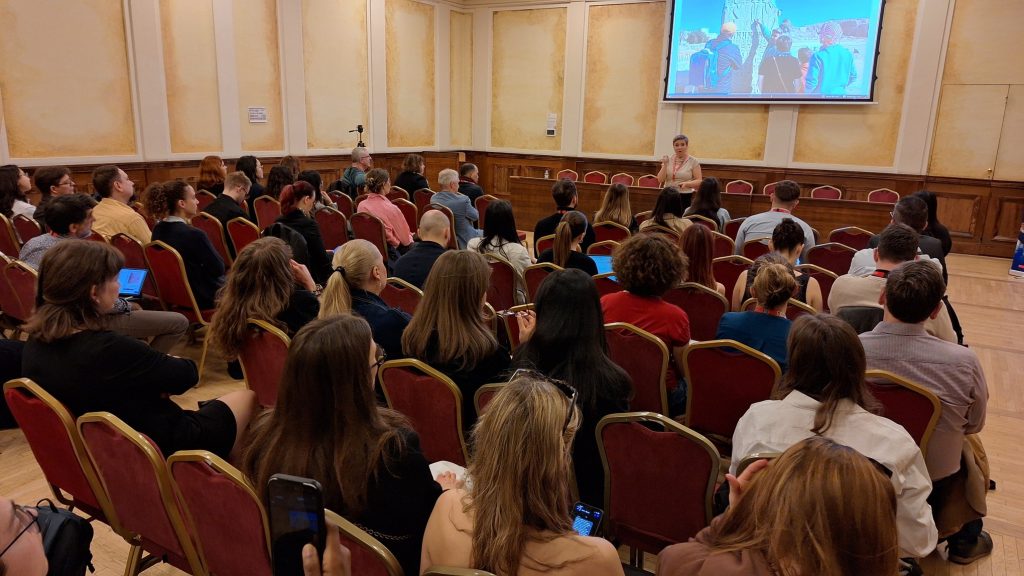
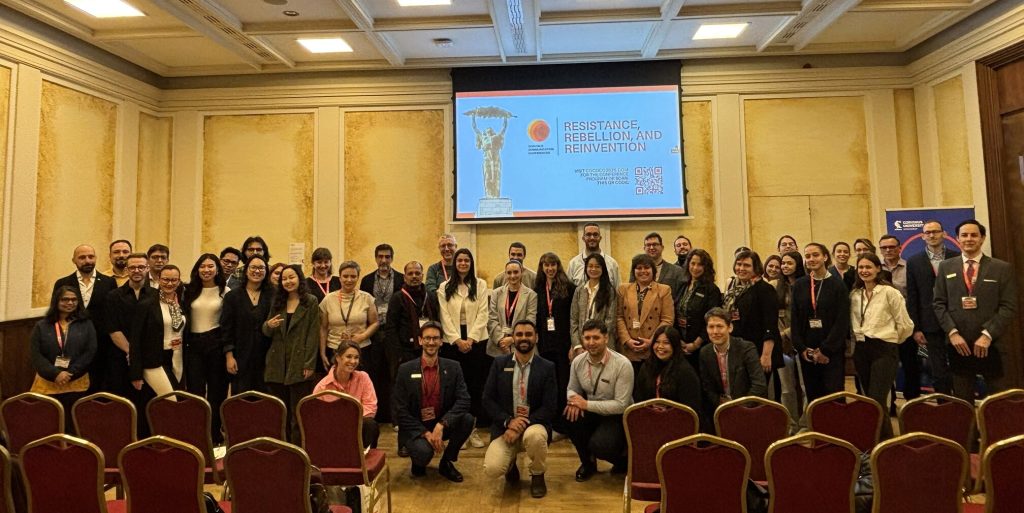
The Corvinus Communication Conferences (CoCoCo 2026) refused to stay within the usual academic script. Under the theme Resistance, Rebellion, and Reinvention, the conference brought together around 150 participants across in-person and online formats — researchers, journalists, industry practitioners, activists, session chairs, students, audience members, and volunteers — in a collective space designed for presenting knowledge, but also for questioning, disrupting, and reinventing it.
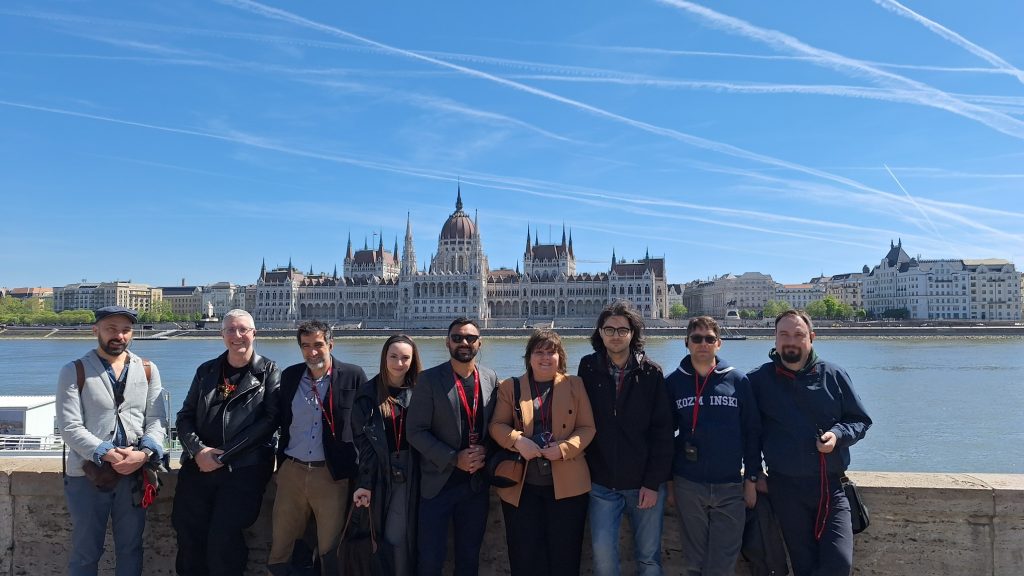
Held at Corvinus University of Budapest on 24 April 2026, with a pre-conference event on 23 April and a community walking tour on 25 April, CoCoCo 2026 marked an important step in the development of the event. What began as a smaller, department-oriented graduate conference has grown into a broader international forum that welcomes participants from different countries, disciplines, and professional contexts.
This year’s edition was organized in a hybrid format for the first time, creating opportunities for exchange across personal on-site and digital online spaces and enabling wider participation in the discussions. The conference focused on the ways communication shapes responses to social, political, cultural, and technological change, with particular attention to how individuals, institutions, and publics engage with changing power structures.
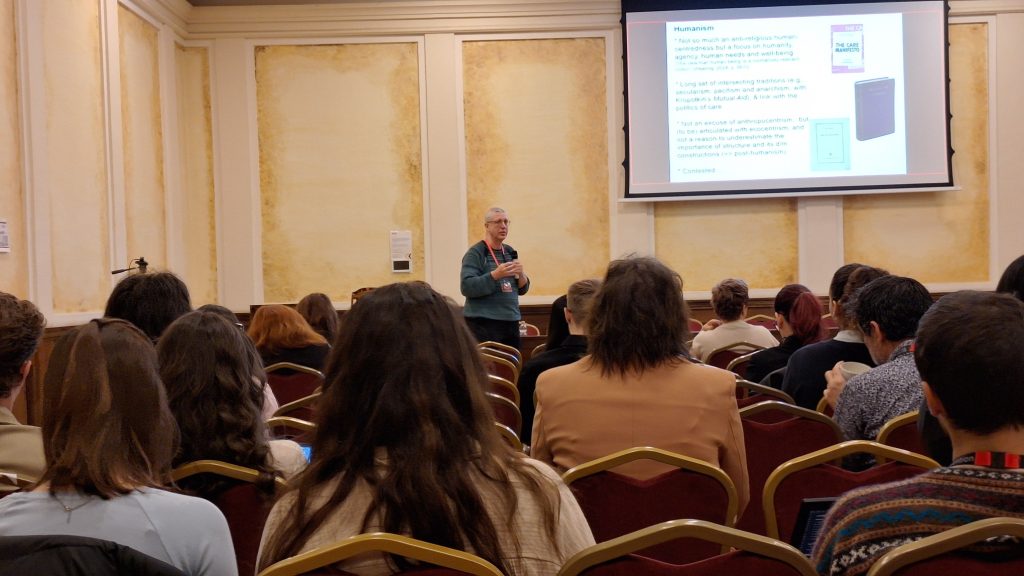
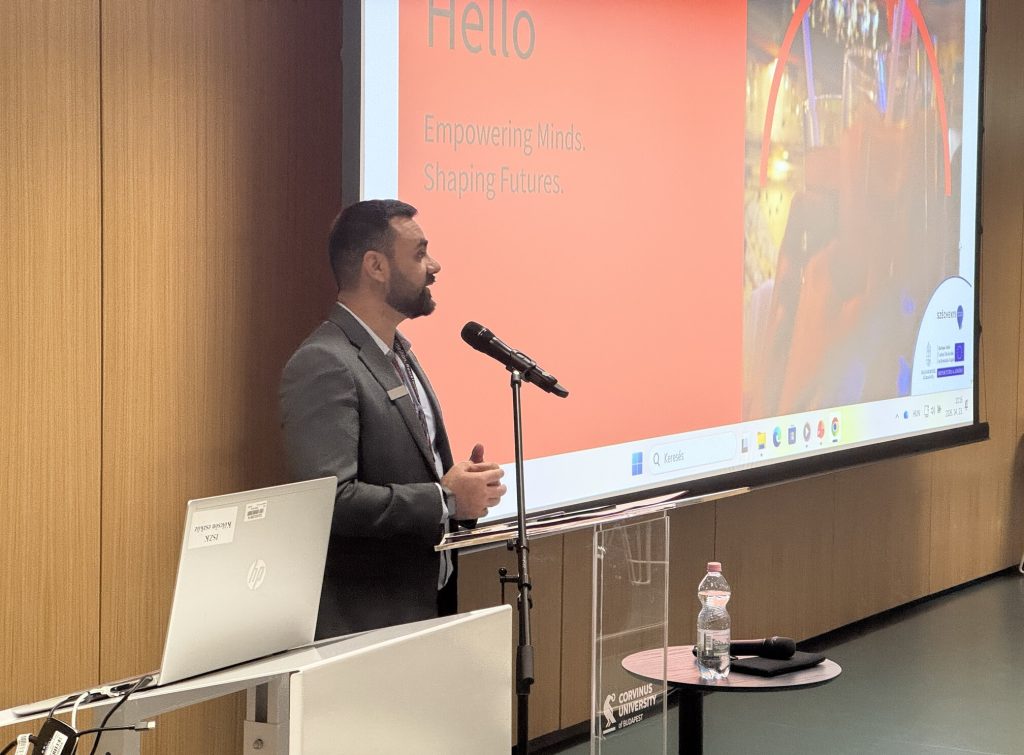
The program reflected both the thematic ambition and the expanded scale of the conference. It included 40+ in-person presentations and 20+ online-only presentations, alongside two keynote talks, multiple parallel panels, special sessions, and roundtable discussions. The keynote speakers — Nico Carpentier of Charles University and Erika Darics of the University of Groningen — opened the day with thought-provoking reflections on resistance, ethics, discourse, awareness, and activism.
Carpentier’s keynote examined mediated interventions that resist dehumanisation and disempowerment, while Darics focused on Critical Language Awareness as a civic competence that can move people from awareness to agency and activism. The talks set the tone for a conference concerned with the social role of communication in moments of tension, inequality, and transformation.
Across the day, participants engaged with a wide range of topics through in-person and online sessions organized around several thematic strands. These included digital platforms and user practices, journalism and ethics, meaning and discourse, resistance and counter-narratives, participation and mobilization, climate and sustainability communication, institutional communication, political visibility, and everyday forms of protest.
The scope of the program illustrated the breadth of contemporary communication research, bringing together work on subjects such as populism, crisis communication, algorithmic power, environmental discourse, activism, media framing, journalism cultures, and digital resistance. In this sense, CoCoCo 2026 showcased current research and demonstrated the transdisciplinary character of communication and media studies.
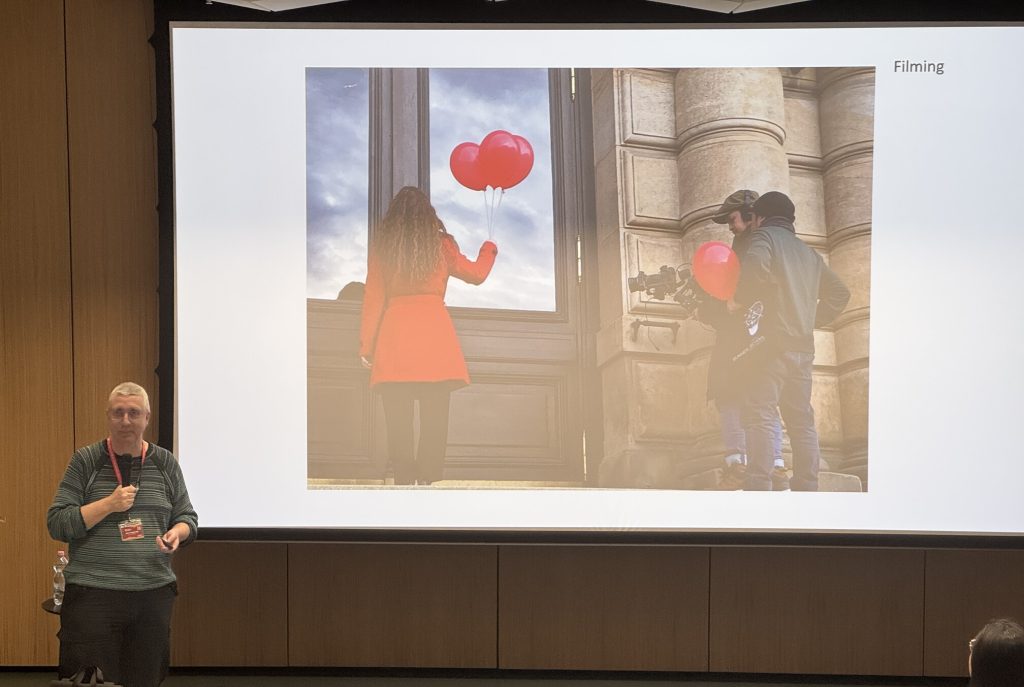
What made this year’s edition especially distinctive was its deliberate effort to go beyond the conventional academic panel format. In addition to regular paper presentations, CoCoCo 2026 featured a series of special sessions that experimented with different modes of knowledge-sharing and public engagement. These included “A Basket Full of Eggs”, a Romani film and music archives project combining a short introductory presentation, a film screening, and debate; a live performance intervention on critical language awareness developed in collaboration with Momentán Társulat; a workshop on narrative coordination in the Romanian pro-democracy movement; and an industry panel with Corvinus alumni, which explored communication’s role in business, innovation, and organizational life.
Moreover, an online special session on clandestine journalism in times of social movements and uprisings extended these discussions into questions of censorship, resistance, and journalism under pressure. These sessions broadened the conference experience and offered participants forms of engagement that were more interactive, applied, and experimental than those usually associated with traditional academic events.
The pre-conference event at the Gellért Campus Auditorium, led by keynote speaker Nico Carpentier, combined a research seminar on Media and Democracy with a screening of the film AGON, connecting scholarly inquiry with audiovisual reflection and public discussion. This wider structure reinforced one of the central strengths of CoCoCo 2026: its attempt to treat the conference not simply as a sequence of presentations, but as a multi-layered environment for encounter, collaboration, and intellectual exchange.
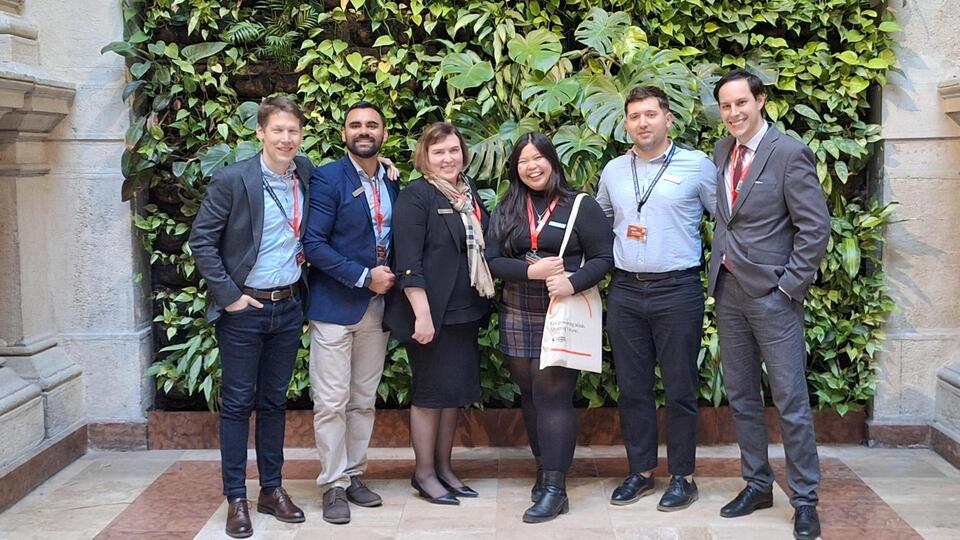
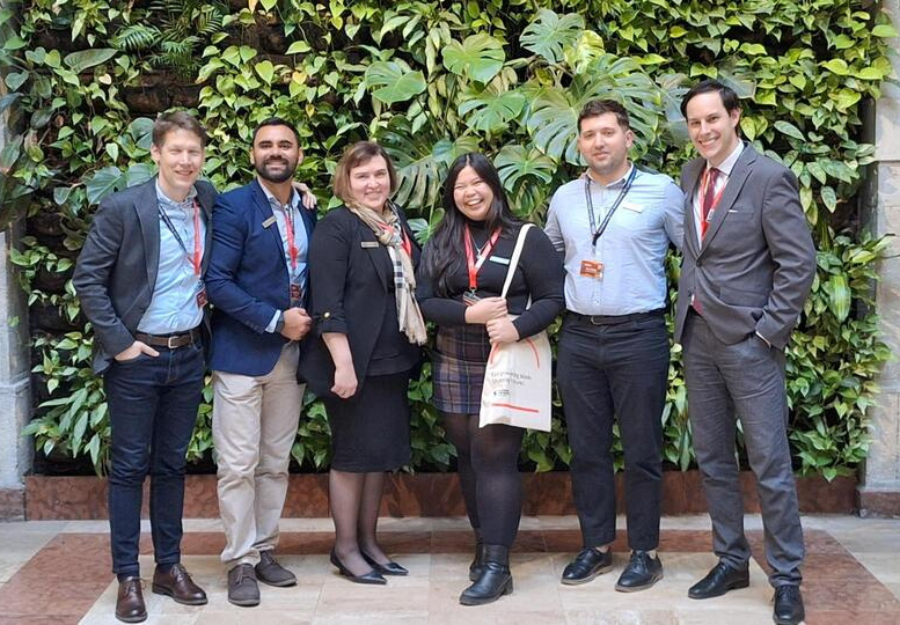
CoCoCo 2026 was co-chaired by Dr. Sabrina K. Pasztor and Dr. Admilson Veloso da Silva, whose leadership was supported by a wider organizing committee (Máté Bence Bollók, Péter Janzsó, Mariel Cunanan, Olivér Varga, and Linda Sefuli), session chairs, keynote speakers, contributors, and student volunteers. The event also benefited from the support of the Institute of Marketing and Communication Sciences and a Workflow Grant from Corvinus University of Budapest.
As emphasized in the conference materials, available here, the work of PhD, MA, and BA student volunteers was essential in the preparation and smooth running of the event. The result was an intellectually rich conference, collaborative in spirit, and ambitious in design. Under the banner of Resistance, Rebellion, and Reinvention, CoCoCo 2026 opened space for critical reflection on communication’s power to document, contest, and reorganize social realities — and, in doing so, offered participants and audiences a glimpse of what a more open, engaged, and inventive academic gathering can look like.