The future of research management is being shaped now
This Horizon Europe project, carried out with the university’s participation, is developing a European-level qualification framework for Research Management to enhance the profession’s recognition and professionalization, and establish interoperability within the European Research Area.
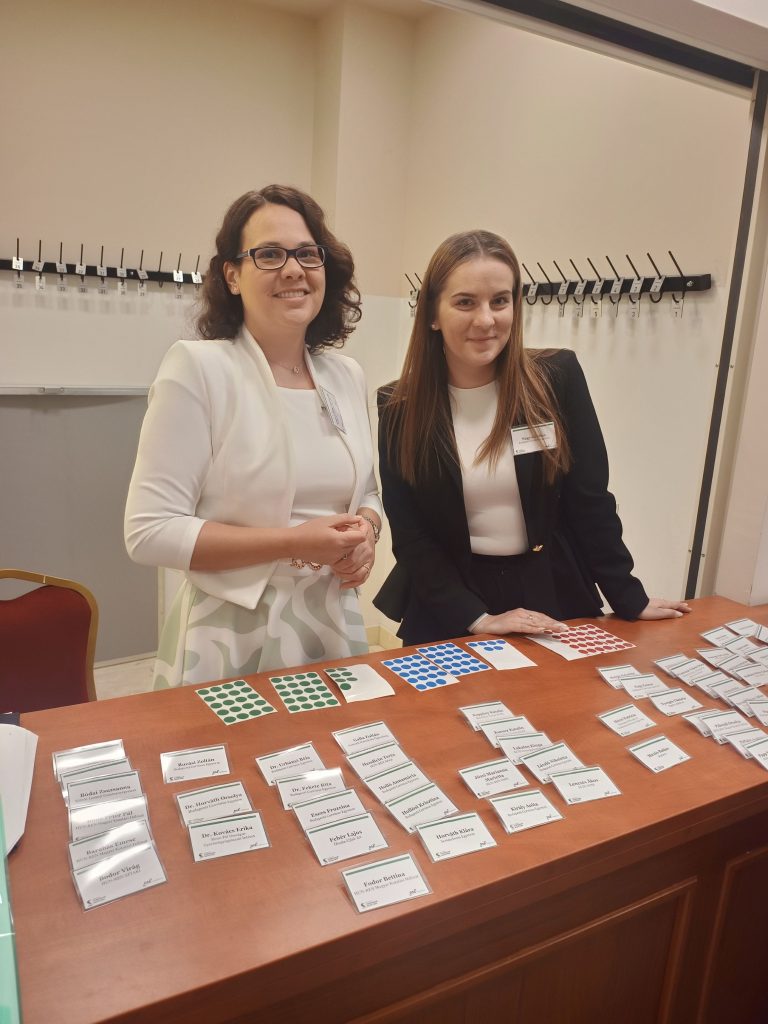
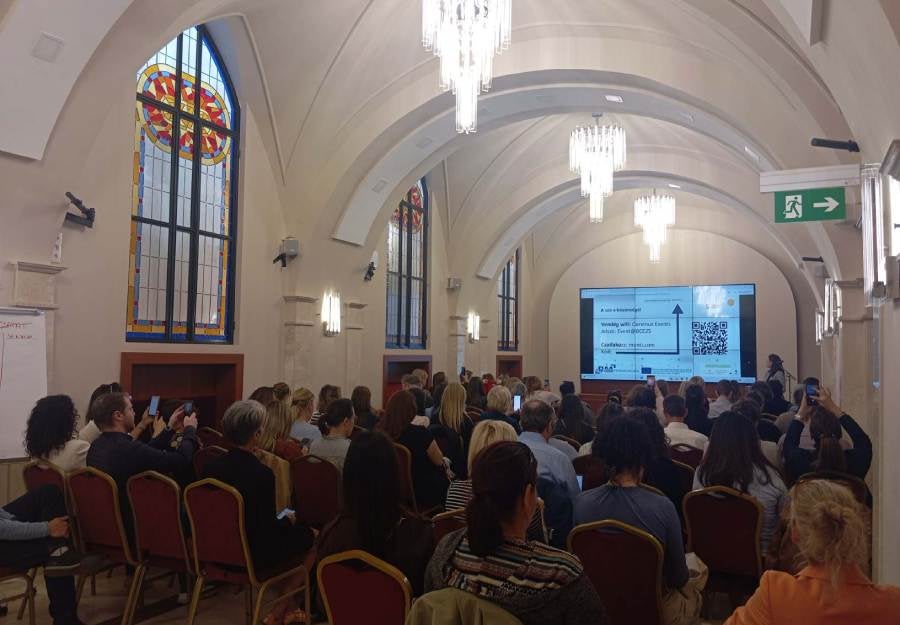
The meeting was held as part of the Corvinus Research Excellence Day 2026, with more than 70 professionals from across the country. Notably, the majority of participants were senior research managers, many with over 10 years of professional experience. This also indicates that the key players in the domestic community are actively shaping the profession’s future.
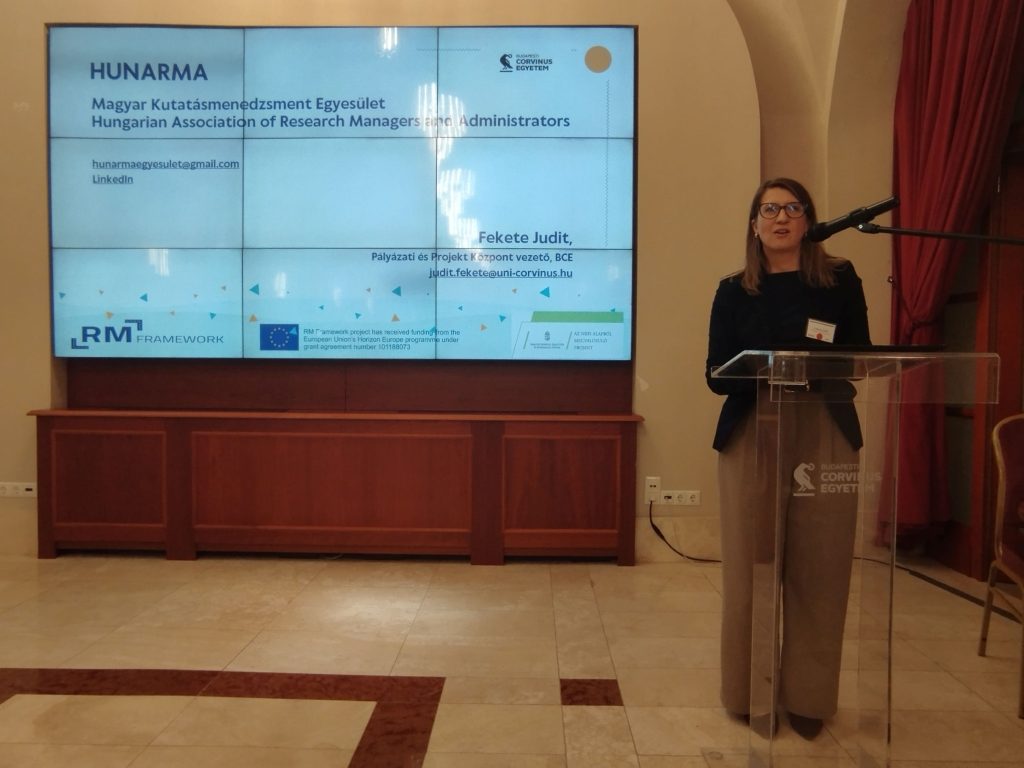
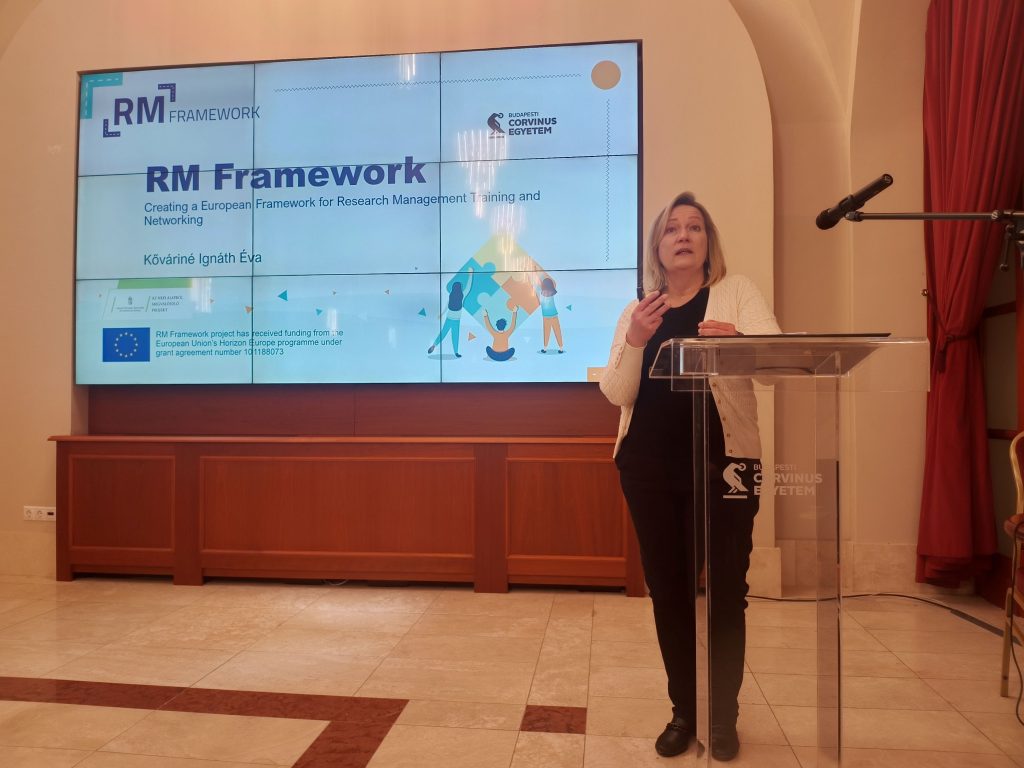
Following an informal networking session, the programme continued with plenary presentations and an interactive workshop. The RM Framework project was presented by Dr. Éva Ignáth Kőváriné, lead researcher of the Corvinus research team, who reported on the project’s first-year results, with particular emphasis on the training handbook supporting the career development of research managers. This was followed by a presentation by Judit Fekete, Head of the Grant and Project Centre, on the current status of the founding of the HUNARMA Association and the organisation’s objectives. The association aims to build a strong domestic professional community and create a bottom-up platform where advocacy, collaboration and knowledge exchange can find a home.
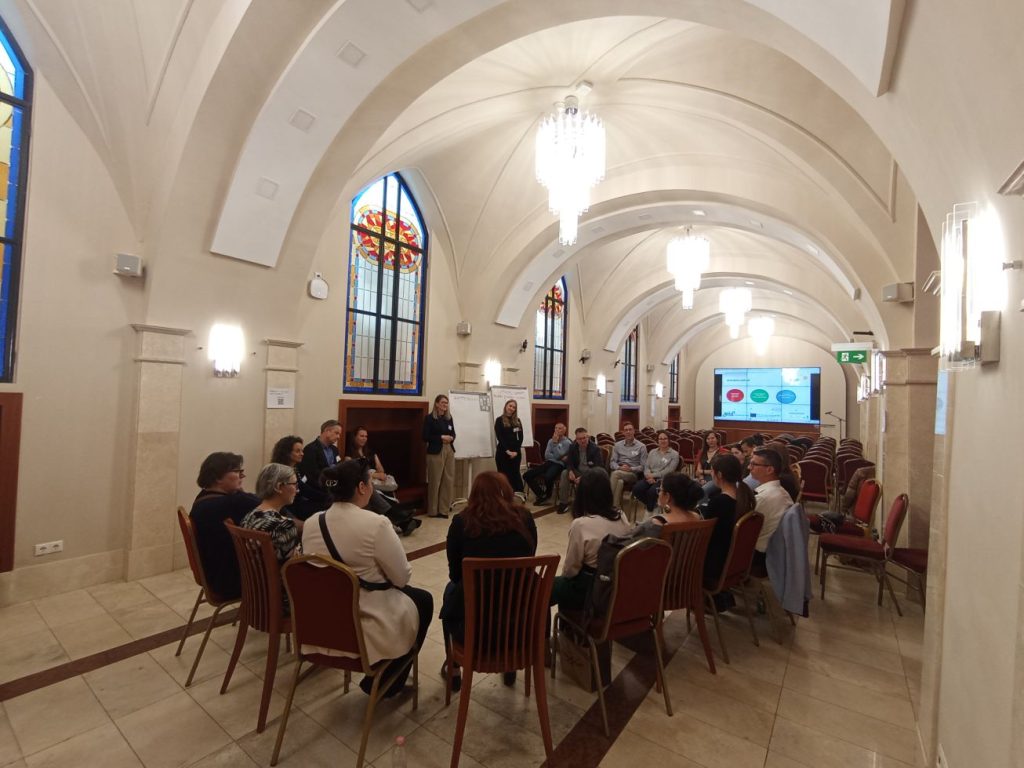
In the second half of the event, participants explored the training needs and professional challenges of Hungarian research managers through interactive group work, thereby providing direct input for Corvinus’s future training development, mobility opportunities for research managers, and longer-term professional advocacy.
The most important messages to emerge from the group work were as follows:
- When identifying the most defining competencies, participants most frequently mentioned transversal skills. For entry-level colleagues, these include a willing attitude, time management, and flexibility; for research managers with a few years of experience, problem-solving, proactivity, and patience; and at the senior level, systems thinking and decisiveness.
- With the emergence of AI, the research management profession also faces a significant transformation. According to participants, while AI is expected to automate many tasks, it will not be able to fully replace professionals who can grasp the complex interrelationships among tasks, processes, and stakeholders, set priorities, and coordinate collaboration among various organizational and disciplinary actors. As a result, soft skills will gain in value, and there will continue to be a need for experts capable of critical thinking, interpreting complex situations, building personal relationships and collaborations, and persuading decision-makers.
- The most difficult professionals to recruit and retain will be those with hybrid profiles who simultaneously possess technological, legal, strategic and relational competencies, enabling them to build bridges between researchers, managers, business actors and AI systems. The indispensable research manager of the next decade will combine strategic vision, strong relationship-building skills and a high level of AI literacy.
- It is therefore no coincidence that, in terms of training needs, AI tools and their ethical use, data protection, digital competencies, project and risk management, and the development of business and financial mindset featured prominently. There is also growing demand for a broader understanding of the entire research ecosystem: from institutional operations through investor logic to international cooperation frameworks.
- Regarding the duration of the training, a varied picture emerged: the range extended from a few days (including online options) to two-semester programmes, depending on the training objective, since it makes a considerable difference whether the programme is foundational and general in nature or targeted and specialist in focus.
- Participants also highlighted several elements that enhance the value and effectiveness of training. These include a modular structure providing flexibility, practice-oriented content and sharing of good practices, the importance of in-person attendance, the possibility of post-training follow-up (as a forum for questions and exchange of experience), the inclusion of a final examination and certificate, and international recognition and validation (as an external benchmark of quality).
- The question of training funding also arose: who cares enough about training, and who sees sufficient benefit in it to be willing to finance it?
Participants not only gained insight into the profession’s development but also actively shaped its future. With the establishment of HUNARMA and the ongoing work within the RM Framework project, the Hungarian research management community is becoming increasingly visible and stronger, and its operations even more coordinated. One of the next milestones in this journey was the founding meeting of the HUNARMA Association, which was held at Corvinus University on 17 June 2026.