Research Stay at the University of Wrocław: Comparative Perspectives on Suburbanisation, Garden Cities and Metropolitan
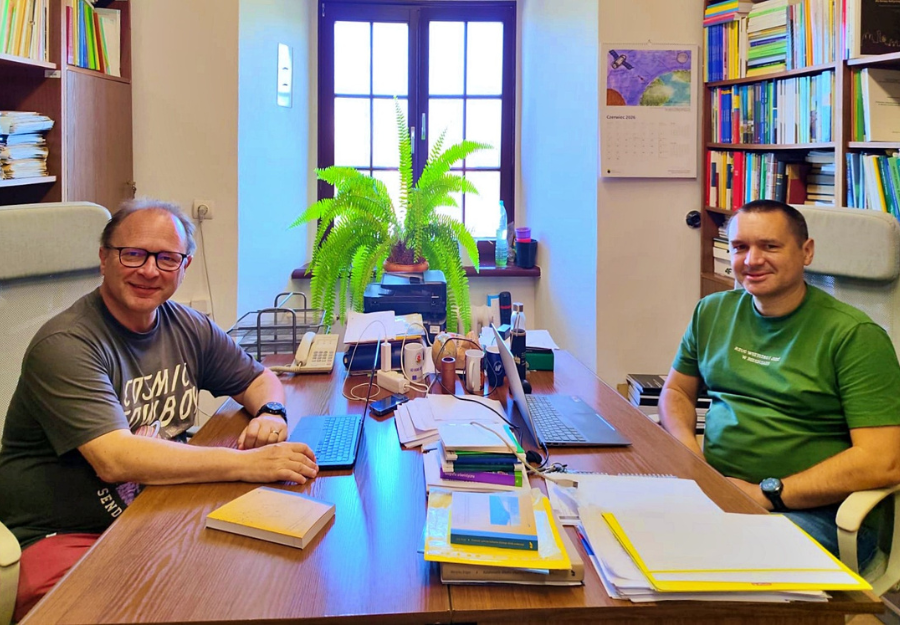
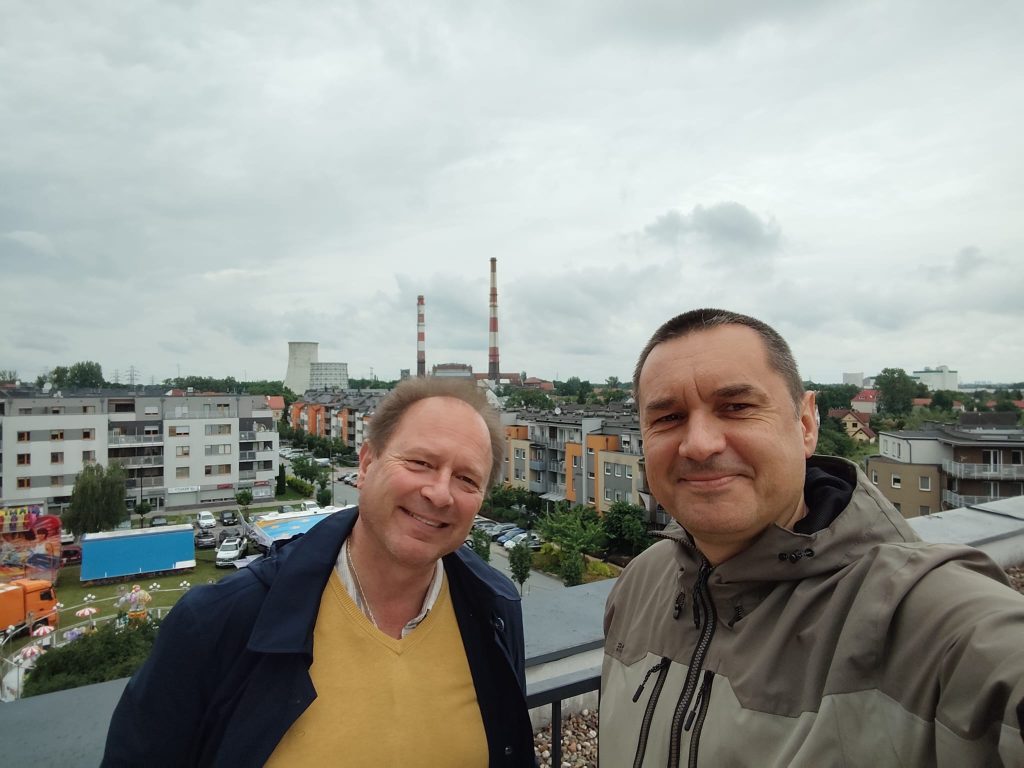
Dr. János Balázs Kocsis, from the Department of Geography and Planning, completed a two-week research stay at the University of Wrocław, Poland, granted by the Pannónia Mobility Programme, focusing on metropolitan development, suburbanisation and the historical legacy of master-planned residential areas in East Central Europe. The visit formed part of an ongoing research collaboration with Professor Robert Szmytkie and colleagues at the Institute of Geography and Regional Development of the University of Wrocław. Its main objective was to strengthen comparative research on the spatial development of Wrocław and Budapest, of Lower Silesia and Central Hungary, with particular attention to the morphology of metropolitan growth, suburban residential development and the continuing relevance of the garden city concept.
The research stay was organised around two closely related academic projects. The first examines the transformation of metropolitan morphology in East Central Europe, with Wrocław and Budapest serving as key comparative cases. It investigates how industrial restructuring, demographic change, administrative decisions, planning frameworks and post-socialist urban expansion have shaped the spatial development of metropolitan regions. The second project focuses on master-planned residential areas and garden city-inspired estates, analysing their role as responses to housing needs, their contribution to social integration, and their long-term urban and architectural heritage.
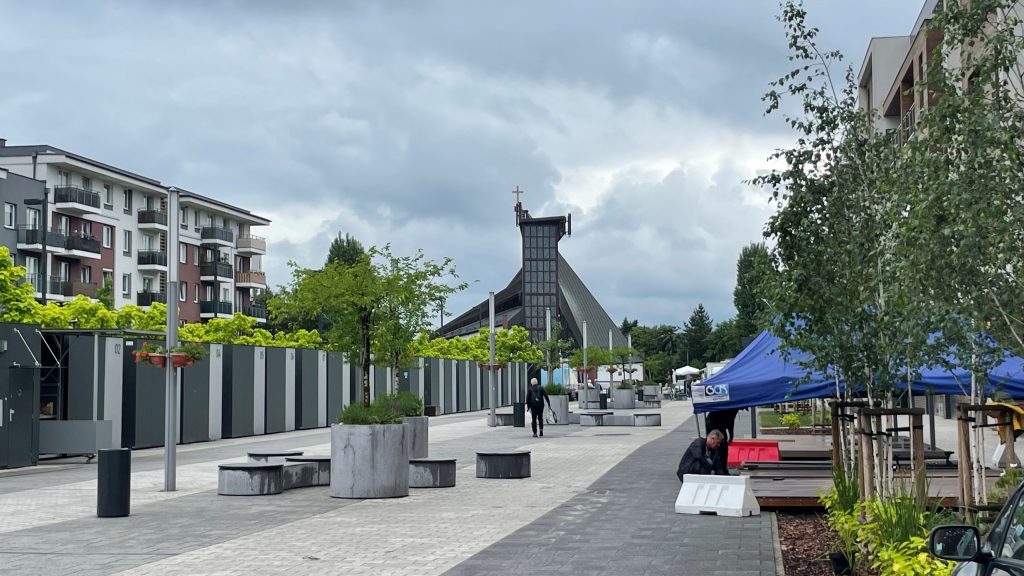
A central component of the programme was fieldwork in Wrocław and its wider regional context. In preparation for articles on the success and legacy of the garden city concept in East Central Europe, Dr Kocsis visited the pre-Second World War garden city examples of Sępolno and Karłowice, within the municipality of Wrocław, guided by Dr Szmytkie. These field visits provided an opportunity to observe the spatial structure, architectural character, green infrastructure and present-day social and urban functions of these historically significant residential areas. Particular attention was paid to the ways in which garden city principles were adapted to local planning traditions and how these neighbourhoods have retained, transformed or reinterpreted their original urban qualities over time.
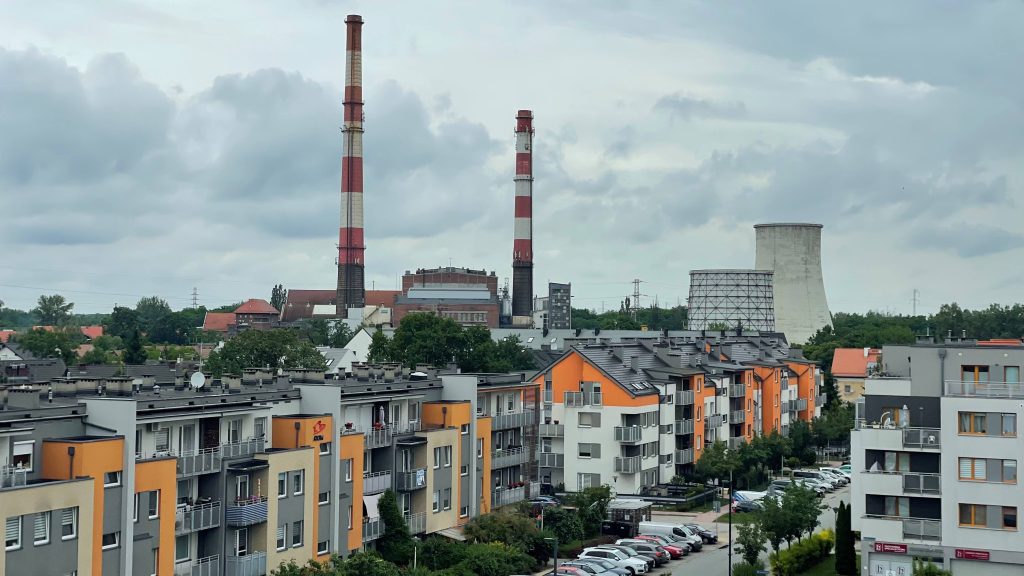
The fieldwork also extended beyond Wrocław itself. In preparation for comparative studies of suburbanisation in Wrocław and Budapest, Dr Kocsis visited Trzebnica and Siechnice, both of which offer important insights into the changing relationship between the central city and its surrounding settlements. These visits supported the analysis of suburban growth, commuting patterns, residential expansion and the changing functions of smaller towns within the metropolitan region. The observations will contribute to a more nuanced comparison of suburban processes in Poland and Hungary, moving beyond simple contrasts with Western European and North American models. A comparative qualitative and quantitative research and article on the fast-growing suburbs of Siechnice and those in the western agglomeration area of Budapest will be the next phase in this direction.
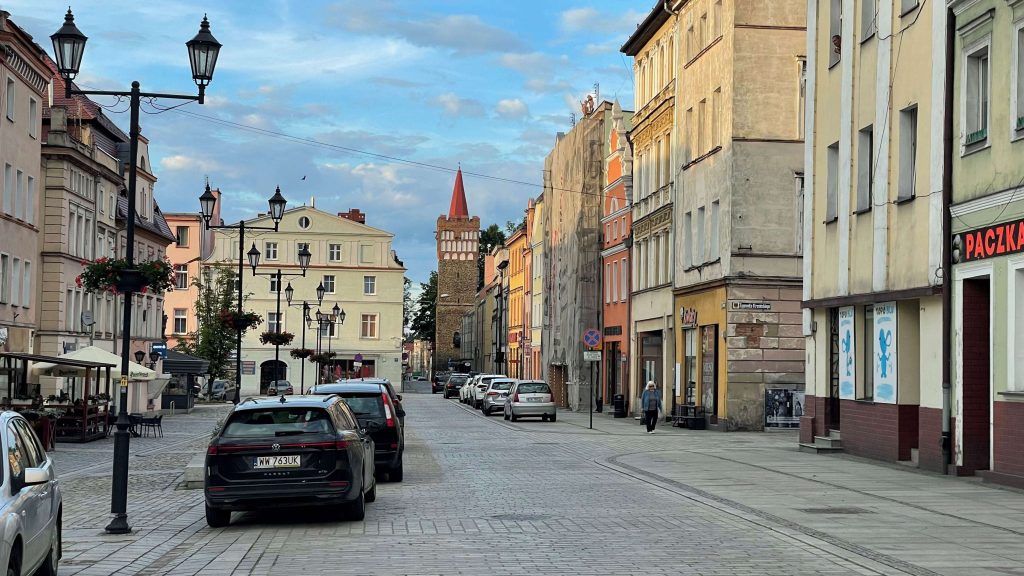
In order to situate Wrocław’s metropolitan development within the broader historical and spatial context of Lower Silesia, the research programme also included visits to Nysa, Brzeg, Jelenia Góra, Świdnica and Paczków. These towns provided valuable comparative material on urban form, historical continuity, regional development and the legacies of different planning regimes. The wider regional fieldwork helped to place Wrocław’s development within a broader network of Lower Silesian urban centres and to identify similarities and differences in patterns of urban transformation, heritage preservation and spatial restructuring.
Methodologically, the stay combined non-participant observation, systematic field visits, professional consultations and comparative analysis. Field observations in Wrocław and Lower Silesia were continuously compared with analogous processes in the Budapest metropolitan region. This comparative perspective is particularly important because urban development in Hungary is often interpreted primarily in relation to Western European or North American examples. By contrast, the present research emphasises the importance of comparison with neighbouring post-socialist countries that share broadly similar historical, institutional and socio-economic trajectories. Such an approach allows for a more precise understanding of East Central European urbanisation and suburbanisation.
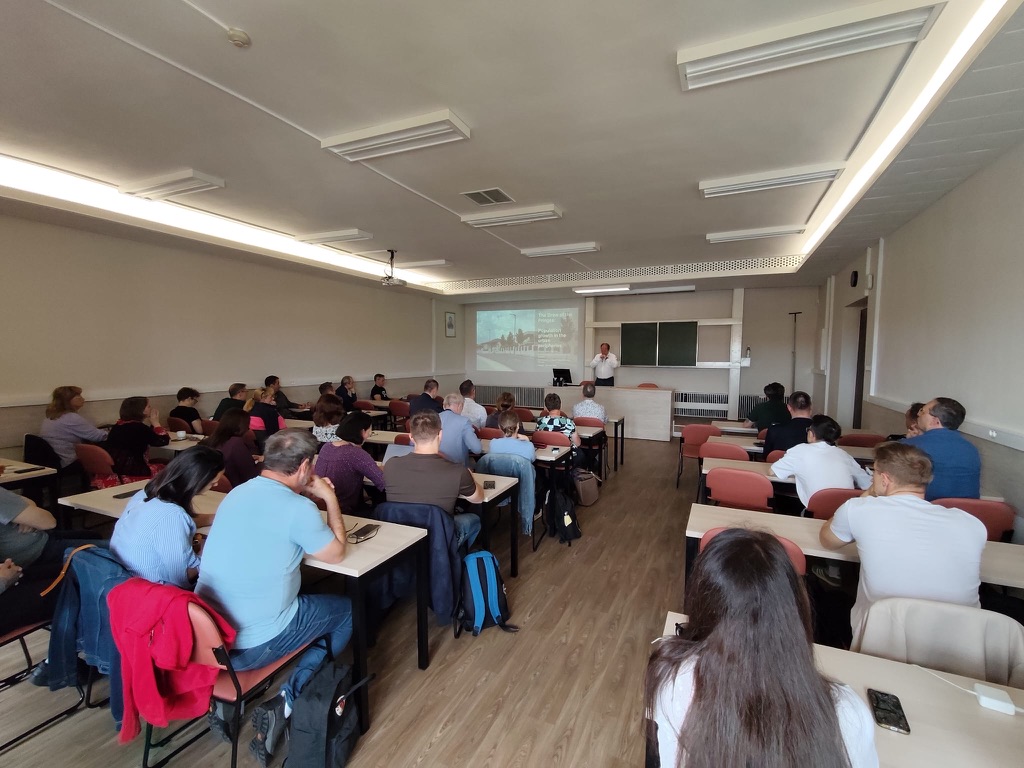
An important academic event during the mobility was Dr Kocsis’s presentation at the Institute of Geography and Regional Development on 12 June. His lecture, entitled “The Draw of the Periphery: One Hundred Years of Suburbanisation in Hungary”, was delivered to an audience of approximately forty scholars. The presentation examined the long-term development of suburbanisation around Budapest, addressing both historical and contemporary processes. It discussed the changing social meanings of suburban settlement, the role of housing aspirations, the transformation of peri-urban areas and the relationship between suburbanisation and gentrification. The lecture provided a basis for discussion with Polish colleagues and contributed to the comparative framing of the ongoing research.
The two-week stay produced several important outcomes. First, it provided field-based empirical material for two planned academic articles intended for submission to leading journals in urban studies, urban affairs or human geography. One article will focus on changing metropolitan morphology in East Central Europe, while the other will examine the success, adaptation and heritage of garden city-inspired and master-planned residential areas in the region. Second, the visit deepened the research’s comparative analytical framework by integrating direct observation of Wrocław, its suburbs, and selected Lower Silesian towns. Third, it strengthened scholarly cooperation between the University of Wrocław and Corvinus University of Budapest.
The mobility also contributed to the internationalisation strategies of the participating institutions. It supported direct academic exchange, joint field-based knowledge production and the development of future Polish–Hungarian research cooperation. By combining theoretical discussion, empirical observation and professional consultation, the visit helped to build a stronger foundation for long-term collaboration in urban studies. It also demonstrated the value of East Central European comparison in understanding broader processes of metropolitan growth, suburbanisation and urban transformation.
Overall, the research stay in Wrocław was highly productive. It advanced two ongoing publication projects, generated new empirical insights, and reinforced institutional and professional links between Polish and Hungarian scholars. The visit confirmed that comparative research between Wrocław and Budapest can make a significant contribution to the study of East Central European urban development, especially by highlighting shared historical trajectories, divergent planning outcomes and the enduring relevance of inherited urban forms.