Female Excellence at Corvinus
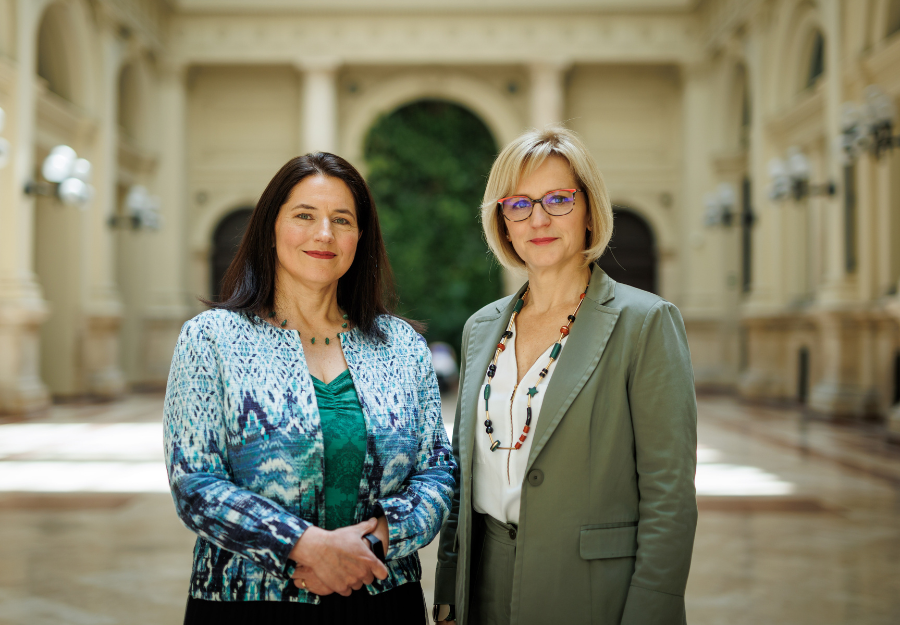
The Hungarian Academy of Sciences awarded the title Doctor of Sciences (DSc) to two Corvinus professors this spring. Tünde Tátrai, Full Professor at the Institute of Operations and Decision Sciences, successfully defended her Doctor of Sciences dissertation in February, while Tamara Keszey, Full Professor at the Institute of Marketing and Communication Sciences, did so in March. Former classmates in Corvinus’s doctoral programme, they now reflect together on changing research identities, the challenges of balancing academic careers and family life, and the new questions driving their work.
When did you first begin to think that your scientific careers might one day lead to the summit represented by a DSc dissertation?
Tamara Keszey: We both had influential doctoral supervisors whose contribution to what Corvinus represents today is impossible to overstate. Tünde’s supervisor was Attila Chikán, mine was József Berács. Both hold the Doctor of Sciences title by the Hungarian Academy of Sciences, and Attila Chikán is also a full member of the Academy. Their personal example was there before us from the very beginning. At the time, it seemed like an unattainable goal, but these role models definitely planted the idea of a serious academic career in us very early on.
How has your understanding of the researcher’s role changed since your PhD years?
T.K.: Our position within the academic generation structure has changed. As PhD students and young researchers, we focused on building our research profiles and establishing ourselves in Hungarian and international academic life. Now, after nearly thirty years as researchers and teachers at this university, our responsibility is very different: supporting the next generation of academics and researchers. Alongside our strictly academic roles, we have both had opportunities to serve the university community more broadly. Tünde is President of the Professorial Body, while I served as Vice-Rector for Research between 2021 and 2024.
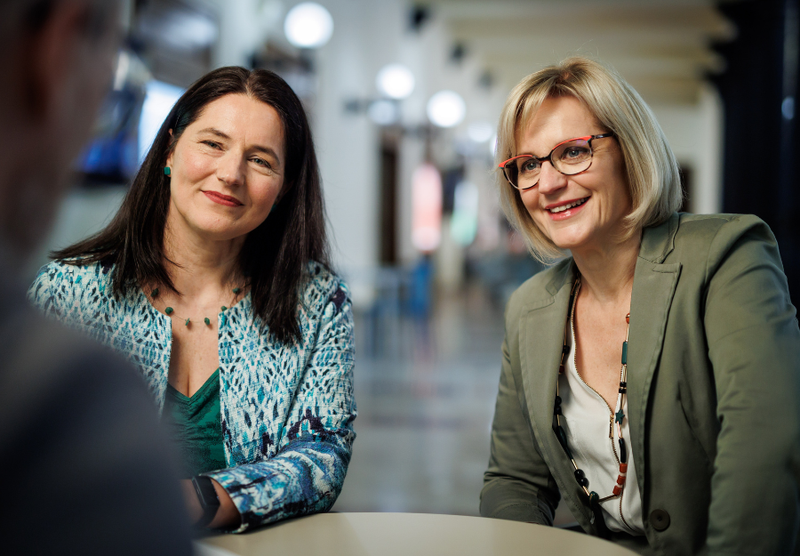
Tünde, your dissertation focused on “competition and innovation in public procurement.” Most people think of public procurement as a bureaucratic administrative field — where is the room for innovation?
Tünde Tátrai: The university has supported procurement research from the very beginning. Many years ago, we were already able to launch our own public procurement manager programme and win international grants in this area. This is far from a one-woman show — many colleagues are involved in this research field. It is a rapidly developing, highly interdisciplinary and intellectually stimulating topic with a diverse literature base and countless research opportunities. Whether we speak about competition, innovation or procedural law, we Hungarians are capable of contributing something new within Central and Eastern Europe.
Public procurement has a negative reputation, but a researcher’s breakthrough can come precisely from revealing its hidden potential — for example, how it can make public spending more efficient during a pandemic or wartime. At the same time, our work can contribute to a broader cultural shift.
If we compare procurement systems in the United States, South America, South Africa, China, Russia, Japan or South Korea, we encounter remarkably similar problems in somewhat different contexts. Hungary is an EU member state, and we have worked hard to become an equal participant in this community. Today, our work is recognised internationally. At the same time, developing countries are also eager to cooperate with us. Our unique position, shared challenges, successful research projects and personal relationships continuously open new opportunities for collaboration.
Tamara, your dissertation explored “customer-based information in marketing.” Companies collect enormous amounts of consumer data today, but what has become the real challenge: obtaining the information, interpreting it correctly, or integrating it into decision-making?
T.K.: Companies have access to more and more data and information, yet over 80% of new products still fail or do not meet expectations in the marketplace. The main reason is that companies do not truly understand their customers: they do not fully grasp their needs, actual behaviour or desires. This creates a paradox, given the unprecedented volume of customer data available today.
The problem is that customer data is often stored in separate silos and subsystems within organisations. Sales professionals, for example, interact with customers every day and gain valuable insights into what individual customers want and how they experience products. This tacit knowledge is extremely valuable for marketing decisions, but difficult to codify and expensive to transfer to the marketing department. Sales teams are not always incentivised to share it either.
Meanwhile, marketers make decisions based on segments and markets rather than individual customers, meaning they think on a different level of abstraction. One of the core challenges for companies is understanding where different types of information reside and integrating them into a genuine 360-degree customer understanding. This is the central focus of my research.
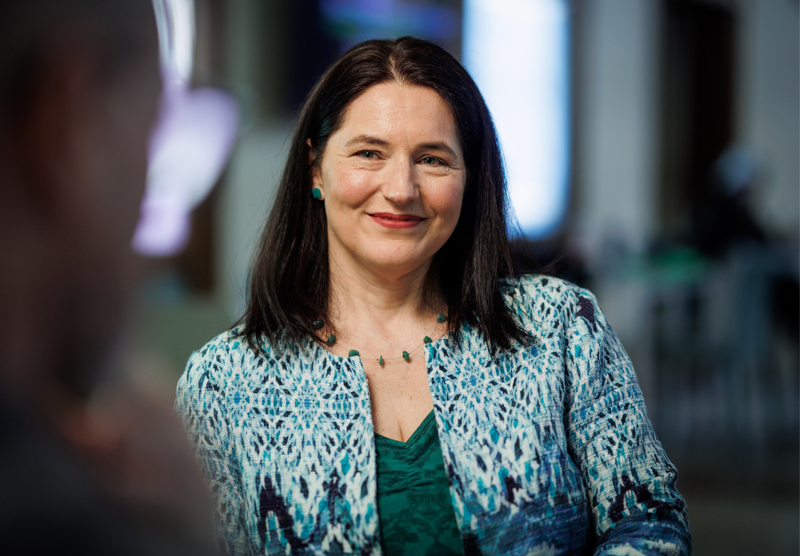
Will artificial intelligence and automated analysis reshape the playing field for marketing researchers as well?
T.K.: Dramatically. AI can already support data processing and interpretation, and companies are beginning to use synthetic AI-generated data for modelling. Still, there are forms of knowledge — such as tacit knowledge — that remain difficult to codify. In a customer service interaction, for instance, a smile, hesitation or emotional nuance often has to be “read between the lines.” Current AI systems still struggle to interpret these highly contextual subtleties accurately.
At the same time, successful organisational use of AI depends on many other factors as well: corporate culture, individual and organisational capabilities, competitive environments or market turbulence.
AI is also fundamentally transforming the relationship between companies and consumers. Influencers have become such important marketing communication tools that virtual influencers now exist as well. Lil Miquela, for example, has more than two and a half million followers despite not existing in reality. This is a fascinating new direction that raises entirely new research questions for marketing scholars.
Both of your research areas are closely connected to practice. How can researchers maintain academic distance while remaining connected to real-life problems?
T.T.: In my case, it is surprisingly easy. Virtually every country has some form of central procurement organisation model. These systems are highly comparable and excellent for analysis, and because they affect so many stakeholders, there is no shortage of opinions about them either. There is data, there are perspectives — for a researcher, that is intoxicating. It is also an area with enormous potential for efficiency gains, where economists carry significant responsibility.
You can only teach this field credibly if you engage with it in practice as well, for example by working with international organisations. I write studies for the European Commission that help shape future legislative processes. Right now, this topic is especially timely.
T.K.: I also stay closely connected to current market developments through both teaching and research. In education, we collaborate intensively with companies. In one of our courses, we invite firms to present their real business challenges, and students spend the semester working on solutions to these marketing problems. At the end of the term, students present their ideas to company executives, who then provide feedback and professional advice.
As researchers, my colleagues and I gather data from firms and executives through in-depth interviews and surveys. I find that business leaders are genuinely interested in the results of our research.
For many young female researchers, balancing family life with international publication expectations remains a major challenge. Is there a good way to manage it? What sacrifices are necessary based on your own experiences?
T.K.: Family is both inspiration and fuel. My children were still very young when I defended my PhD. At the time, I faced the dilemma of whether to return to the corporate world. Before academia, I had worked as a senior IT consultant at KPMG, so after finishing my doctorate I had to redefine myself professionally.
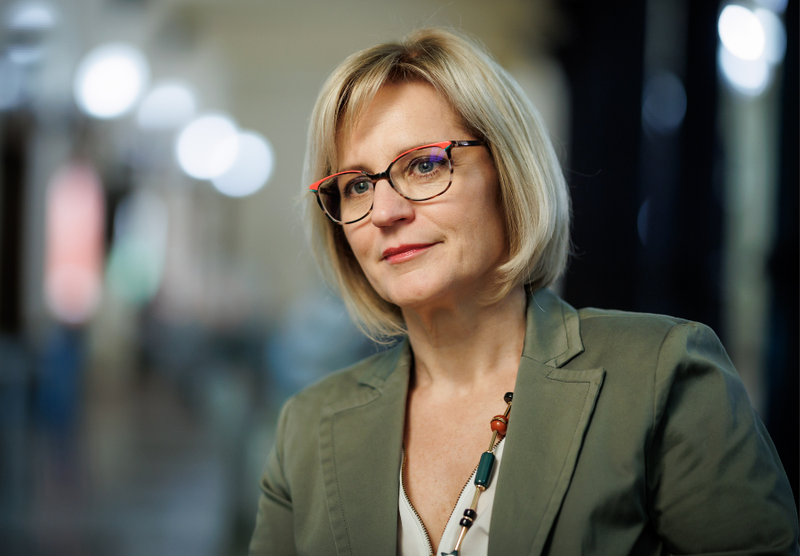
I realised that research was what I loved most, and that it was worth giving up a promising corporate career for it. I gave myself one or two years to see whether I could establish myself internationally as a researcher — and I truly put everything into it. I would take my children swimming, run statistical models on my laptop while they practised in the pool, dry their hair afterwards, make dinner at home, put them to bed, then continue working late into the night.
Family also pushes you toward innovation. My husband has always been an important source of support, but with small children my opportunities for international travel were limited. So I built my international research network through what I jokingly call “guerrilla marketing.” I contacted researchers whose articles I admired and simply asked whether they would be interested in collaborating. Many said no, but eventually I built a broad international network and had the opportunity to publish and apply for grants with leading scholars in my field.
T.T.: Once I spoke with a middle manager who told me she loved hiring mothers with young children. I thought she was joking, but she explained that we are extremely efficient because we simply do not have time to waste. That teaches us many things.
Both of us have three children, which is a fairly significant operation at home — and unquestionably the most important project of our lives. A strong support system is essential: the family environment, the inspiration we received from our parents, and the role of our husbands. Without them, it would have been difficult to imagine any kind of career.
Of course, our homes are not run with military precision, but perhaps they do not need to be. Katalin Karikó once said that parents do not need to do everything on behalf of their children.
Certain routines emerge naturally when children know their mother has a deadline. Sometimes I work through the night, and the family adapts within healthy limits.
In return, I occasionally take one of my older children to a conference and show them the world I work in. I think that is a pretty good deal.
T.K.: Our children are older now, and I believe our academic careers have also served as role models for them. My sons have learned independence — they cook when necessary and know how to start the washing machine. They also see that hard work produces results.
T.T.: We are not iron ladies. I think our children see a kind of fundamental complexity and diversity in us that makes them think: perhaps it is worth listening to Mum after all. She might actually have sensible ideas and navigate the world quite well.
T.K.: The university environment keeps people mentally young. We are immersed in perpetual youth here. When we started teaching, our students were our peers; today we teach the generation of our own children. We are constantly surrounded by young people whose curiosity and openness influence us as well.
Research itself also requires constant renewal: finding new topics and new questions. Young people are endlessly inspiring in this respect. They bring original ideas, and it is wonderful to see how I can “infect” them with research enthusiasm — when they begin thinking about publishing their results or applying for a PhD. This aspect of teaching is truly beautiful.
What research question fascinates you most right now — one for which you still do not have an answer?
T.K.: I find virtual influencers incredibly exciting. Innovative companies have already started using them, but universities have not. I think it would be fascinating to use virtual influencers for science communication as well. Even Corvinus could consider employing “science fluencers,” or researchers could experiment with them individually. Technically, this is no longer particularly complicated.
As a research topic, I am interested in what type of character would be considered most credible: male or female, cartoon-like or realistic. But even more importantly, how can we translate scientific language into formats that are engaging and accessible for younger audiences and the wider public?
T.T.: I will try to match that level of excitement — and yes, AI is part of it here too. I am deeply interested in how artificial intelligence could be used to stimulate competition in the world of public spending. This question particularly fascinates me because I am both an economist and a lawyer.
The immense richness of validated public procurement data is exactly the kind of material worth experimenting with using AI. If we can involve enough talented students — for example from Corvinus’s Business Informatics programme — they can further develop these ideas, creating a ripple effect from the research itself.
Because ultimately, the greatest feeling for a researcher is knowing that your work truly has an impact.
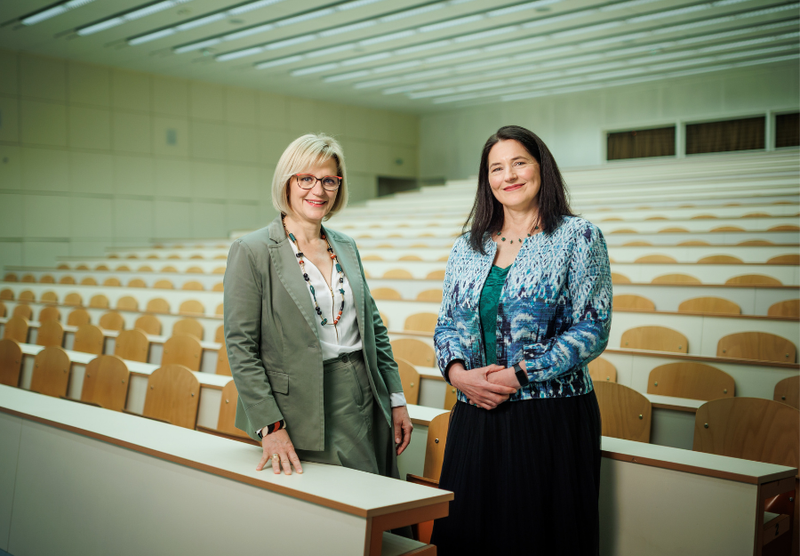
Photos: László Mudra / Corvinus University of Budapest