Corvinus and Radboud Students Learn from Real-World Practice – Sustainability Beyond the Classroom
The initiative connects the MSc in Sustainability Management and Entrepreneurship at Corvinus University with Radboud University’s MSc in Science for Sustainability, creating a unique opportunity for students to experience how sustainability challenges are addressed in different national and organisational contexts.
Learning sustainability in Budapest
The exchange began in March, when students from Radboud University spent a week in Budapest participating in an intensive programme designed by Corvinus University. Rather than remaining in the classroom, students explored sustainability through direct engagement with urban development projects, businesses and infrastructure.
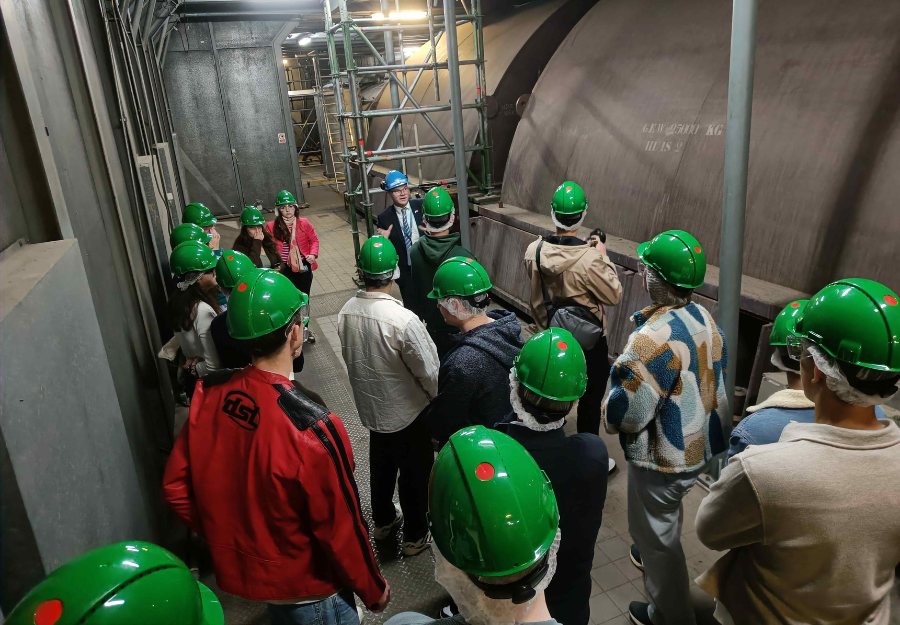
The programme included guided field trips focusing on the rehabilitation of Budapest’s historic inner city and the sustainability challenges of large housing estates led by Géza Salamin and Bálint Tóth of the Institute of Sustainable Development of Corvinus. Students also met Katalin Szomolányi, CEO of Planet Fanatics to gain first-hand insights into corporate sustainability consulting. Company visits to Grundfos and the Paks Nuclear Power Plant offered opportunities to discuss energy transition, industrial sustainability and responsible business practices with experts, while a nature excursion to Normafa highlighted the relationship between urban environments and natural ecosystems.
Continuing the journey in the Netherlands
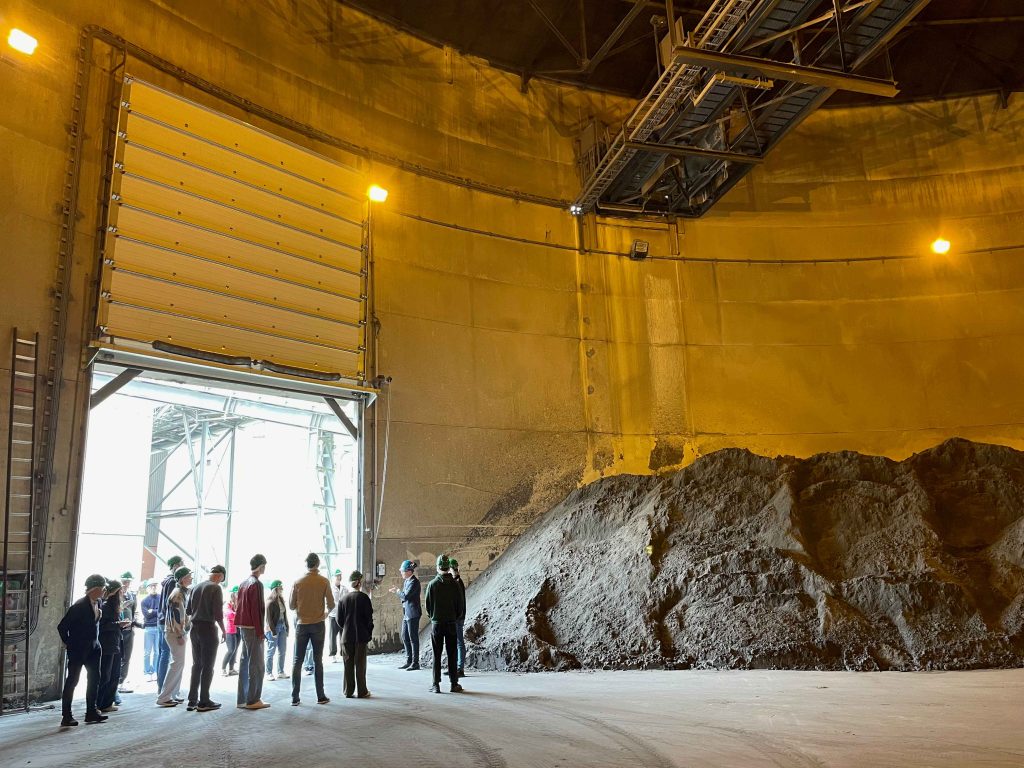
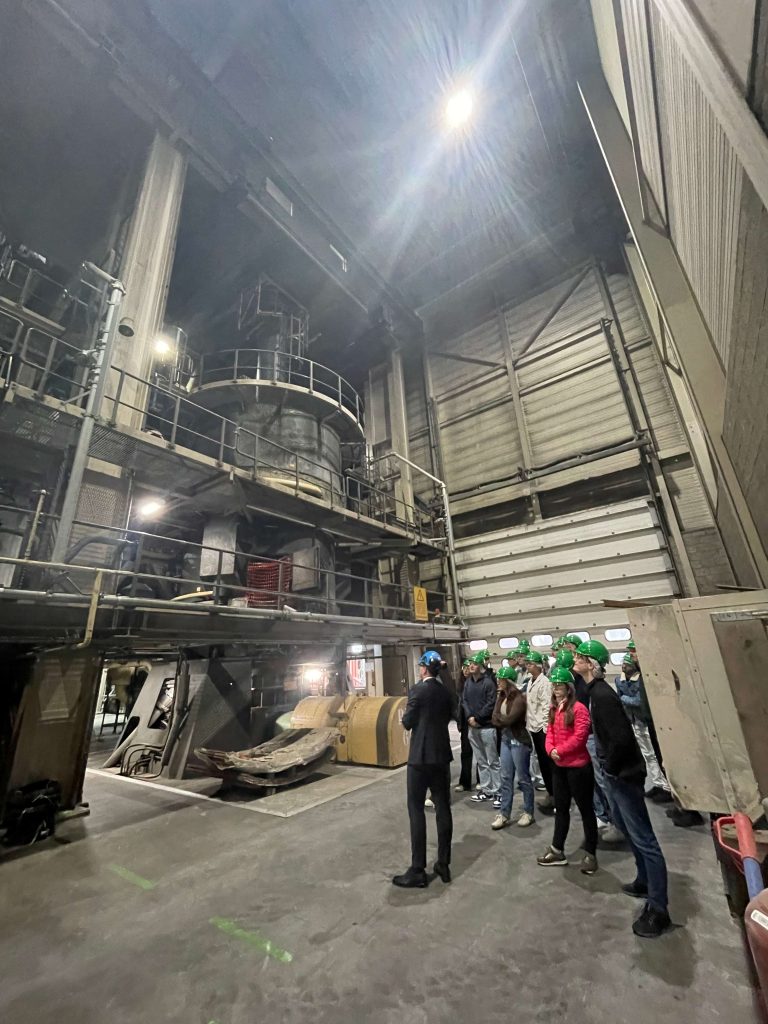
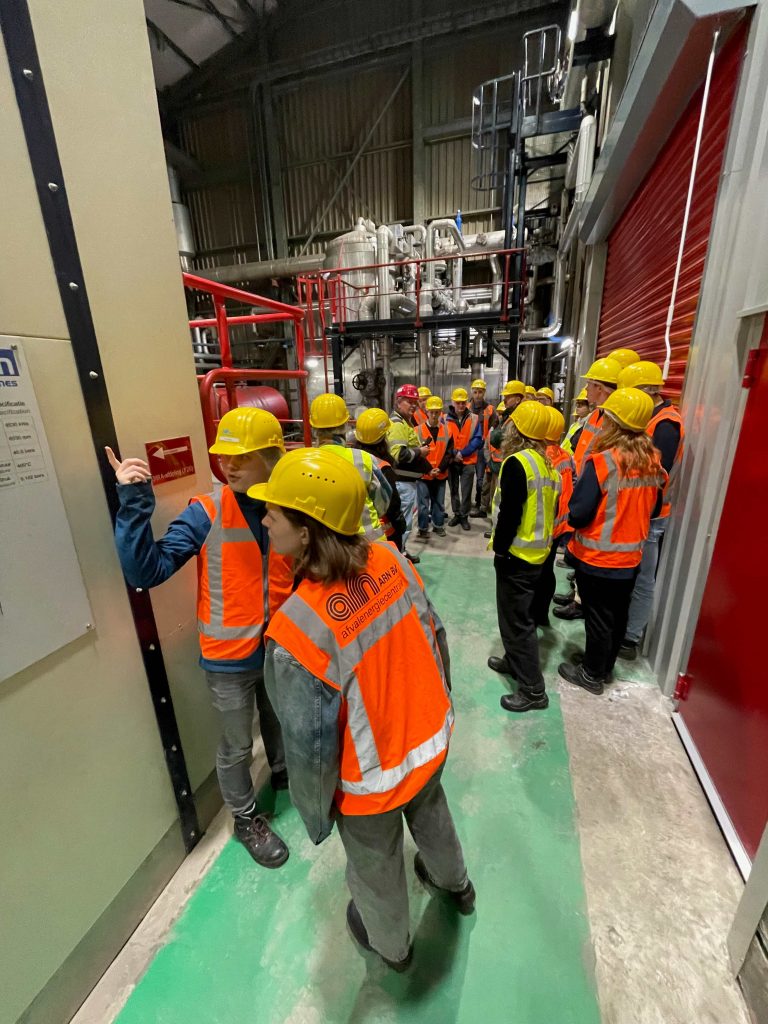
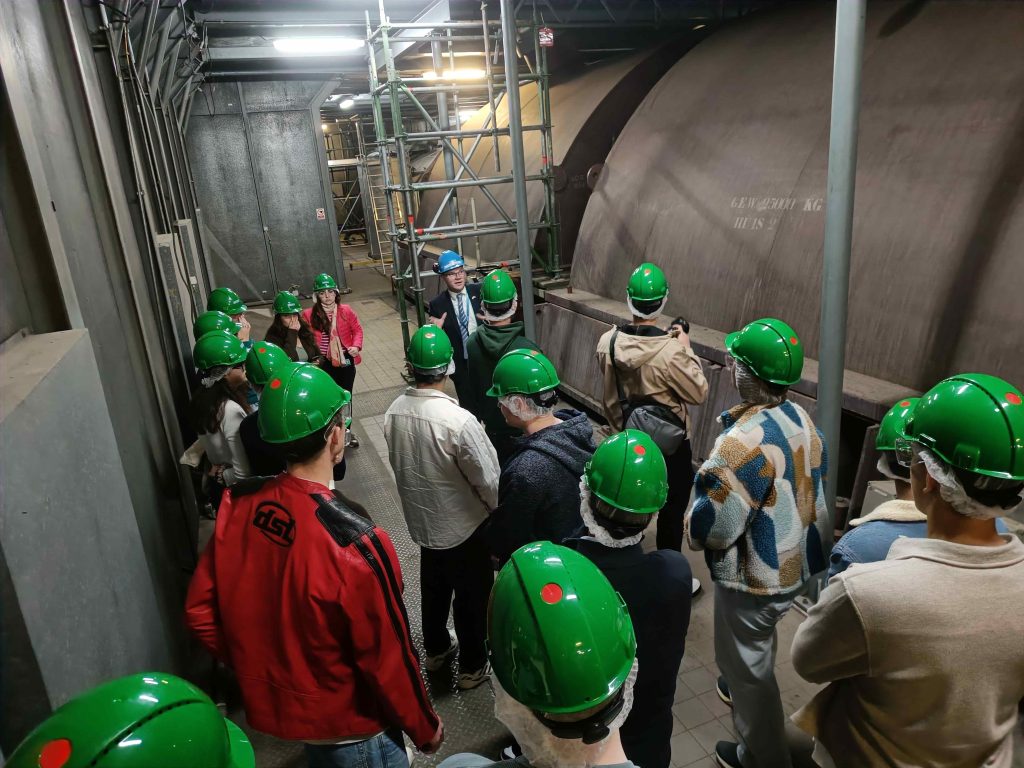
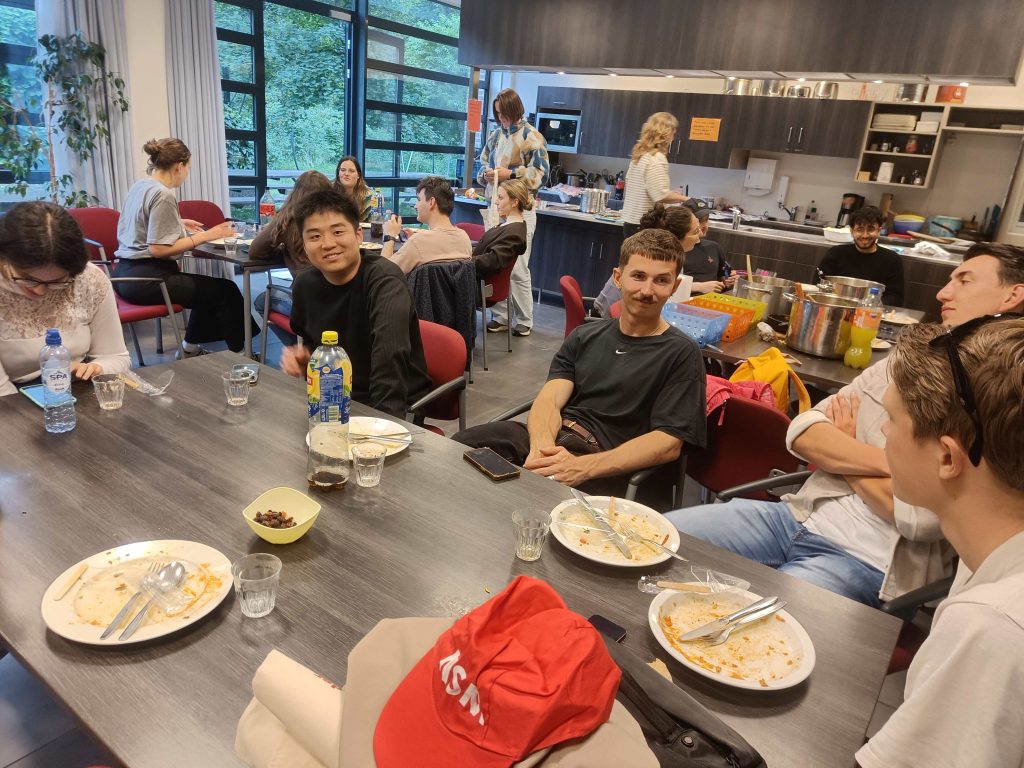
In June, Corvinus students travelled to Nijmegen to complete the second half of the exchange programme. Hosted by Radboud University, they visited recycling company ARN and the Amercentrale power plant, where they explored practical approaches to circular economy solutions and the energy transition. In addition to the company visits, students participated in discussions with sustainability experts, learned about the Healthy Landscape research programme during a field excursion to the Ooijpolder nature reserve, and took part in social activities with Dutch students that strengthened intercultural cooperation.
Bridging academic knowledge and professional practice
The exchange was built around a shared educational philosophy: sustainability cannot be fully understood through lectures alone. By combining academic perspectives with real-world experiences, students gained a deeper understanding of how companies, public organisations and researchers address complex sustainability challenges.
As programme directors Gyula Zilahy from Corvinus University and Sjors Witjes from Radboud University emphasised, experiencing sustainability in practice leaves a far greater impression than simply learning about it in the classroom. The initiative required close cooperation between the two universities, external partners and the students themselves, who actively contributed to organising parts of the programme and developed valuable skills in teamwork, communication and project management alongside their academic knowledge.
Building a long-term partnership
The exchange demonstrates the growing collaboration between Corvinus University and Radboud University in sustainability education. By connecting two complementary master’s programmes, the partnership enables students to learn from different academic traditions while engaging directly with organisations at the forefront of sustainable development.
Beyond expanding international experience, the programme equips future sustainability professionals with practical insights, intercultural competencies and professional networks that will support their careers in business, public policy and research. It also illustrates the shared commitment of both universities to educating graduates who are prepared to contribute to solving today’s sustainability challenges through both academic excellence and practical engagement.