CV - Dr. Biró Péter
- Hungarian CV
- English CV

Adatok
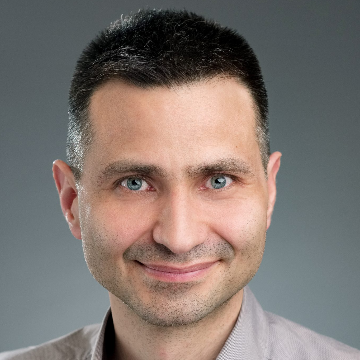 |
Dr. Biró Péter
Egyetemi docens / Associate Professor
Operációkutatás és Aktuáriustudományok Tanszék
1978
|
Végzettségek, tudományos fokozatok
Felsőfokú végzettségek
-
1997 - 2003
BME, matematikus (főiskolai) -
1999 - 2007
BCE, közgazdász (főiskolai)
-
2009, PhD
BME
Szakmai életút
Korábbi és jelenlegi munkahelyek, munkakörök és beosztások
-
2007 - 2010
University of Glasgow, kutató -
2010 - 2014
MTA KRTK KTI, tudományos munkatárs -
2014 - 2015
Stanford University, Economics Department, vendégprofesszor -
2015 -
MTA KRTK KTI, tudományos főmunkatárs
-
2025, Magyar Arany Érdemkereszt
Magyarország Kormánya
Nyelvismeret
Nyelv
Beszéd
Írás
Olvasás
Médiaszereplést vállal-e rajta?
angol
felső
közép
felső
francia
közép
közép
közép
Nyelvismeret
-
Nyelv: angolBeszéd: felsőÍrás: középOlvasás: felsőMédiaszereplést vállal-e rajta?:
-
Nyelv: franciaBeszéd: középÍrás: középOlvasás: középMédiaszereplést vállal-e rajta?:
Kutatás, szakértői tevékenység
Operációkutatás
Közgazdaságtudományok
Biró Péter matematikusként végzett a Budapesti Műszaki és Gazdaságtudományi Egyetemen (2003), majd ugyanitt lett a matematika és számítástudományok doktora (2007). Ezzel egyidejűleg közgazdaságtant tanult a Budapesti Corvinus Egyetemen, ahol az EU szakirányt végezte el (2007). Kutatási területe a kooperatív játékelmélet, algoritmikus mechanizmus-tervezés, és ezeken belül is a párosítások elmélete. 2007-től három és fél éven keresztül volt a University of Glasgow kutatója, majd 2010 októberében csatlakozott a Közgazdaságtudományi Intézet játékelmélet kutatócsoportjához. Az elméleti kutatások mellett gyakorlati alkalmazásokban is közreműködött, így például az Egyesült Királyság vesecsere-programjában, a skóciai rezidensek allokációs programjában, vagy a magyar felsőoktatási felvételi rendszer pontszámítási eljárásában.
Tagság tudományos vagy szakmai szervezetben, testületben
Operációkutatás
Közgazdaságtudományok
Biró Péter matematikusként végzett a Budapesti Műszaki és Gazdaságtudományi Egyetemen (2003), majd ugyanitt lett a matematika és számítástudományok doktora (2007). Ezzel egyidejűleg közgazdaságtant tanult a Budapesti Corvinus Egyetemen, ahol az EU szakirányt végezte el (2007). Kutatási területe a kooperatív játékelmélet, algoritmikus mechanizmus-tervezés, és ezeken belül is a párosítások elmélete. 2007-től három és fél éven keresztül volt a University of Glasgow kutatója, majd 2010 októberében csatlakozott a Közgazdaságtudományi Intézet játékelmélet kutatócsoportjához. Az elméleti kutatások mellett gyakorlati alkalmazásokban is közreműködött, így például az Egyesült Királyság vesecsere-programjában, a skóciai rezidensek allokációs programjában, vagy a magyar felsőoktatási felvételi rendszer pontszámítási eljárásában.
-
2010 - , executive committee member, tag
Matching in Practice network, nemzetközi -
2012 - 2016, MC member and chair of the matching working group in the IC1205 COST Action on Computational Social Choice, tag
, nemzetközi -
2016 - , MC member and chair of Working group 1 in the European Network for Collaboration on Kidney Exchange Programmes (ENCKEP) COST Action, tag
, nemzetközi
-
2023 - , szerkesztőbizottsági tag, a szerkesztőbizottság tagja, vezetője
idegen nyelvű
Elérhetőségek
Egyetemi tartózkodási hely
kedd 13:40-15:10
-
Épület: E
Szobaszám: 122
Mellék:
Fővonal:
Fax:
Belső fax:
peter.biro@uni-corvinus.hu
www.mtakti.hu/intezet/biro.html
tel: 309505368
kedd 13:40-15:10
Personal data
|
Dr. Biró Péter
Egyetemi docens / Associate Professor
Operációkutatás és Aktuáriustudományok Tanszék
1978
|
Qualifications, scientific degrees
Higher education qualifications
-
1997 - 2003
BME, mathematics (főiskolai) -
1999 - 2006
BCE, Economics (főiskolai)
-
2009, PhD
Career
Workplaces
-
2007 - 2010
, postdoc researcher -
2010 - 2014
MTA KRTK KTI, research fellow -
2014 - 2015
Stanford University, visiting professor -
2014 -
MTA KRTK KTI, senior research fellow
Language skills
Language
Speaking
Writing
Reading
Media appearance
English
Advanced
Intermediate
Advanced
French
Intermediate
Intermediate
Intermediate
Language skills
-
Language: EnglishSpeaking: AdvancedWriting: IntermediateReading: AdvancedMedia appearance:
-
Language: FrenchSpeaking: IntermediateWriting: IntermediateReading: IntermediateMedia appearance:
Research, professional activity
Operációkutatás
economics
Péter Biró graduated as a mathematician from the Budapest University of Technology and Economics (2003) and received his PhD in mathematics and computer science from the same university (2007). At the same time, he studied economics at the Corvinus University of Budapest, where he graduated in 2007 with a degree in EU studies. His research interests are in algorithmic mechanism design, cooperative game theory, including the theory and practical applications of preference-based pairings. He was a postdoctoral research fellow at the University of Glasgow for three and a half years from 2007, and joined the Game Theory Momentum research group at the Institute of Economics in October 2010. In 2014, he spent a year as a visiting professor at Stanford, at the invitation of Al Roth. On 1 July 2016 , with the support of the MTA Momentum Programme , he was able to establish the Mechanism Design research group, which he has been leading ever since. In addition to theoretical research, he has also been involved in practical applications, such as the UK kidney exchange programme, the Scottish Resident Allocation Programme, the Hungarian higher education admissions scoring system, the renewal of an Estonian kindergarten allocation programme, and the allocation of students to firms under the CEMS programme. More information can be found on your personal website.
Major research projects
Operációkutatás
economics
Péter Biró graduated as a mathematician from the Budapest University of Technology and Economics (2003) and received his PhD in mathematics and computer science from the same university (2007). At the same time, he studied economics at the Corvinus University of Budapest, where he graduated in 2007 with a degree in EU studies. His research interests are in algorithmic mechanism design, cooperative game theory, including the theory and practical applications of preference-based pairings. He was a postdoctoral research fellow at the University of Glasgow for three and a half years from 2007, and joined the Game Theory Momentum research group at the Institute of Economics in October 2010. In 2014, he spent a year as a visiting professor at Stanford, at the invitation of Al Roth. On 1 July 2016 , with the support of the MTA Momentum Programme , he was able to establish the Mechanism Design research group, which he has been leading ever since. In addition to theoretical research, he has also been involved in practical applications, such as the UK kidney exchange programme, the Scottish Resident Allocation Programme, the Hungarian higher education admissions scoring system, the renewal of an Estonian kindergarten allocation programme, and the allocation of students to firms under the CEMS programme. More information can be found on your personal website.
-
2016 - 2021, Complex design of matching markets
Form of participation: leader of the research team
Moneylender: Hungarian Academy of Sciences, Momentum Grant
Further info about research:
-
2021 - 2026, Engineering economics in matching markets
Form of participation: leader of the research team
Moneylender: Hungarian Academy of Sciences, Momentum Grant
Further info about research:
-
2010 - , executive committee member, member
Matching in Practice Network, international -
2012 - 2016, MC member and chair of the matching working group in the IC1205 COST Action on Computational Social Choice, member
COMSOC COST Action, international -
2016 - 2021, MC member and chair of Working group 1 in the European Network for Collaboration on Kidney Exchange Programmes (ENCKEP) COST Action, member
COST Action, international
-
2023 - , Associate Editor at Managment Science, editor-in-chief, member of the editorial team
Foreign language
Contacts
hétfő 11:40-13:10
peter.biro@uni-corvinus.hu
www.mtakti.hu/intezet/biro.html
hétfő 11:40-13:10