Momentum Programme: Our researcher Balázs Lengyel studies the innovation and polarisation effects of urban networks
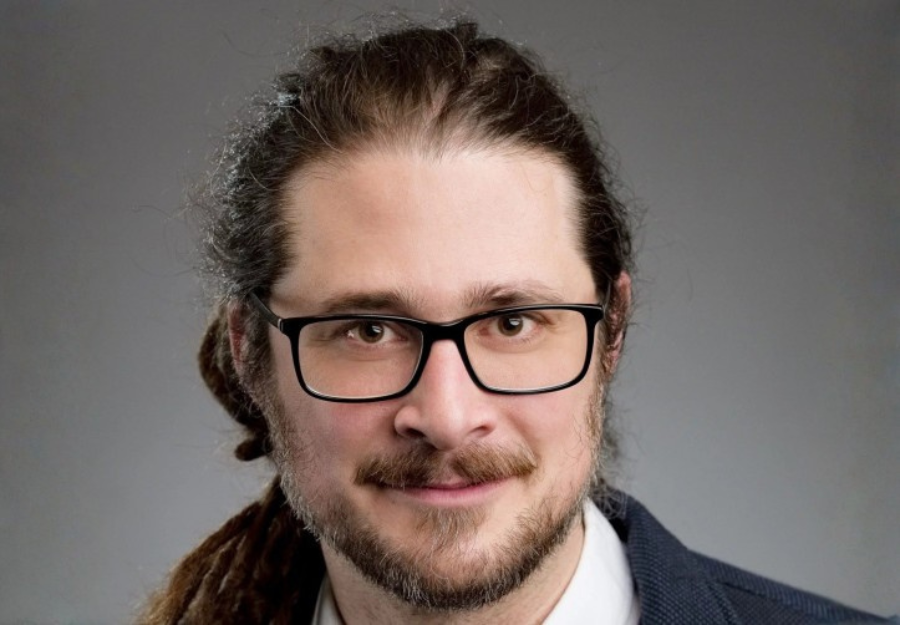
How do interpersonal networks shape the economic and technological development of cities and regions? Balázs Lengyel, a researcher at Corvinus University of Budapest and Senior Research Fellow at the Institute of Economics of HUN-REN CERS, is seeking answers to this question with newly awarded funding under the Momentum (Lendület) Programme.
Cities tend to generate the most intense flows of information, but communication is not automatic: people connect through networks, and the structure of these networks can determine how fast and how effectively ideas travel.
A key focus of Balázs Lengyel’s MTA Momentum (Lendület) grant-winning research is the role of “bridges” between isolated and polarised groups. These connections can open up new opportunities for collaboration and innovation, but when networks remain fragmented, existing inequalities may deepen. The project examines mobility patterns within and between cities in Europe and the United States, alongside the networks of software developers and scientific collaborations, using both Hungarian and international data sources.
Balázs Lengyel is also the lead organiser of Geoinno2026, an interdisciplinary conference on geography and innovation, hosted by Corvinus University of Budapest on 28–30 January. The researcher received a state honour last year.
“We are looking for broader social patterns, and based on these we aim to tell stories that we can all learn from,” says Balázs Lengyel.
More details about the MTA Momentum (Lendület) project are available here: https://mta.hu/mta_hirei/featured-momentum-lendulet-researcher-balazs-lengyel-114690
Previous interview with Balázs Lengyel: https://www.uni-corvinus.hu/post/hir/researcher-stories-we-sat-down-in-front-of-a-computer-to-compile-the-iwiw-database-manually/?lang=en
Photo: kti.krtk.hu