Jump to main content

Marketing Program

The Doctoral Program in Marketing is an opportunity for those who seek to make a lasting impact in the field of marketing. By building a community of scholars committed to excellence, innovation, and societal relevance, this program aims to shape the future of marketing research, education, and practice. Aspiring doctoral candidates are invited to embark on this intellectually stimulating journey, where they will contribute to the advancement of marketing knowledge and emerge as influential leaders in academia and industry.

Corvinus University of Budapest

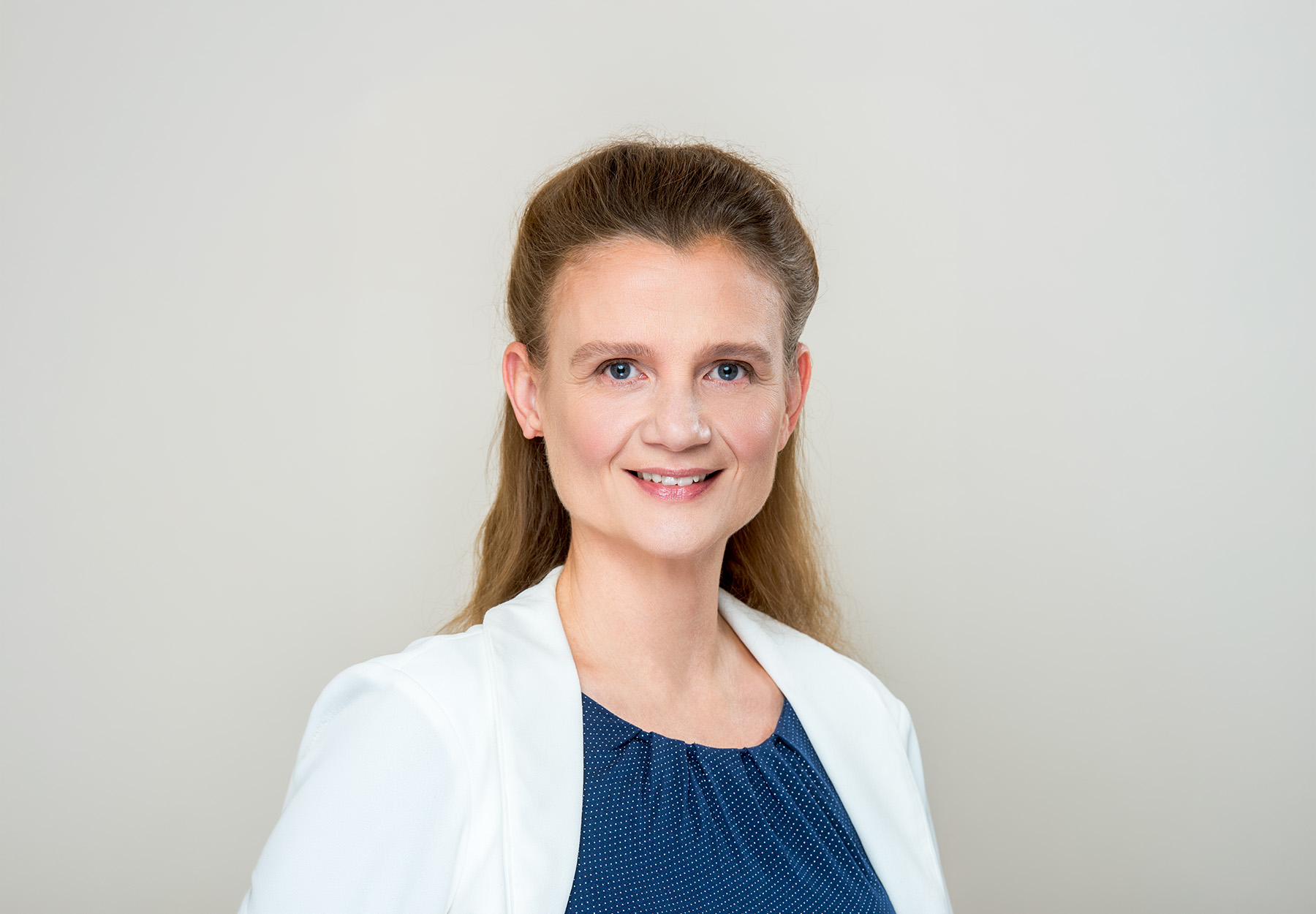
Dr. Zsófia Kenesei

Director of Doctoral Program

Corvinus University of Budapest

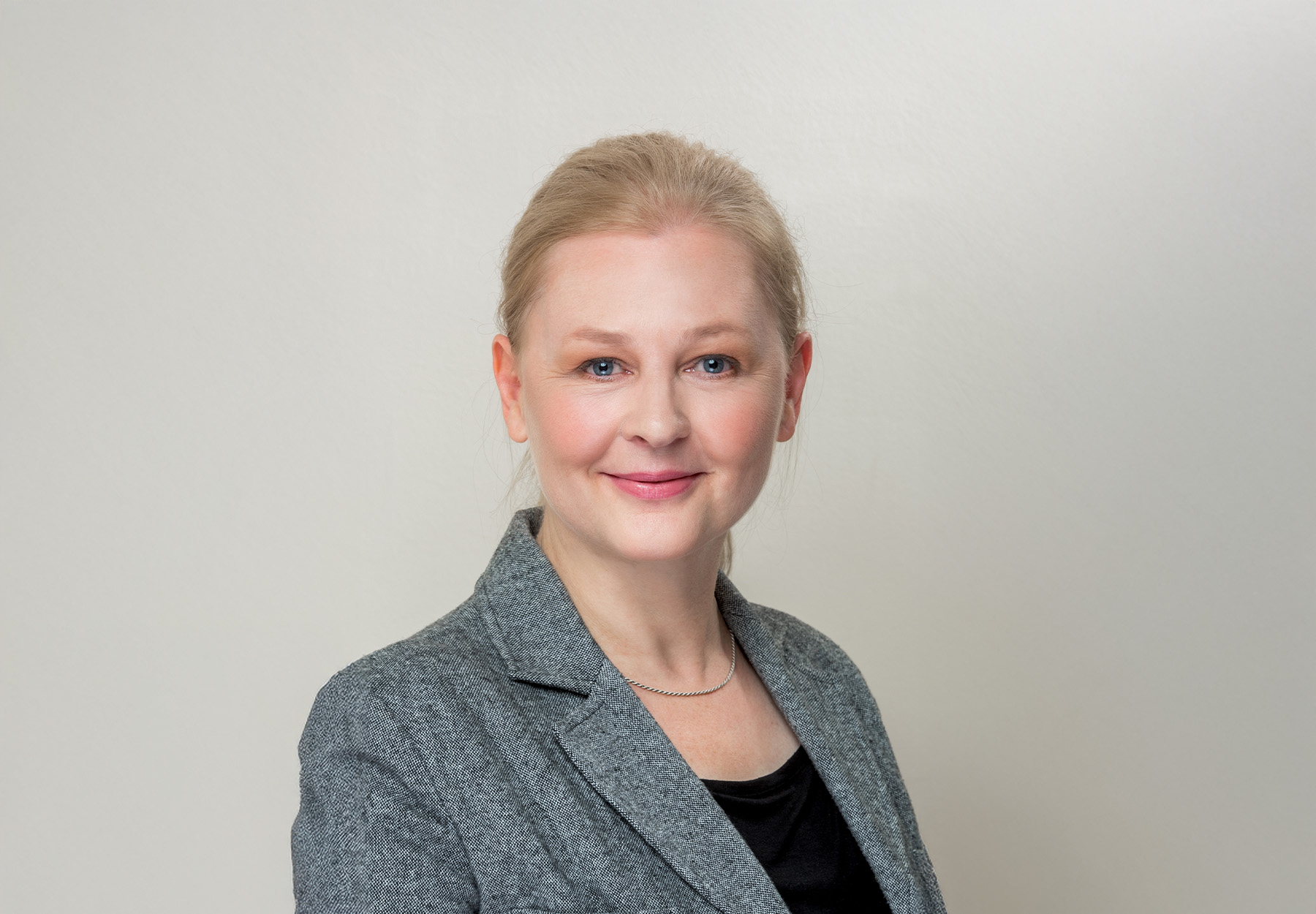
Imre Fertő

Head of Doctoral School

The application deadline is 16 March.

Days
Hours
Minutes
Seconds

„I am researching, working on and teaching my PhD subject at the same time”

The PhD story of Jenő Mátyás Hartyándi

“The past years were full of self-development”

The PhD story of Yuling Wei

Events

Be informed!

Subscribe to our newsletter to automatically receive the latest information on postgraduate studies and admissions!

Why the Marketing Program?

In the dynamic landscape of global business, the role of marketing has evolved into a multifaceted and strategic discipline that requires advanced insights, groundbreaking research, and innovative methodologies. The Doctoral Program in Marketing represents an opportunity for aspiring scholars and industry professionals to delve into the depths of marketing theory, empirical research, and real-world applications. This program is designed to cultivate the next generation of thought leaders, researchers, and educators who will contribute significantly to the advancement of marketing knowledge and practice.


The program is structured to provide a deep understanding of the theoretical foundations of marketing, while also emphasizing the development of advanced research skills. Participants will engage with cutting-edge concepts in digital marketing, co-creation, retail and service innovations, artificial intelligence, design, and other pivotal areas, preparing them to address the challenges and opportunities presented by today’s ever-evolving markets.

The doctoral program places a strong emphasis on producing high-impact research that contributes to the academic literature and informs marketing practice. Participants will be guided through the research process, from formulating compelling research questions to employing rigorous methodologies. Through collaborative research projects, international conferences, and exposure to diverse marketing practices, doctoral candidates will be equipped to address marketing challenges on a global scale.

Recognizing the interdisciplinary nature of contemporary marketing challenges, the program encourages collaboration with other fields such as psychology, economics, data science, and management. This approach broadens the scope of research and encourages innovative solutions to complex marketing issues. To bridge the gap between theory and practice, the program facilitates collaborations with industry partners. This engagement ensures that research remains relevant to real-world marketing challenges, and doctoral candidates gain insights into industry dynamics.

In addition to conducting cutting-edge research, participants will have the opportunity to develop their teaching skills. The program aims to produce educators who can effectively convey complex marketing concepts to diverse audiences, preparing them for impactful roles in academia.

Admissions

The application criteria as well as the general rules of the admission procedure are listed in Section 15 of the University Doctoral Regulations, which is available here.

The list of documents to be submitted is available here!

In the application for admission, applicants must specify which programme they are applying for.

Applicants must consult the Programme Director in advance (before submitting the application file) and must include a written recommendation from the Programme Director supporting the fact of the grant.

Applicants must submit their research proposal in English. The oral interview will be held in English.

The expected length of the research plan to be submitted in the application is 5 pages, excluding references.  The proposed structure of the research plan is set out in Annex 2 to the Regulations of the Doctoral School.

The oral exam serves to assess the applicant’s motivation, professional commitment and aptitude to perform educational and research tasks.

The admission decision is based on a preliminary review of the submitted application materials and the outcome of the oral interview.

The evaluation system for the admission examination is set out in Annex 1 to the Regulations of the Doctoral School

For the 2026/2027 academic year, we welcome applications related to the following research projects led by our top researchers:

Harmonika tartalom

Due to digitalization and the recent use of artificial intelligence algorithms, customers are increasingly encountering more personalized offers. Personalization tailors marketing mix elements to individual consumers based on their customer profile (i.e., preferences, interactions, and other customer characteristics). Personalization depends on who drives it (the customer or the firm) and who is being targeted (an individual or a group of customers), as well as what is being personalized (i.e., products, services, communication, prices, or channels). Compared to the traditional approach, hyper-personalization creates highly contextualized offers by leveraging data, analytics, artificial intelligence, and automation to improve customer experiences. Brands and retailers can calibrate individual offers according to real-time context (i.e., time, location, actual browsing behaviour, etc.). Hyper-personalization can create a sense of exclusivity and deeper emotional connections with users, but it also raises ethical considerations regarding data privacy and the use of sensitive personal information. Firms hope to benefit from personalization in terms of more effective marketing and sales activities, which result in higher profitability. Doctoral research can focus on studying advanced contextual factors and their influence on consumer behaviour, applying various research methodologies. Moreover, there is a possibility of utilizing a retail panel database established by the research group. The database enables the analysis of firm performance effects regarding retail innovations, including personalization tools.

Organizations grapple with the evolving landscape of advertising, heavily shaped by consumer empowerment and the tribalization of society. Digital technologies amplify phenomena such as conscious ad avoidance and heightened awareness of other peers’ consumption experiences via virtual communities, electronic word-of-mouth, or user-generated content. This leads not only to a fragmented advertising consumption landscape but also a hightened involvement of consumers in the creation of marketing (communication) value. Related challenges include reaching consumers effectively and efficiently amid social media storms and value co-destruction. Understanding the dynamics of the above-mentioned phenomena becomes crucial, yet often unmet by organizations, causing tensions between consumers and brands.

The real and virtual worlds are simultaneously present in our lives. Their separation is often identified as a central element of philosophical movements or religions (see solipsism, or Buddhism/Hinduism, the doctrine of “Māyā”). In Plato’s allegory of the cave, the chained man who is released and comes to know reality never feels comfortable in the cave again. In contrast, today’s consumers feel a strong attraction to everything that the virtual world of a (subcultural) cave can offer them. Parallel to the development of human evolution and abstract thinking, jointly created/shared social constructs and virtual elements/realities emerged. Beyond understanding and explaining how the world works, these carried with them a higher level of intellectual experience, generated identity or even other types of entertainment. Just think of novels, arts, theater, the film industry, role-playing and video games, but in a certain sense, the

subcultural reality developed by generations, often manifested in slang and memes, can also be included here (e.g. 6-7 and others). Technological developments and the emergence of AI have created further contexts, see virtual (AI) companions.

From a marketing perspective, this phenomenon is evident not only in the development of these products/services, but also in the communication, branding, and storytelling associated with them. The research group aims to explore the consumer side of this field, including people’s motivations, roles, behaviours, and participation in these processes. The research series contributes to a deeper understanding of the general patterns of consumer behaviour, which can also help practitioners make more informed decisions.

The economic importance of design is constantly growing and has become an emerging asset of competitive advantage, so as to approach novel, fresh scientific questions. Our program is based on a locally developed approach to design: designcommunication, DIS:CO. In other words, creating connections and doing research as designing.

Our doctoral research initiative aims to connect academia and business practice, science and application, and theory and practice in real time. Participants under our supervision work in two roles: as researchers and designers. Our doctoral students may create a new “product” – be it a practical framework, operating system, business model, service, visual identity, or a genuine physical product – according to their ambition. Relating to this creative process, they investigate either the design and innovative process, managerial or application decision-making, or the practical-theoretical fit of the novelty in scientific rigour.

Our research group aims to explore how AI-based technologies will transform the production, operation, and use of services in the coming decade. We believe that AI is not merely a new tool in the world of services, but a comprehensive force that is redefining consumer decision-making and corporate value creation. Our starting point is the recognition that AI can influence every step of the decision-making process—from problem recognition to choice, and from experience to evaluation. As a result, corporate marketing strategies are undergoing fundamental change: automated forecasting, real-time data utilization, personalized recommendation systems, and virtual/chatbot assistants are becoming the new norm.

At the same time, the role of the frontline is being reshaped. In the future service environment, collaboration between humans and machines will become central, with the service experience formed partly through algorithms and partly through human interaction. For companies, the quality and quantity of customer data, along with the effectiveness of the algorithms that process them, will be among the most critical drivers of success.

We are committed to examining and applying AI in ways that preserve the human-centered nature of services. In line with the principles of the Digital Humanism Initiative, we aim to ensure that new technologies are not only more efficient but also provide humane, meaningful experiences for both users and employees.

This research topic offers an exciting opportunity for prospective doctoral students who wish to contribute to shaping the future of services. The work of our research group is supported by the National Research, Development and Innovation Office (NKFIH) through an OTKA grant.

The convergence of digital marketing and artificial intelligence marks a new era in marketing research, offering an exciting arena for exploring the intersection of technology and behavioral science. Our research group investigates how AI-based technologies, virtual influencers, and chatbots transform consumer experience, and why humanoid digital characters can evoke both attraction and aversion (the Uncanny Valley effect). On the organizational side, our studies focus on AI-related dynamic marketing capabilities and their impact on competitive advantage and innovativeness. Prospective researchers will have a unique opportunity to work within an international research network alongside leading foreign scholars, as the group’s work is supported by the National Research, Development and Innovation Office of Hungary (NRDIO).

The emotional attachment to brands has loosened just as much as the human bonds have changed in the past decade. Brands are doing their best to develop an attractive brand identity, focusing on shared values, positive customer experiences, personalize their services, communication and even use storytelling hoping that it will resonate with consumers. In this research we aim to unmask the human behind the consumer by understanding the multifaceted nature of their emotional attachments to people, brands, social platforms, and the cross-cultural environment.

The research group aims to investigate how consumers actually see, feel and process digital brand communication by combining digital marketing research with consumer neuroscience and biometric methods. Our starting point is that attention, emotion and decision-making in online environments often differ from what traditional self-report measures suggest. Therefore, we rely on eye-tracking, galvanic skin response (GSR) and experimental tasks (e.g. decision-making and implicit tests) to gain a deeper understanding of the digital customer experience.

Key research directions include, among others, comparing consumer responses to AI-generated versus human-created advertising, exploring how socially responsible and sustainability-related messages (especially in agri-food and FMCG markets) influence attitudes and behaviour, examining how older consumers process complex digital information, and B2B and omnichannel marketing. Our broader goal is to support the development of ethical, human-centred digital marketing and branding strategies.

The research group could utilize the NEDIMARC – Neuro- and Digital Marketing Research Center’s state-of-the-art lab infrastructure, including screen-based and wearable eye-trackers, GSR measurement, and experimental research facilities. Participating PhD students will have the opportunity to work on multi-method experimental studies, join international collaborations, and publish in high-quality journals at the intersection of digital marketing and consumer neuroscience.

A photograph combines realistic representation and expressive potential, making it suitable as an explanatory or interpretive tool in a scientific sense. Its scientific power lies precisely in the fact that it functions simultaneously as data, a surface for interpretation, and a narrative formulation.

Photographs capture and reveal what often remains hidden in everyday observation: objects, arrangements, spatial structures, bodily relationships, and even consumption patterns. Photographs (and films) can be transformed into qualitative research data.

Photographs evoke personal and collective stories. The creators and interviewees participating in the research do not simply respond to the research question, but to their own images, which mobilize emotions, memories, and layers of meaning.

Photo and video elicitation, videography, as empirical and artistic products, can be interpreted using approaches from design science research, designcommunication, visual anthropology, psychology, and art-based research. The field of research can be examined in the context of both human and non-human events taking place in today’s physical and virtual spaces.

Be informed!

Subscribe to our newsletter to automatically receive the latest information on postgraduate studies and admissions!

Contact

Office: Building E room 235.

Please make an appointment by email before a personal consultation!

Corvinus University of Budapest

Dr. Zsófia Kenesei

Director of Doctoral Program

Corvinus University of Budapest

Brigitta Czumpf

PhD procedures expert - study affairs and thesis draft defence

Corvinus University of Budapest

Imre Fertő

Head of Doctoral School

Corvinus University of Budapest

Mónika Herman

PhD procedures expert - final dissertation submission and defence

Copied to clipboard
×