IR TALKS 12 – The Middle East at a Crossroads: Iran, Regional Escalation, and Global Security
19 March 2026 Thursday / 17:20-18:50 / C.201
Post-Event Summary: IR TALKS Roundtable on Escalation in the Middle East
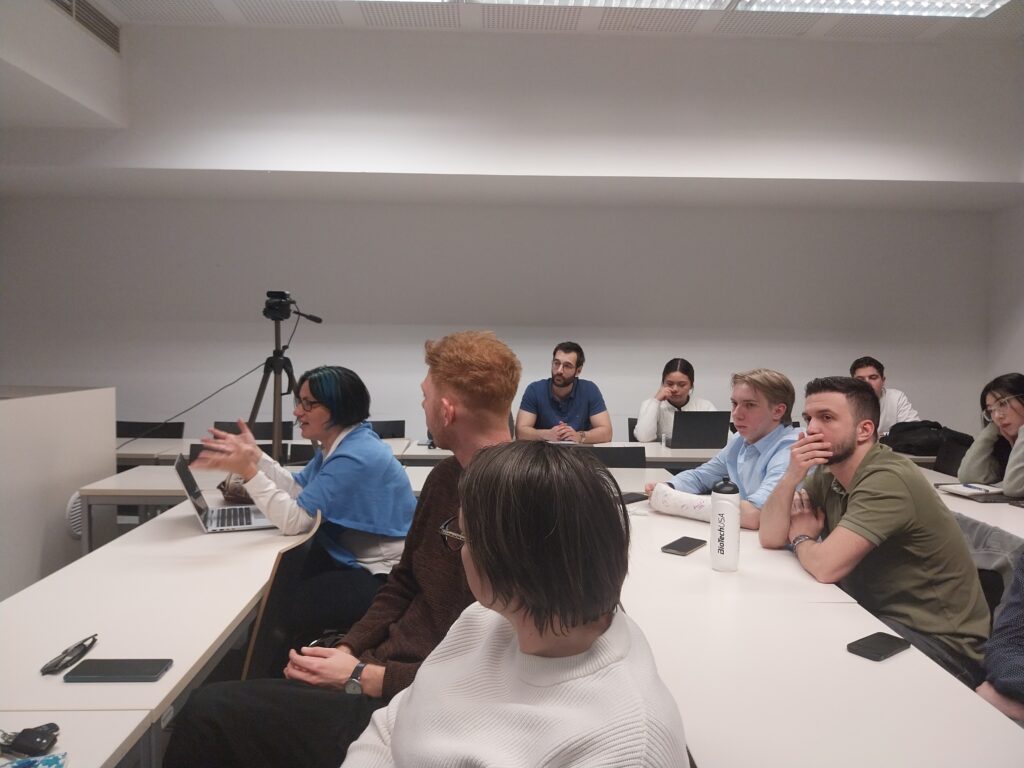
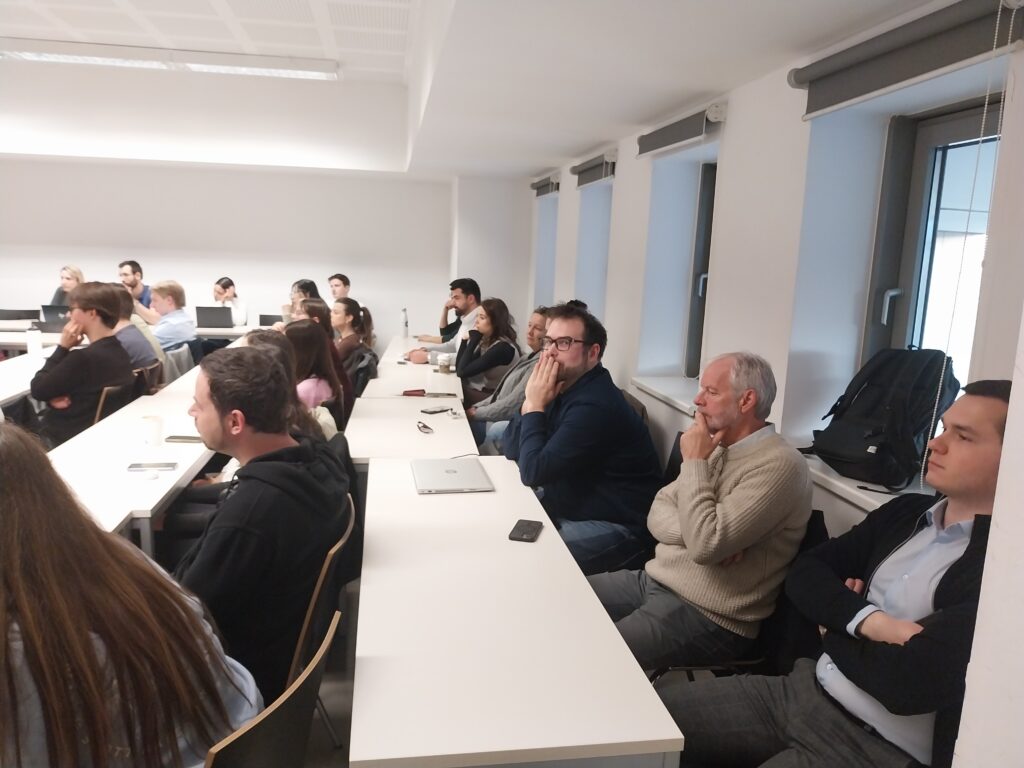
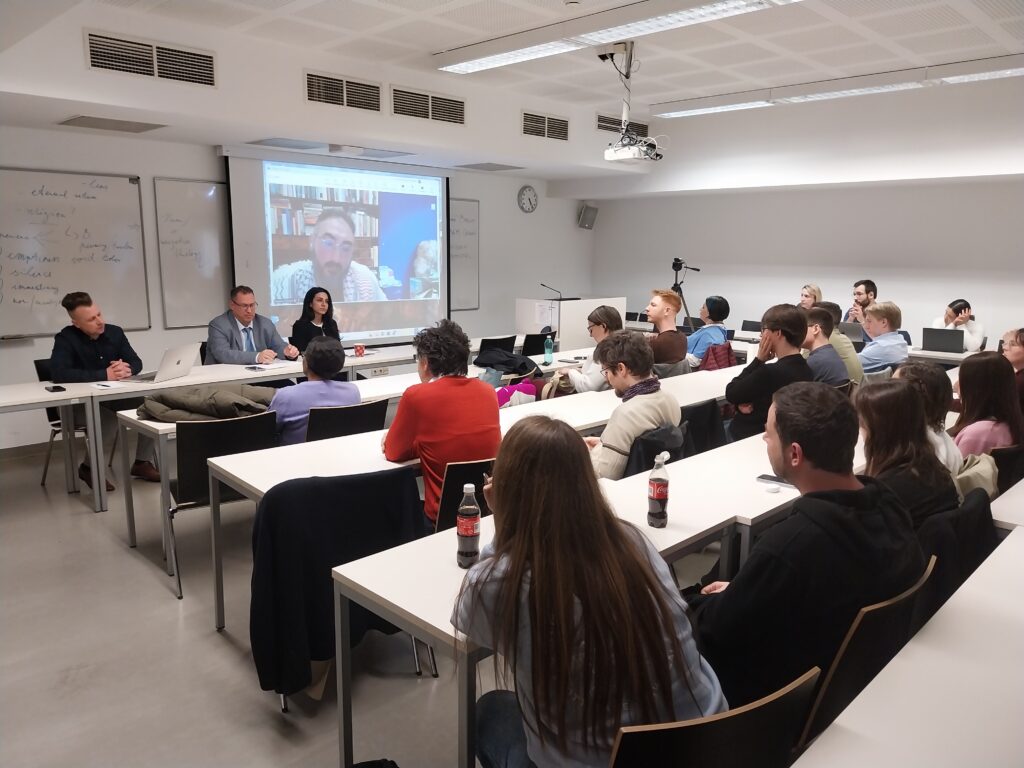
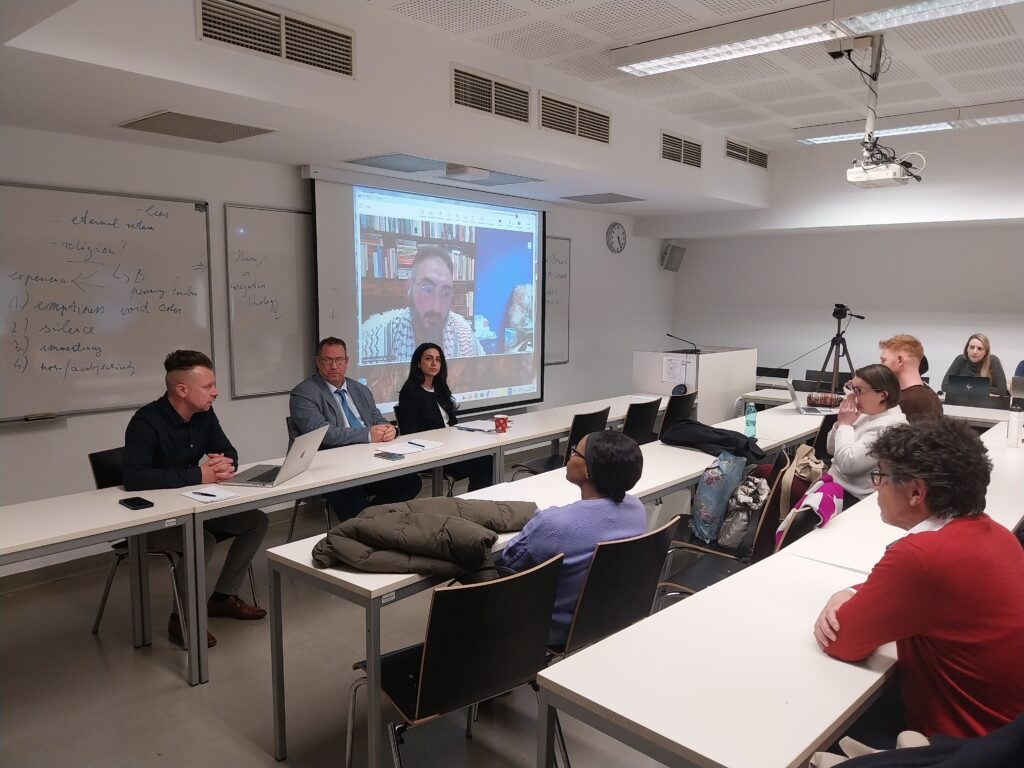
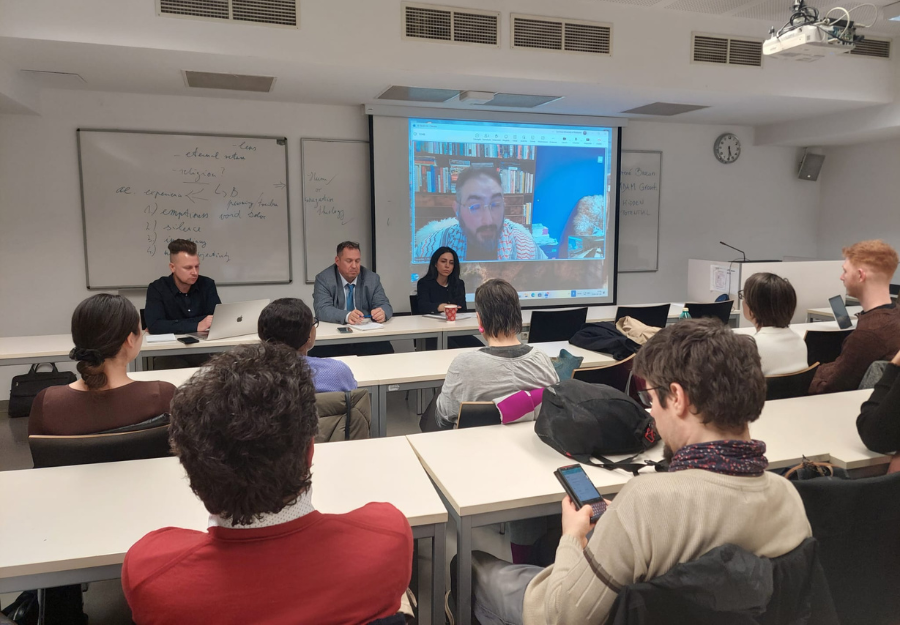
The latest session of IR TALKS, hosted by the Department of International Relations at Corvinus University of Budapest, brought together an engaged audience for a timely and thought-provoking discussion on the rapidly evolving crisis involving Iran, Israel, and the United States. Conducted in English, the roundtable offered a comprehensive and critical examination of recent escalatory developments, including military strikes on Iranian targets and the death of key figures within Iran’s leadership.
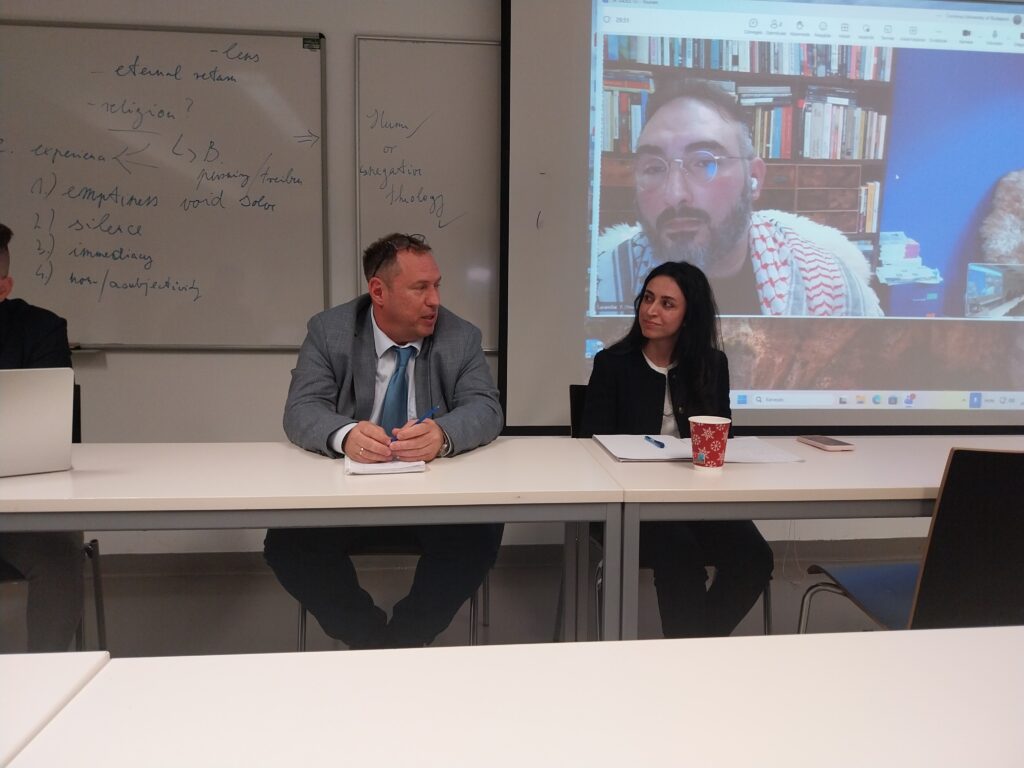
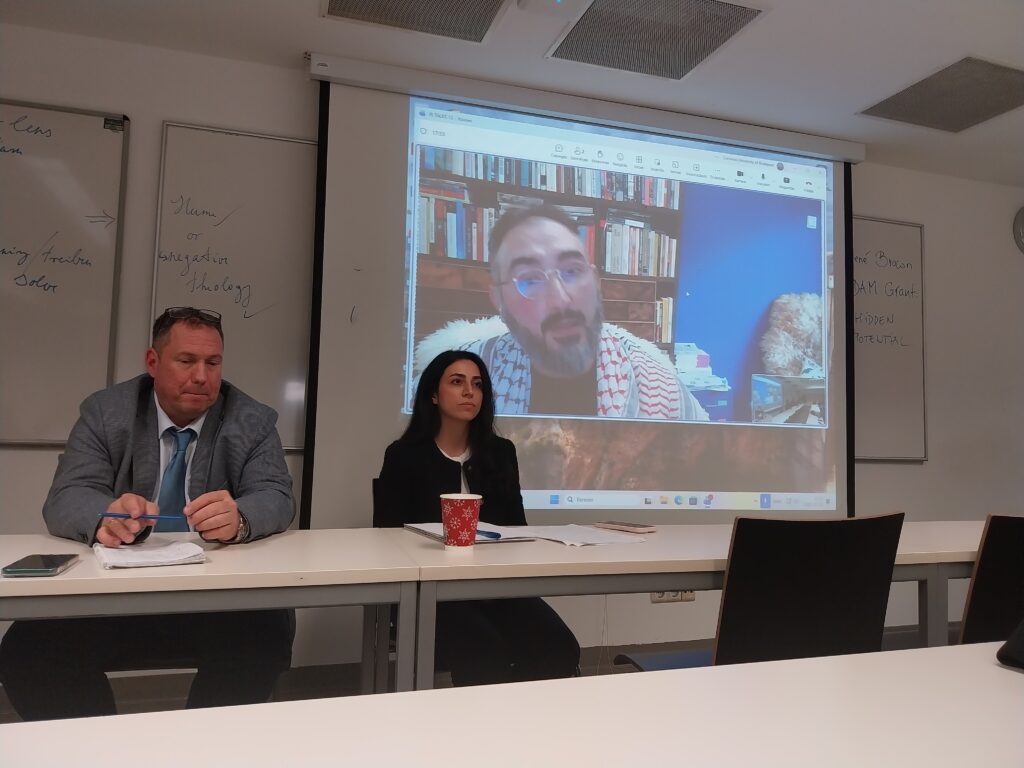
The discussion featured insightful contributions from Professor László Csicsmann and Dr Scott N. Romaniuk, Senior Research Fellow (Corvinus University of Budapest), alongside Younes Saramifar (Vrije Universiteit Amsterdam) and Mina Shahmiri (Corvinus University of Budapest). Drawing on their diverse expertise, the speakers unpacked both the internal and external dimensions of the unfolding crisis, situating current events within broader regional and global dynamics.
A central focus of the conversation was the future trajectory of Iran’s political system, including questions of regime stability, elite cohesion, and the reconfiguration of symbolic authority. The roundtable also explored the wider regional implications of the conflict, including the risks of spillover, the involvement of neighbouring states, and the role of global powers. Participants further reflected on the strategic importance of key maritime chokepoints and the broader consequences for global trade and energy security.
Importantly, the discussion moved beyond conventional state-centric analysis to incorporate normative and human-centred perspectives, emphasising the lived realities and societal consequences of the conflict.
Key Themes and Questions Raised
1. Nature of the Conflict and Strategic Dynamics
- Is this best understood as a war between states or a conflict affecting people more broadly?
- To what extent can the current situation be described as a war of attrition?
- Does the conflict reveal a form of mutual dependency between opposing regimes, particularly in sustaining military-industrial structures?
2. Human-Centric and Normative Concerns
- Why is the discourse often not more human-centred, focusing on people rather than missiles and oil?
- What are the implications of attacks on cultural and heritage sites?
- What would an ideal or hopeful scenario look like for the Iranian population?
3. Internal Iranian Politics and Society
- What becomes of symbolic authority and leadership in Iran in the absence of longstanding figures?
- How is political legitimacy constructed and contested in this context?
- What role has the Iranian diaspora played in shaping narratives or influencing developments?
- What should be the future of ethnic and minority groups within Iran?
4. Regional Spillover and Geopolitical Risks
- What is the greatest risk in the coming weeks and months—further escalation or containment?
- Could additional battlegrounds emerge, such as in Lebanon?
- To what extent might regional actors such as Türkiye, Azerbaijan, or others become involved?
5. Global Powers and Overlooked Dimensions
- What role is Russia playing—strategic silence, indirect involvement, or potential benefit?
- Which important issues or perspectives remain under-discussed in current analyses?
The session concluded with reflections on uncertainty and the multiplicity of possible trajectories, highlighting both immediate risks and longer-term transformations. Overall, the event offered a rich, multi-layered exploration of one of the most consequential geopolitical crises of our time, staying true to the IR TALKS mission of fostering critical dialogue and deeper understanding in an era of turbulent international politics.
IR TALKS is a series of guest and roundtable talks organised by the Department of International Relations at Corvinus University to make sense of the world we live in at a time of turbulent international politics.