Sustainability Education and Planetary Wellbeing
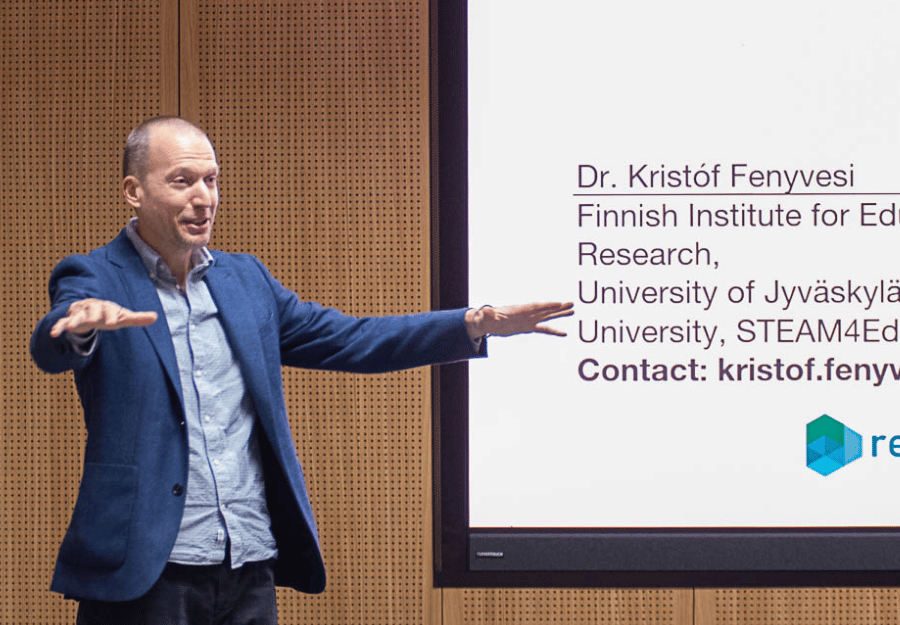
As the founder of Experience Workshop, he works on educational development projects around the world and is involved in initiatives linked to UNESCO, the EU and professional organisations. In his presentation, he moved on from the basics to illustrate his points with examples of educational practice in Finland.
Today, discussions about sustainability go far beyond the question of economic growth. Increasingly, experts argue that human wellbeing can only be maintained in the long term if the Earth’s ecological systems remain healthy and resilient. The concept of planetary wellbeing highlights the close interdependence between people and nature, emphasizing that sustainability is not only an environmental issue but also an ethical and social responsibility.
Education plays a key role in this process. Its purpose is not simply to teach students about environmental challenges, but also to help them understand complex connections, think critically about the future, and become active participants in creating positive change. Experiential learning, project work, role-playing activities, and collaborative problem-solving can make sustainability a meaningful and personal experience.
According to experts, sustainability becomes truly effective when it is integrated not only into the curriculum but also into the everyday culture and operation of schools, as well as the wider community. The ultimate goal of sustainability education is to prepare people who understand global challenges, think responsibly about the future, and are willing and able to contribute to a more livable, equitable, and sustainable world.
Photo: György Kenéz