Totalitarian regimes and democratic resistance in state socialism: Experiential Classes in the Regime Types and Human Rights course
28 September & 12 October 2026 | Holocaust Memorial Center & Terézváros, 6th District of Budapest
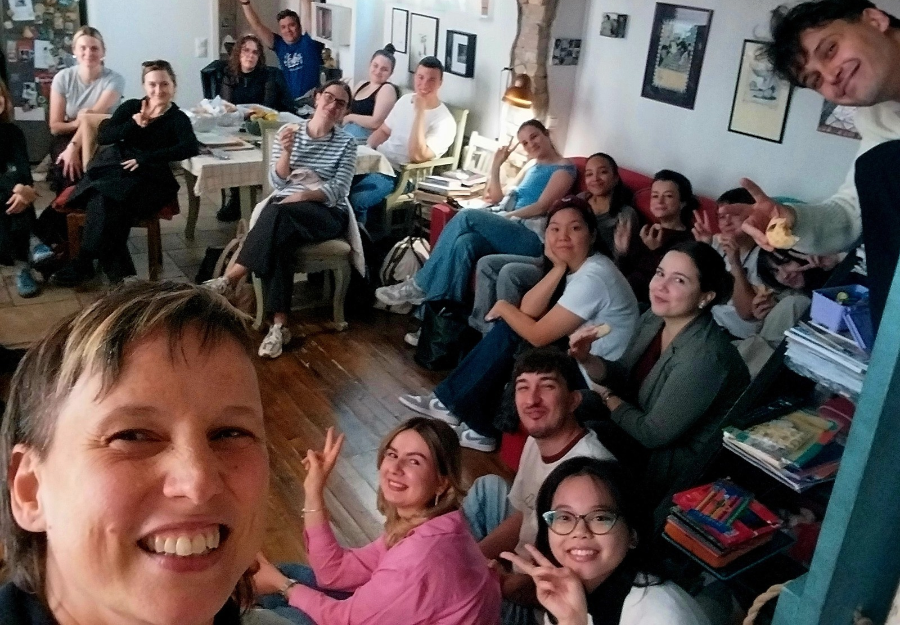
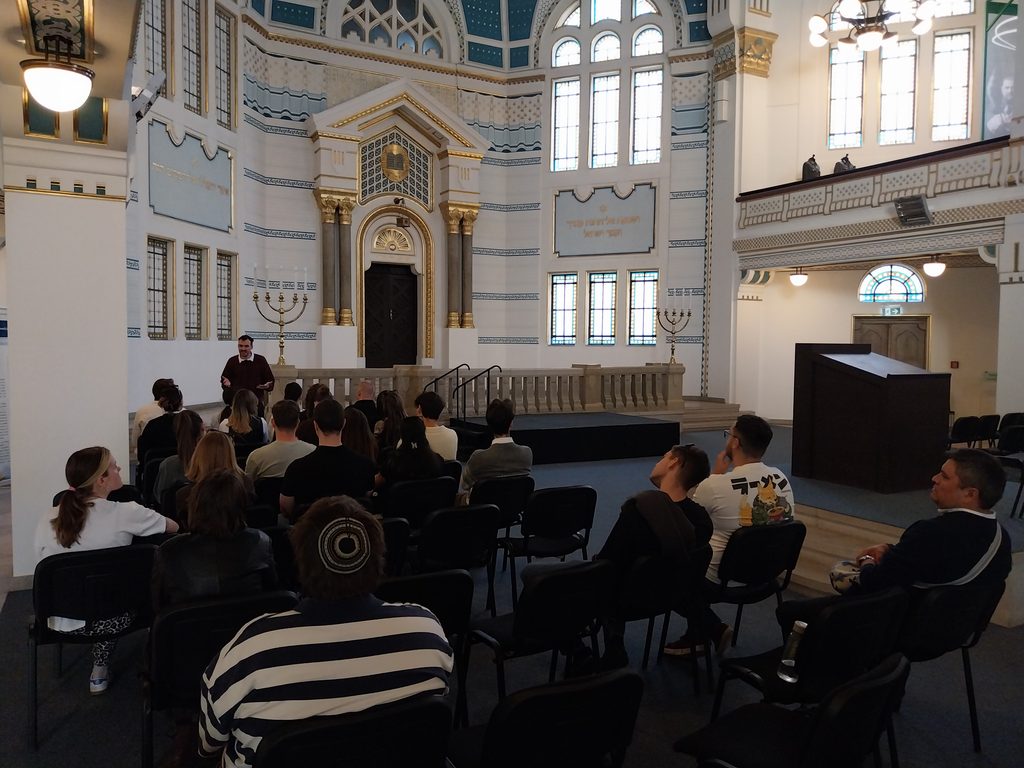
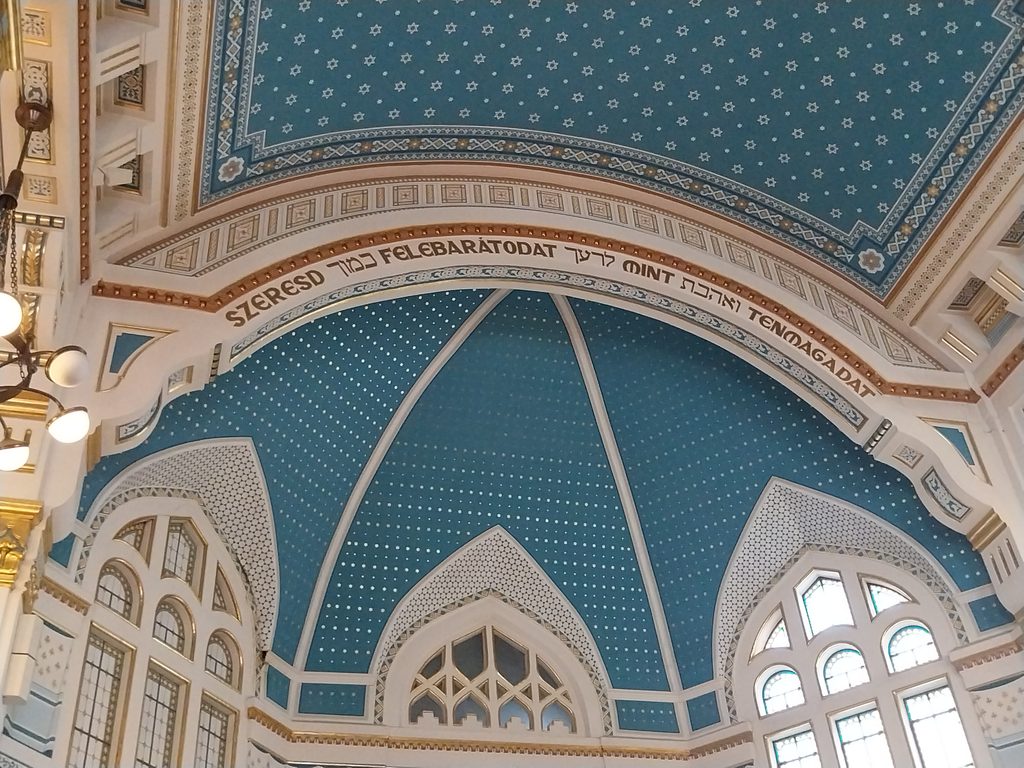
As part of the core elective course ’Regime Types and Human Rights’, a group of students attended two special classes off campus. On 28 September 2026, we visited the Holocaust Memorial Center, and on 12 October 2026, we simulated a “flying university” in Terézváros, the 6th District of Budapest.
During the visit to the Holocaust Memorial Center, a guide from the Center assisted the students in understanding the human suffering caused by the Nazi totalitarian regime, the tools of propaganda, and the operation of the totalitarian state machinery, including collaboration by the local Hungarian authorities. The students had the chance to learn about the Holocaust through insights into family stories. While discussing the post-totalitarian political systems of state socialism, more focus was put on civil society’s resistance.
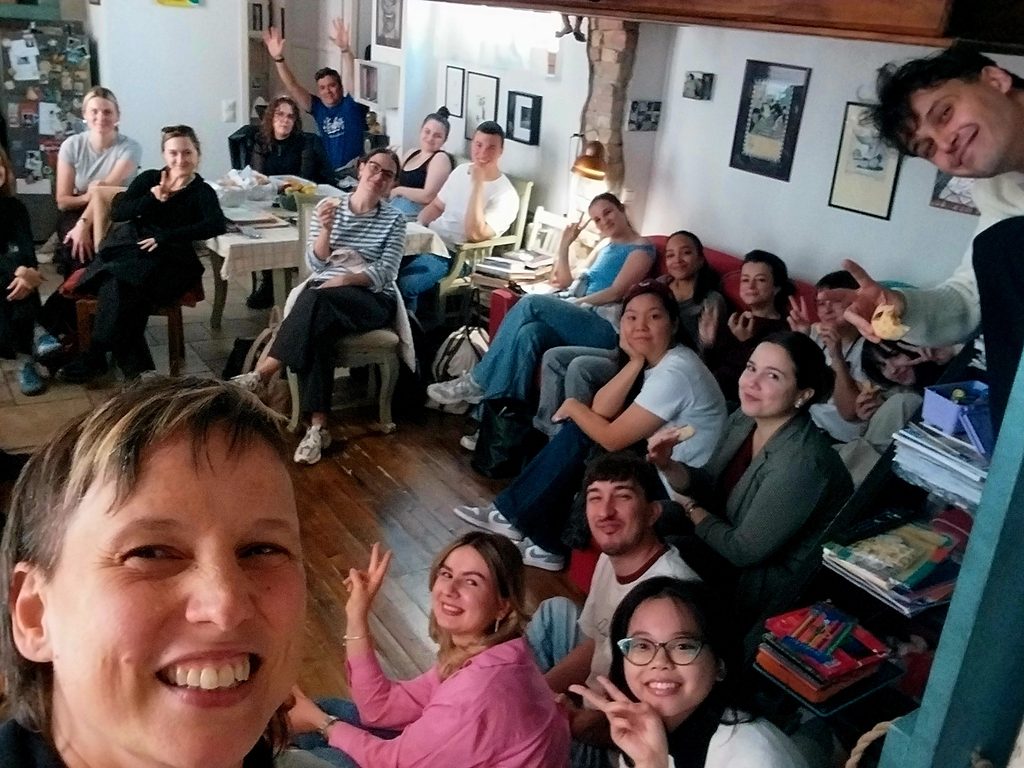
The course leader, Eszter Kirs (Department of International Relations), invited the students to her home to create an environment where participants could sense the atmosphere of underground, uncensored lectures delivered in private apartments under state socialism.
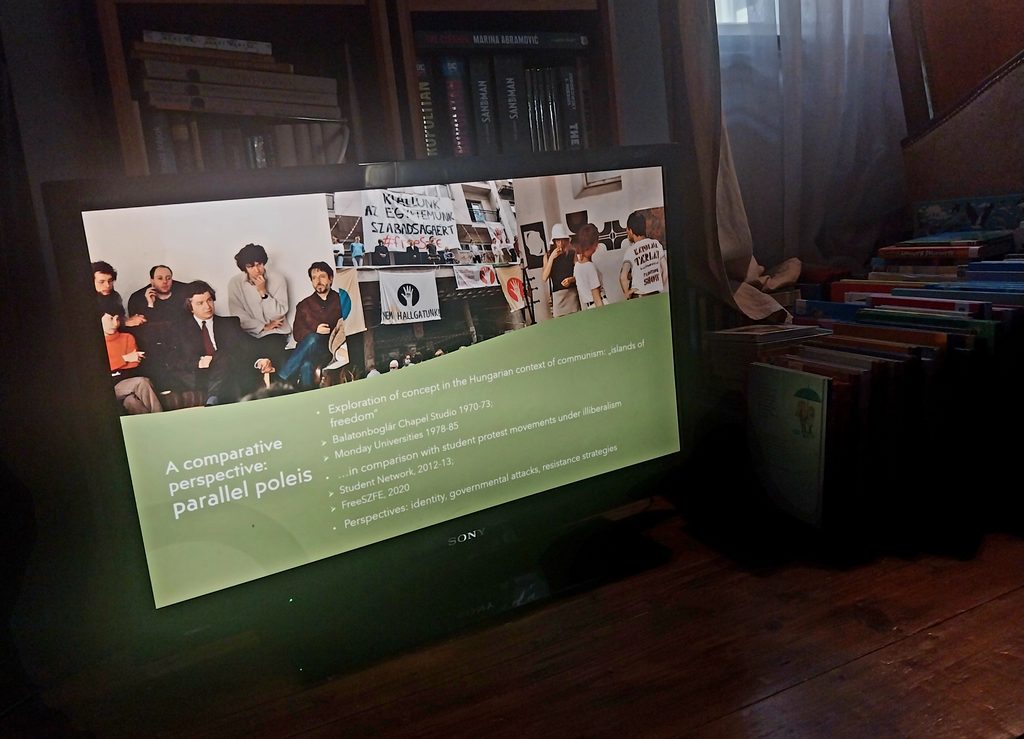
The participants discussed the development of autonomous civil society under state socialism in Central and Eastern Europe. The Polish example of open, uncensored lectures on political and social affairs, known as the Flying Universities, was followed by Hungarian dissidents. Students, professors, and researchers sought access to uncensored information and an open exchange of ideas on critical aspects of history, politics, and social affairs. In the Hungarian context, conversations focused on two non-bureaucratic communities rejecting state policies that repress the free exchange of ideas: the Balatonboglár Chapel Studio and the Monday Free University.
Through this experiential class, participating students had the opportunity to engage in profound reflections on the political reasons behind censorship in state socialism, the pressure of political power on autonomous civil communities, the forms and means of their resistance and resilience, and the atmosphere of underground education. In addition to talks on the development and international collaboration of different “islands of freedom” in culture and education in the 1970s and ‘80s, students had the opportunity to examine pieces from the private samizdat collection of the course leader’s family.