Less Screen Time, More Real-Life Experiences – The Story of OUT!
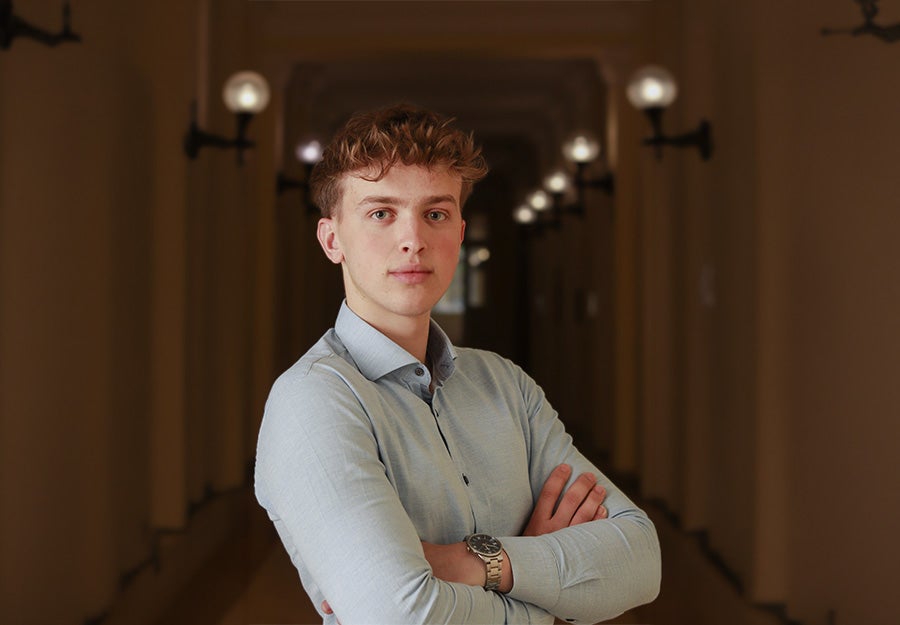
You are a recent graduate of Corvinus, having completed your Bachelor’s degree in Business and Management in winter 2026. Looking back on your university experience, which skills do you think this programme helped you develop the most?
Trauttwein Albert: I chose this programme because I was interested in the world of entrepreneurship. When I looked through the course catalogue, I saw that the university offered a diverse and comprehensive range of knowledge in this field, from financial analysis to marketing. I knew from the start that I wanted to specialise in entrepreneurship from my fifth semester onwards. We explored the process of building a business in depth, and I also had an alumni mentor who gave me a better insight into this world. Together with several fellow students, I also took part in a startup idea competition, where, in addition to valuable advice, I won some initial funding to launch the OUT! app.
What was it about the world of entrepreneurship that attracted you in particular?
Trauttwein Albert: What appealed to me most about entrepreneurship was the opportunity to be creative, innovate and create value. At the age of 17, I took part in a business camp where we worked in teams to develop our own business solutions to a given problem. That experience showed me how much I enjoy brainstorming, exchanging ideas and creating something new together. I was also drawn to the youthful, dynamic atmosphere of startups and the independence they offer: the opportunity to turn our own ideas into reality quickly and come up with solutions to real-life problems.
You started developing the OUT! app during your university years to tackle smartphone addiction. Where did the idea for the app come from?
Trauttwein Albert: The idea also originated at the business camp I mentioned earlier. Our team was brainstorming everyday problems that bothered us, and smartphone addiction came up as one of them. We developed the concept of an app that rewards users with discounts for spending time away from their phones. We won the competition, and I believed in the idea so strongly that I decided to turn it into reality together with a former classmate and another fellow university student.
Today, smartphones have become the primary marketing tool for companies and service providers, which have little incentive to encourage people to put their phones down. How did you manage to convince companies to become your partners?
Trauttwein Albert: Our main value proposition to partner companies is that we help them win back the attention and time of young people, who currently spend much of it online. OUT! promotes traditional leisure activities – such as reading books, going to the theatre, visiting escape rooms or travelling – that are increasingly being pushed into the background by social media. Through OUT!, our partners can reach more mindful young consumers via a communication channel built around shared values. When spending time away from their phones, these users can discover and choose our partners‘ services and products.
The OUT! app currently has more than 39,000 users. At what point did the business become financially sustainable?
Trauttwein Albert: We operated at a loss during the first five to six months, mainly due to the initial development costs. We also supported the organic growth of our user base through guerrilla marketing activities, competitions and campaigns. Once we had reached our first few thousand users, major international brands such as MyProtein, FlixBus and Bolt became interested in working with us. These partnerships eventually enabled us to turn the business from loss-making to profitable.
What advice would you give students who are thinking about launching their own startup? What key milestones do they need to reach, and based on your experience, which challenges are worth pushing through rather than giving up?
Trauttwein Albert: The biggest challenge for us was developing the first working version of the app. At one point, progress stalled, we ran out of money, and we seriously considered giving up. In the end, however, we persevered and managed to move forward. Looking back, we also realise that we should have spent much more time validating the idea and its features with potential users before starting development.
My advice to aspiring entrepreneurs would be to dare to dream big, believe in their ideas and not hesitate to approach even large companies. Confidence in your vision and determination can go a long way towards convincing potential partners, too.