Emotions and habit are the strongest drivers of bottle returns
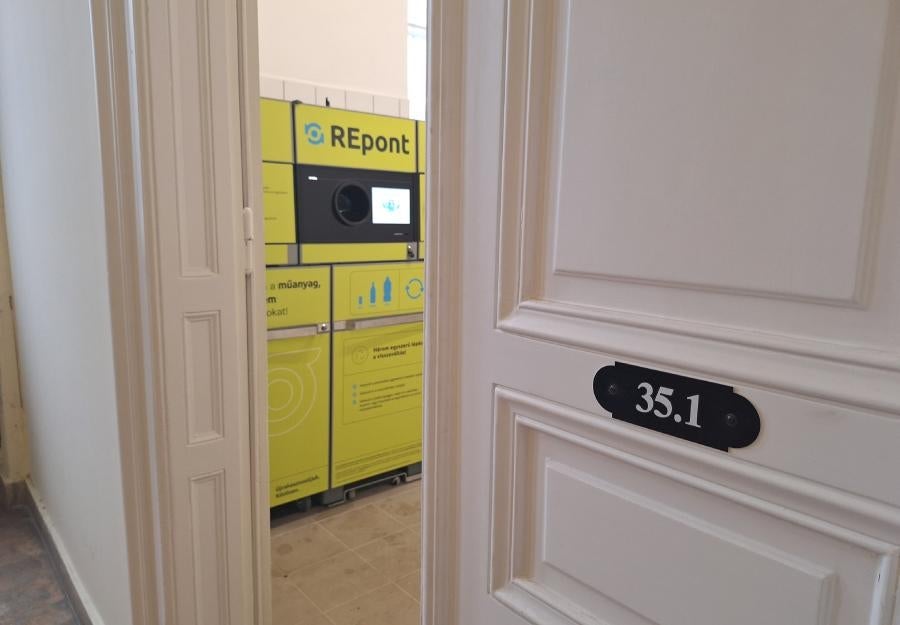
Deposit-return systems can work sustainably in the long term when consumers incorporate bottle returns into their everyday routines, with emotions also playing an important role in this process. This is the conclusion reached by József Ráti (ELTE) and Zalán Márk Maró (Corvinus), who examined the use of Hungary’s REpont system in a survey of 2,665 people. Their study was published in Resources, Conservation & Recycling Advances.
The results show that emotional and behavioural factors are most strongly associated with use of the system. A positive emotional experience contributes to a more favourable perception of REpont, which in turn strengthens people’s intention to return bottles and helps the behaviour become routine. These factors ultimately lead to more regular use of the system. However, users’ favourable or unfavourable evaluation of the REpont system had only a more moderate direct effect on their actual behaviour.
If consumers consider the REpont system effective and useful, returning bottles is more likely to become part of their everyday habits. Therefore, the long-term success of REpont may depend not only on convenient use, but also on creating a positive user experience and encouraging repeated behaviour.
“We cannot be satisfied with simply explaining the technical and economic aspects of the system, as we also identified groups whose members were better informed than average about REpont, yet actually used it less frequently,” said Zalán Márk Maró, one of the authors of the study and Assistant Professor at Corvinus.
Respondents living in Budapest and those with a university degree reported less frequent use of the system despite having higher levels of awareness than people living in smaller towns or villages, and those with secondary education. The researchers found no statistically significant differences by gender, age or income.
According to the authors, the further development of the REpont system should focus on ensuring that return locations are clean, easily accessible and not overly crowded. Increasing the number of return points, improving the maintenance of machines, and reducing queues and technical failures could also support more regular use.
Communication could place greater emphasis on the social and environmental benefits of bottle returns, while also inspiring users and helping them feel proud of taking part. For example, machine displays or the REpont app could show how much waste or carbon dioxide emissions are avoided through returns. This could help turn bottle returning into a positive experience and, over time, a lasting habit.