Political polarization can make corruption harder to punish, research finds
When loyalty to a political camp becomes more important than accountability, voters may be less inclined to punish corruption by politicians they support. This, in turn, can make it easier for corrupt leaders to remain in power.
In well-functioning democracies, ideological polarization can sometimes strengthen accountability, as rival parties have greater incentives to expose each other’s misconduct. But the effect changes when political divisions become predominantly emotional.
When voters view the success of the opposing camp as a significant personal or political loss, they may become more tolerant of wrongdoing on their own side — even when they are aware that corruption has taken place.
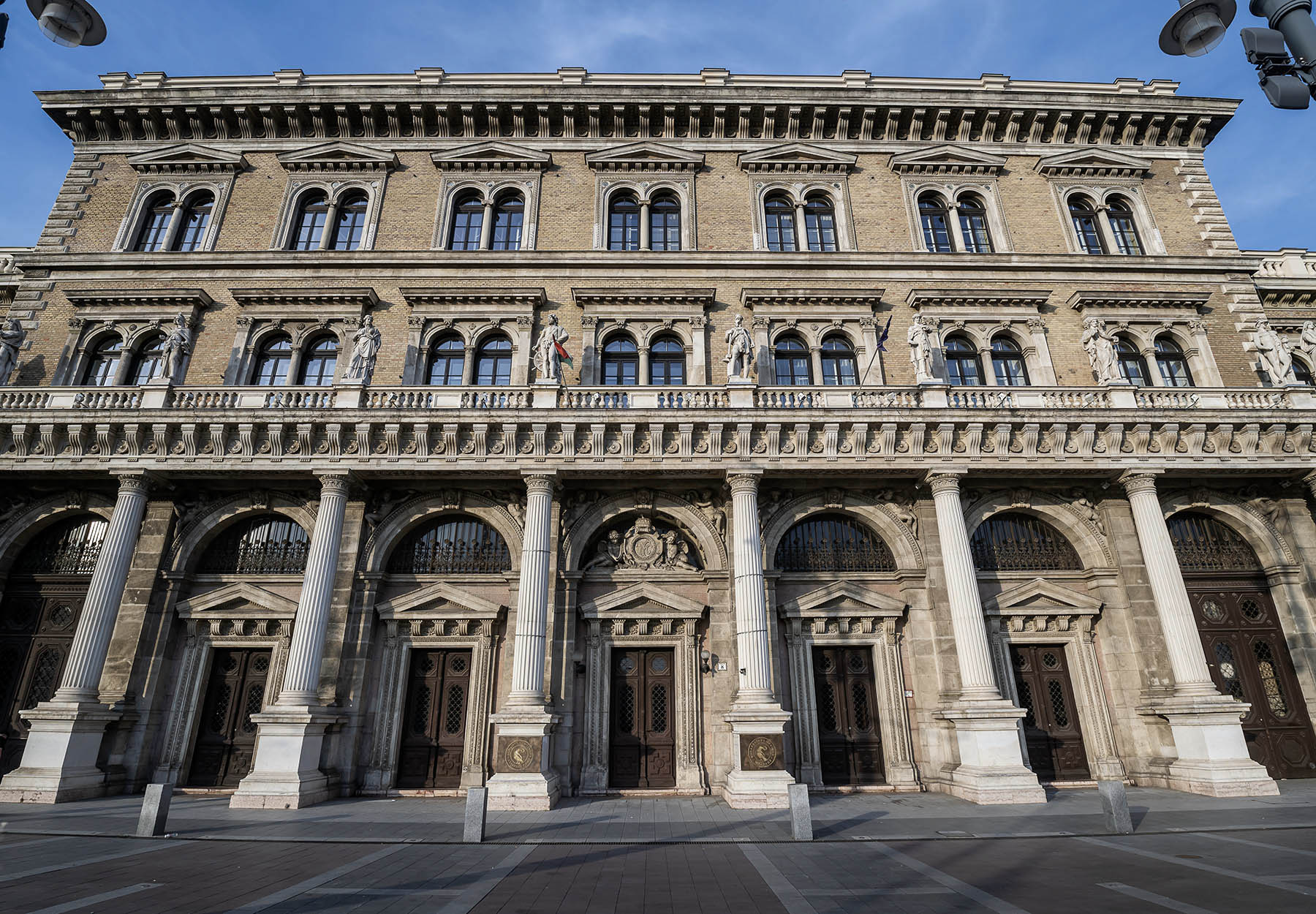
The findings come from an EKÖP (University Research Scholarship Programme) project at Corvinus University examining the relationship between political polarization and corruption, and the extent to which that relationship depends on the type and strength of political institutions.
The project produced two academic papers using different research approaches. Both studies reached broadly similar conclusions, which the researchers say increases confidence in the overall findings. In a study published in Political Studies, Áron Hajnal analysed data from 153 countries. A second paper, published in East European Politics and co-authored by Áron Hajnal, Aslinur Inalci and Veronika Patkós, focused on Hungary and Turkey.
The research suggests that the link between polarization and corruption becomes stronger as democratic institutions weaken. Where independent media, courts and other oversight bodies are less effective, corruption scandals are less likely to result in political or legal consequences. In Hungary and Turkey, growing polarization increasingly undermined accountability as democratic institutions weakened.
“Corruption is difficult to legitimize when democratic institutions function effectively. This becomes possible only when a regime has substantial control over the media and can shape dominant narratives, while also exerting enough influence over the judiciary to prevent investigations that could impose significant political costs on those in power,” said Áron Hajnal, lead author of the research.
The researchers argue that competitive authoritarian regimes – where elections and genuine opposition still exist but the political playing field is heavily tilted in favour of the government – can create a self-reinforcing cycle. Political leaders may have an incentive to deepen polarization because highly divided voters are less likely to punish misconduct by their own side. Corruption can then help those in power consolidate their position further and weaken the remaining democratic checks and balances.
The authors also note that the Tisza Party’s victory in Hungary this year raises further questions about the conditions under which voters may overcome partisan divisions and punish corruption. One of the party’s central campaign promises was to hold corrupt political leaders accountable.
Overall, the research suggests that the impact of polarization on corruption is not uniform across political systems. Institutional context plays a decisive role in determining whether political competition strengthens accountability or allows corruption to persist.