Students and faculty members in the Entrepreneurship specialisation visited Szeged and the surrounding area
The study trip has become a long-standing tradition of the specialisation, providing students with an opportunity to complement the knowledge gained in the classroom with first-hand experience of how Hungarian businesses operate in practice. The students were accompanied by lecturers of the specialisation, Katalin Mihalkovné Szakács, Attila Petheő, Krisztofer Szabó, Gábor Kerékgyártó and Endre Molnár. During the study trip, the group visited four companies with different histories and business models in Szeged and the surrounding area.
Nearly Seven Decades of Experience and Modern Technology — Florin Ltd.
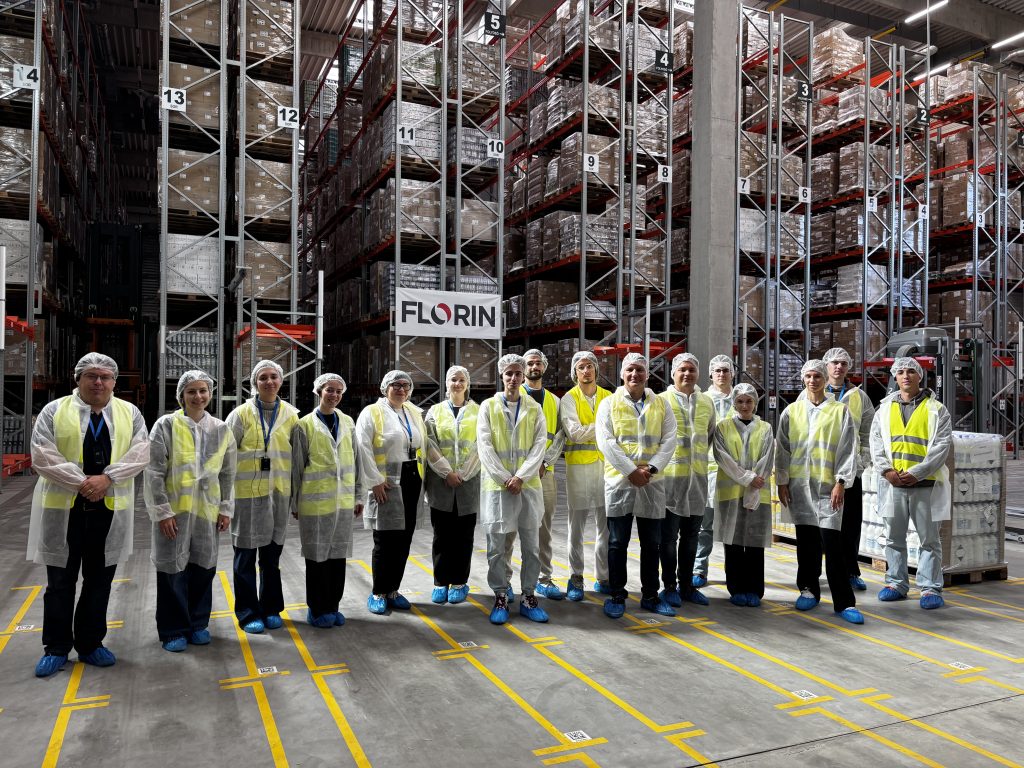
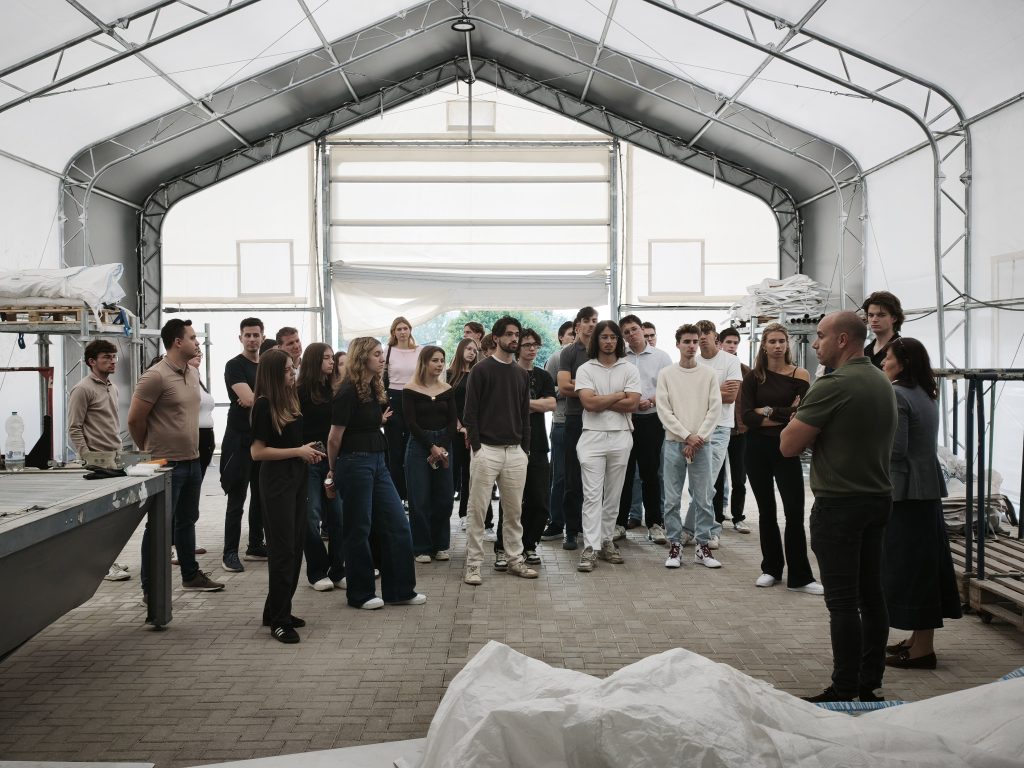
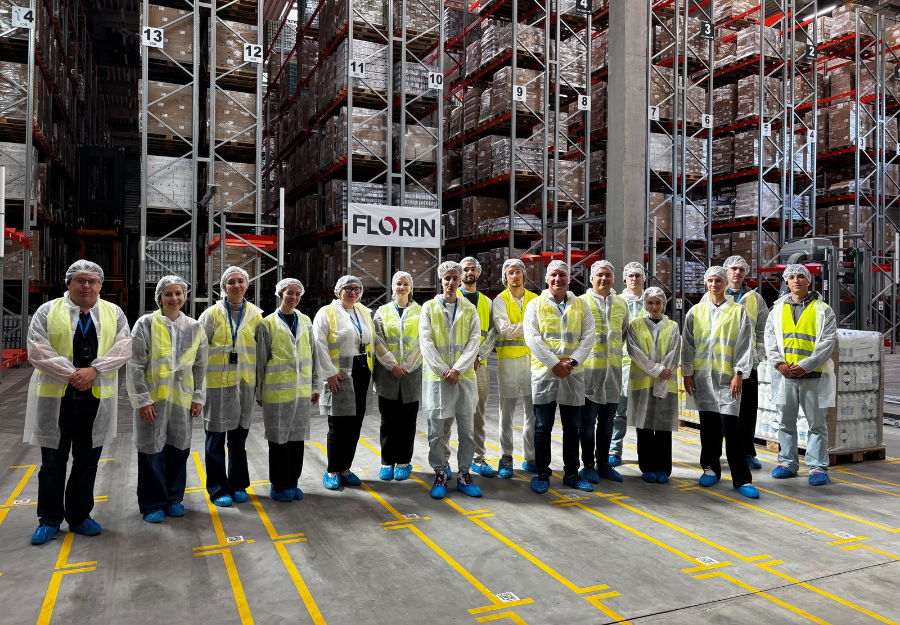
The first stop of the study trip was Florin Ltd. in Szeged. Founded in 1957 and still 100% Hungarian-owned, the company manufactures cosmetics, household cleaning and hygiene products. In addition to its own brands, Florin also conducts significant contract manufacturing for Hungarian and international partners.
During the visit, students were able to follow the various stages of the manufacturing process, with particular emphasis placed on recent technological developments, automation, and robotisation. Florin provided an excellent example of how a Hungarian company with decades of experience can continuously adapt to a changing market environment through ongoing development, improve its productivity, and serve both its own brand markets and those of major corporate partners. The visit also provided a tangible example of how technological innovation is by no means limited to the world of start-ups: it can be an equally important factor in maintaining the competitiveness of a business operating in a traditional industry.
From Family Business to International Player — Pacapime Ltd.
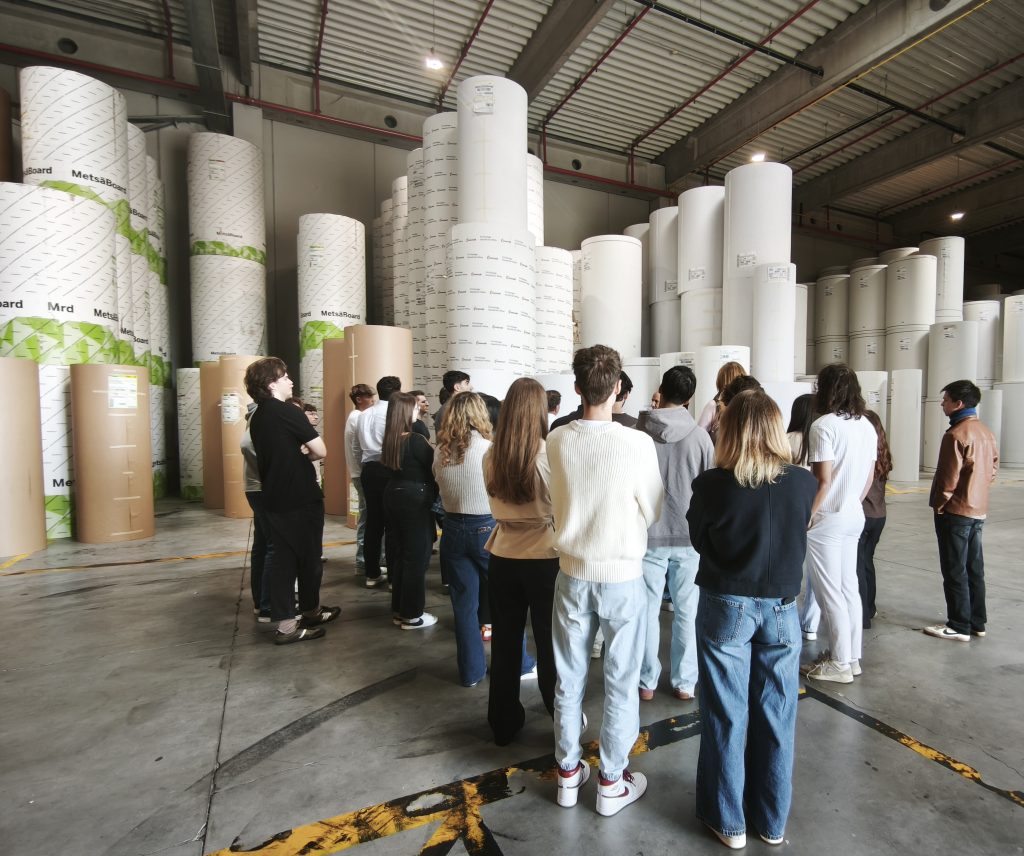
The next stop was Pacapime Ltd. in Mórahalom, one of Hungary’s significant manufacturers of corrugated cardboard packaging. What makes Pacapime particularly distinctive is that, as a fourth-generation family business, it builds on more than a century of accumulated expertise while operating with modern technologies and serving international markets.
During discussions with the company’s management, students gained insights not only into the manufacturing processes and technological background of the business, but also into the strategic issues faced by family-owned companies. International expansion was a particularly interesting topic, including the experiences, opportunities and challenges associated with entering the Romanian market. The company’s story demonstrated how long-term family-oriented thinking, knowledge accumulated across generations, strategic planning and continuous technological development can complement one another.
A Hungarian Company within a Global Corporate Group — Royal LC Packaging
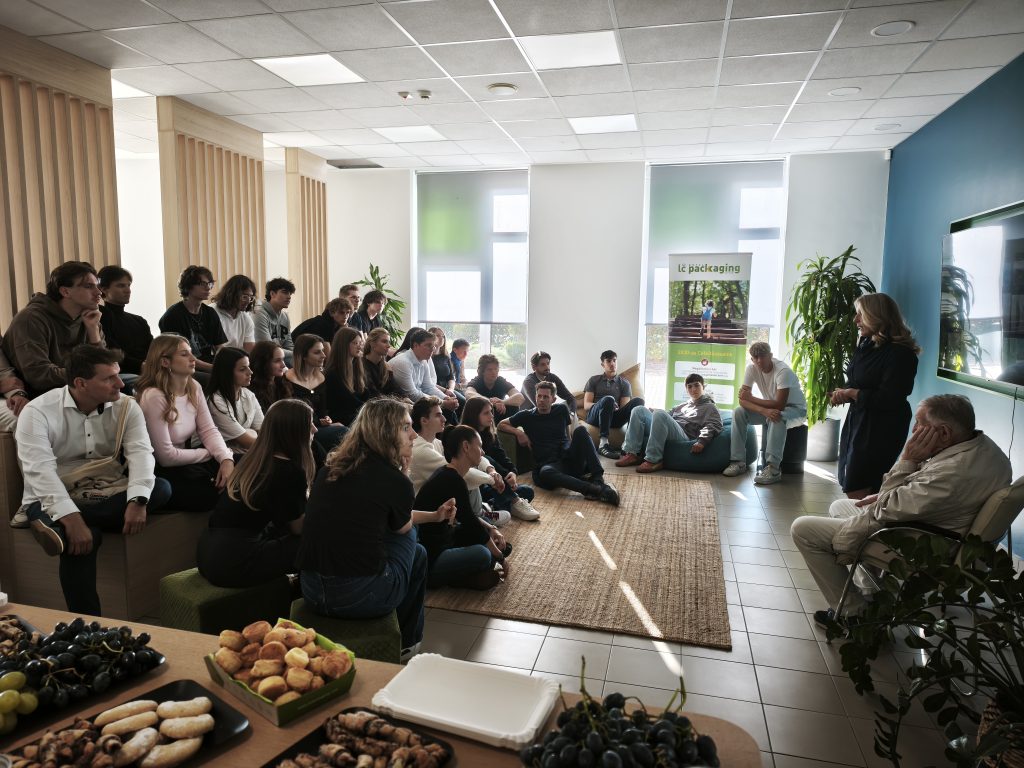
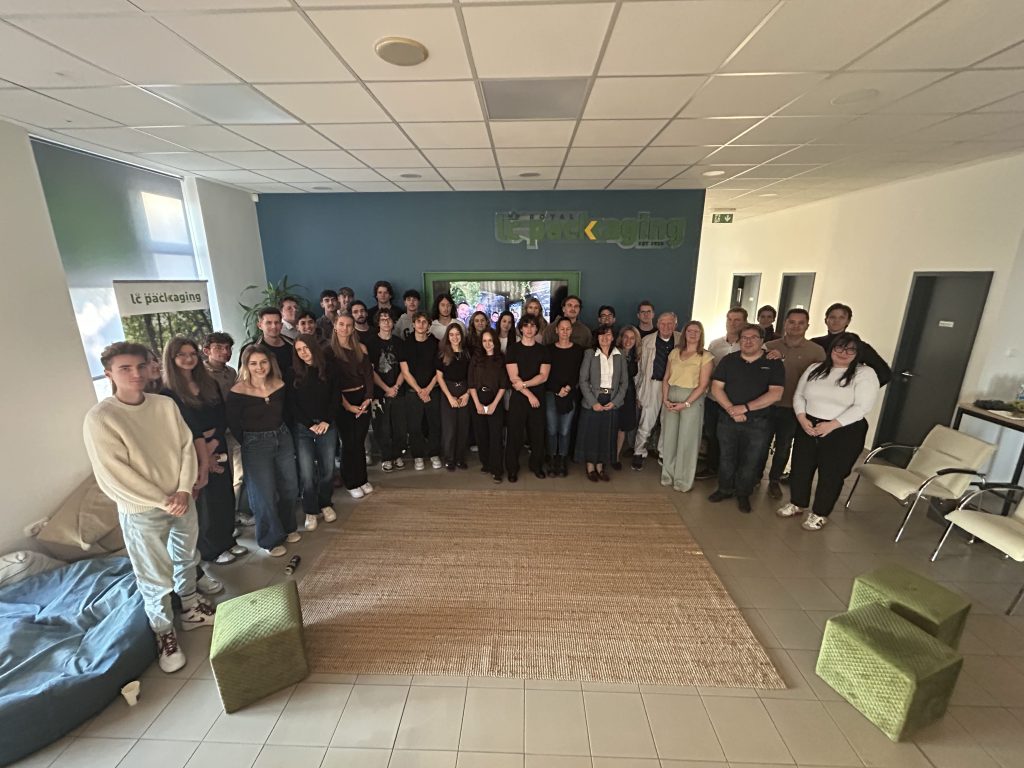
The next stop of the professional programme was also in Mórahalom, where students and lecturers visited LC Packaging’s Hungarian operation. With Dutch roots and a history spanning more than a century, the international corporate group is now present across several continents and in 15 countries, providing packaging solutions to a wide range of industries and international partners.
The visit offered a particularly interesting perspective on how a Hungarian company can operate as part of a global corporate group. Students learned about the company’s development and its business and management practices, while also gaining insights into the role that younger generations can play in renewing a long-established business. Alongside generational succession, the discussion also highlighted the role of women in entrepreneurship and management, allowing students to explore the human side of business leadership through personal stories and experiences.
Turning Tradition into Business — PaprikaMolnár Ltd.
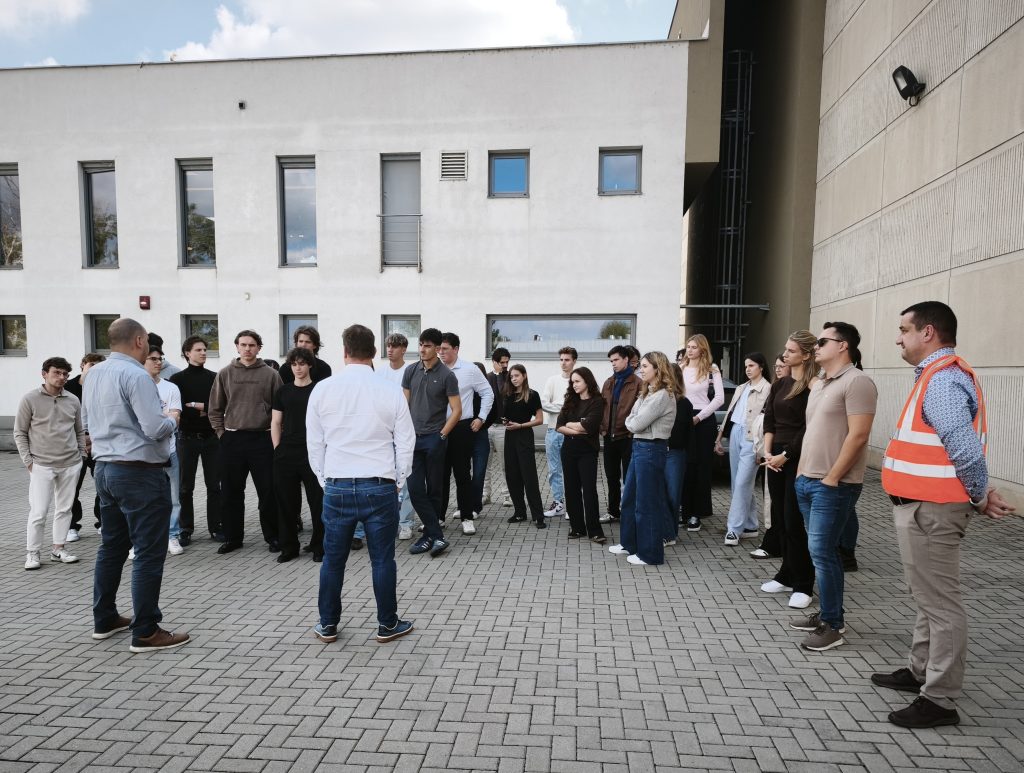
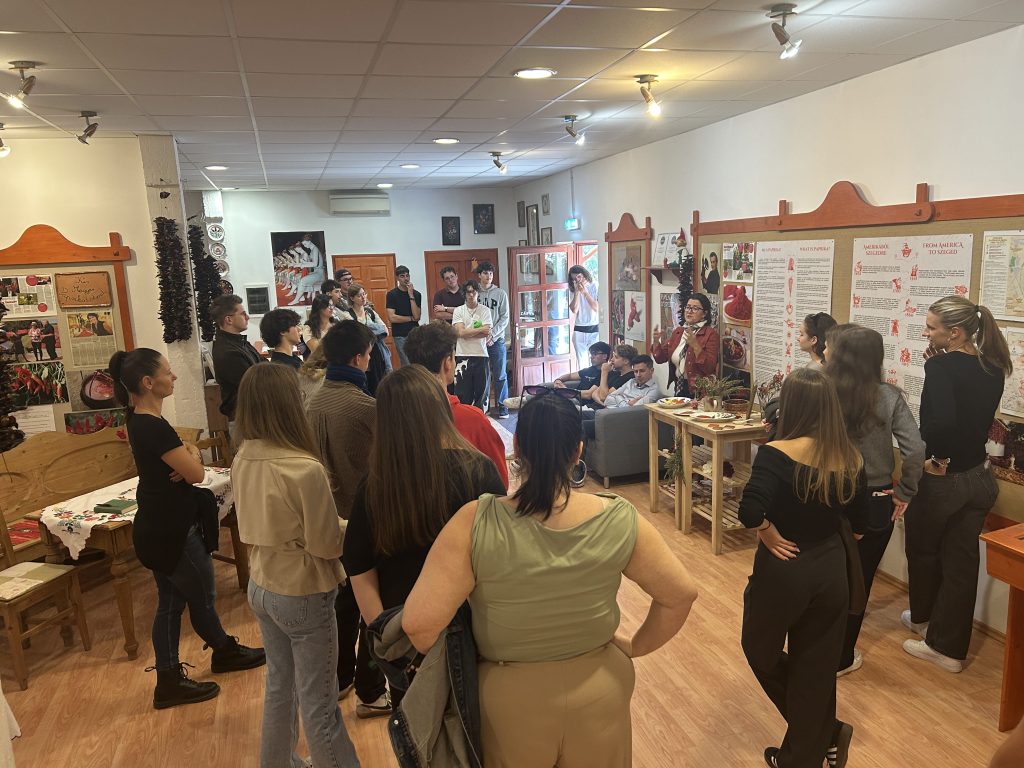
The two-day professional programme concluded in Röszke at PaprikaMolnár Ltd. The family business continues the tradition of Szeged paprika production: in addition to operating a paprika processing facility, the company has also established the Paprika Mill and Museum, where visitors can learn about nearly two centuries of paprika culture in Szeged and Hungary.
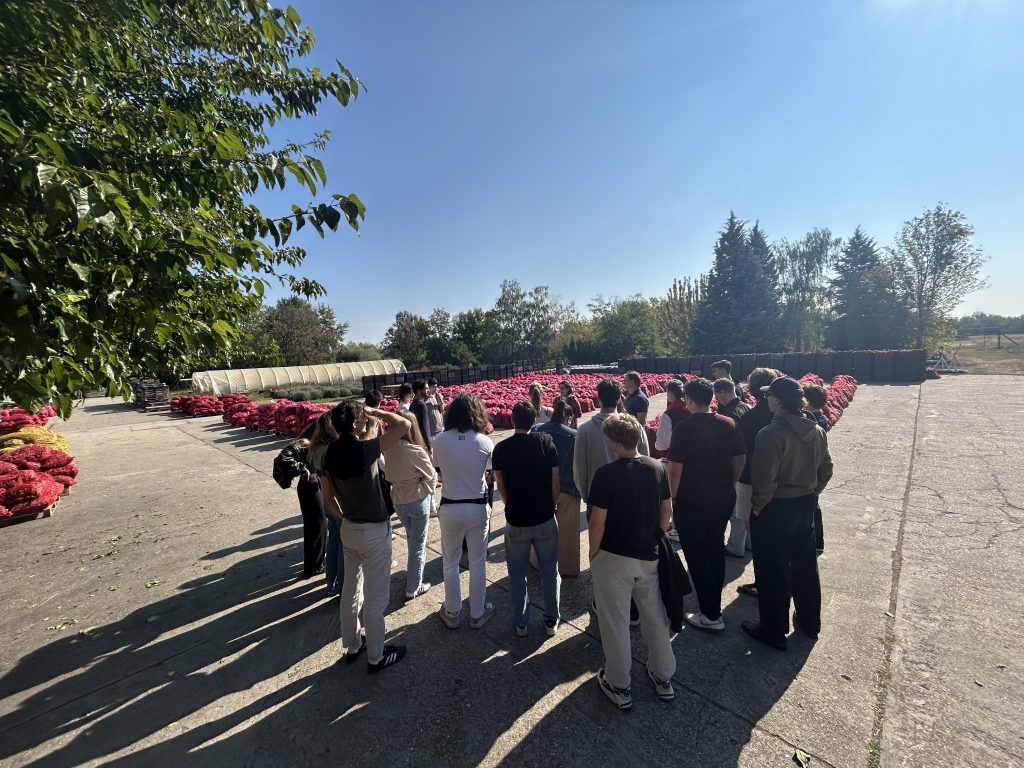
During the visit, students learned about the different stages of paprika processing, the history of the family business, and the current challenges facing the industry. A particularly interesting question was how a product deeply rooted in tradition and closely connected to the region’s identity can remain viable in a changing economic and consumer environment. The programme concluded with a tasting of paprika and other local products, allowing students to experience one of the region’s best-known traditional products not only from a professional but also from a gastronomic perspective.
More Than Company Visits: Building a Community
Another important objective of the two-day programme was to give students and lecturers an opportunity to get to know one another better outside the university environment and to build a community that can support them throughout the semester, in future activities of the specialisation, and, hopefully, well beyond.
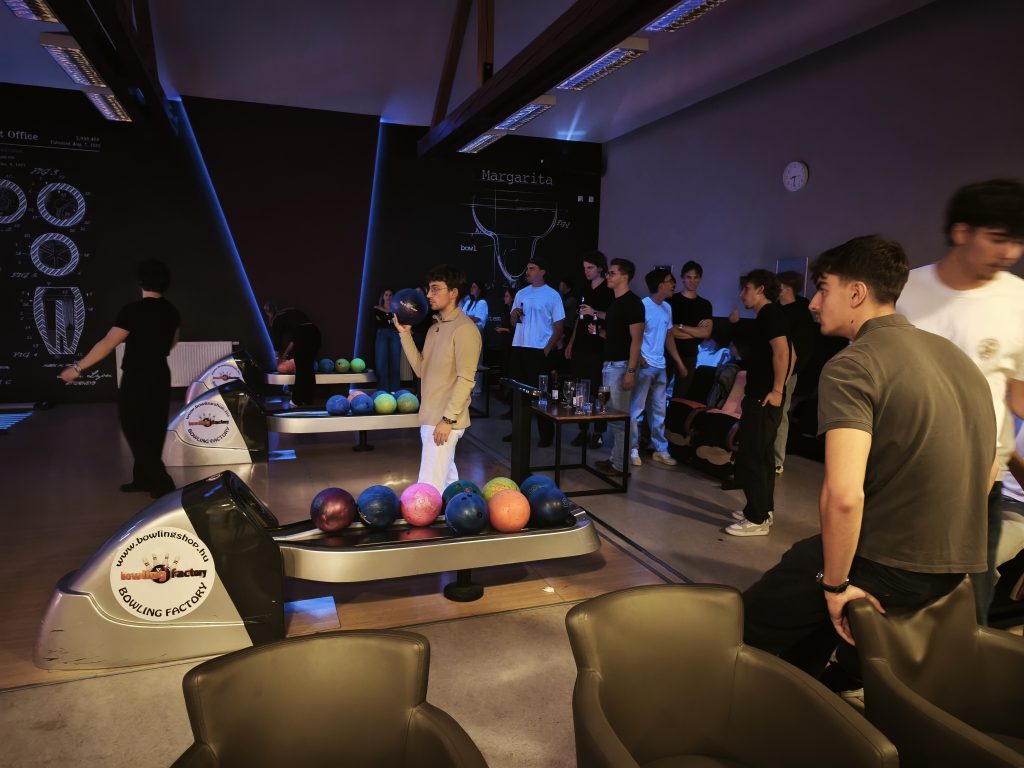
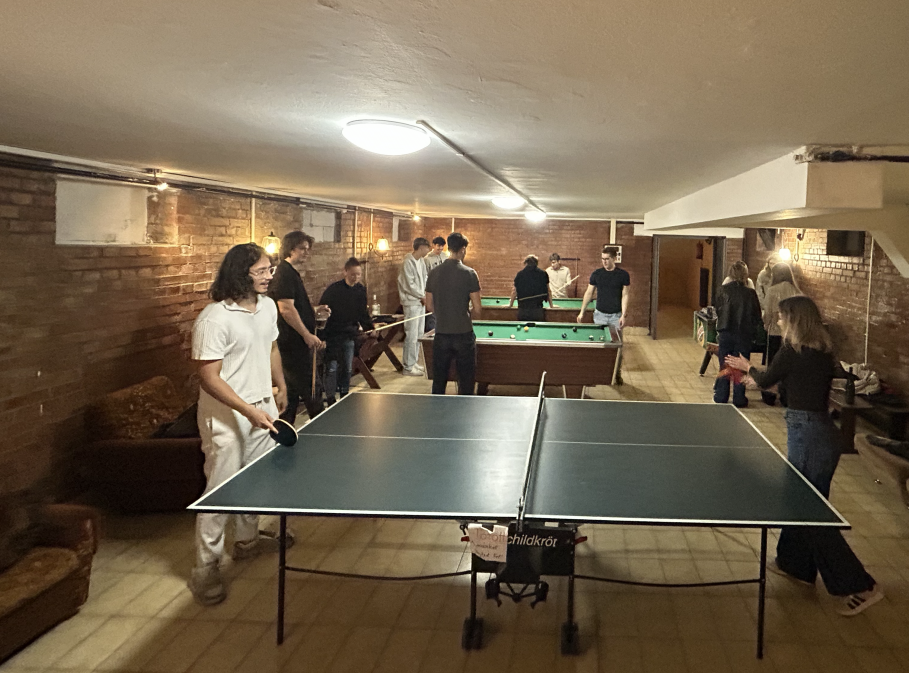
Despite the busy professional schedule, there was also time for shared meals and informal activities. Sightseeing in Szeged, as well as bowling, billiards, table football and table tennis, provided opportunities for students and lecturers to spend time together in a more relaxed environment, further strengthening the community of the specialisation.
Over the two-day trip, students encountered four very different entrepreneurial stories, through which they learned that long-term business success requires not only traditions and accumulated knowledge, but also continuous adaptation, development, an entrepreneurial mindset and the involvement of future generations.
The study trip was made possible with the support of Corvinus, for which the organisers are grateful.