From Sharing to Collective Action – PRME CEE Chapter Annual Meeting 2026

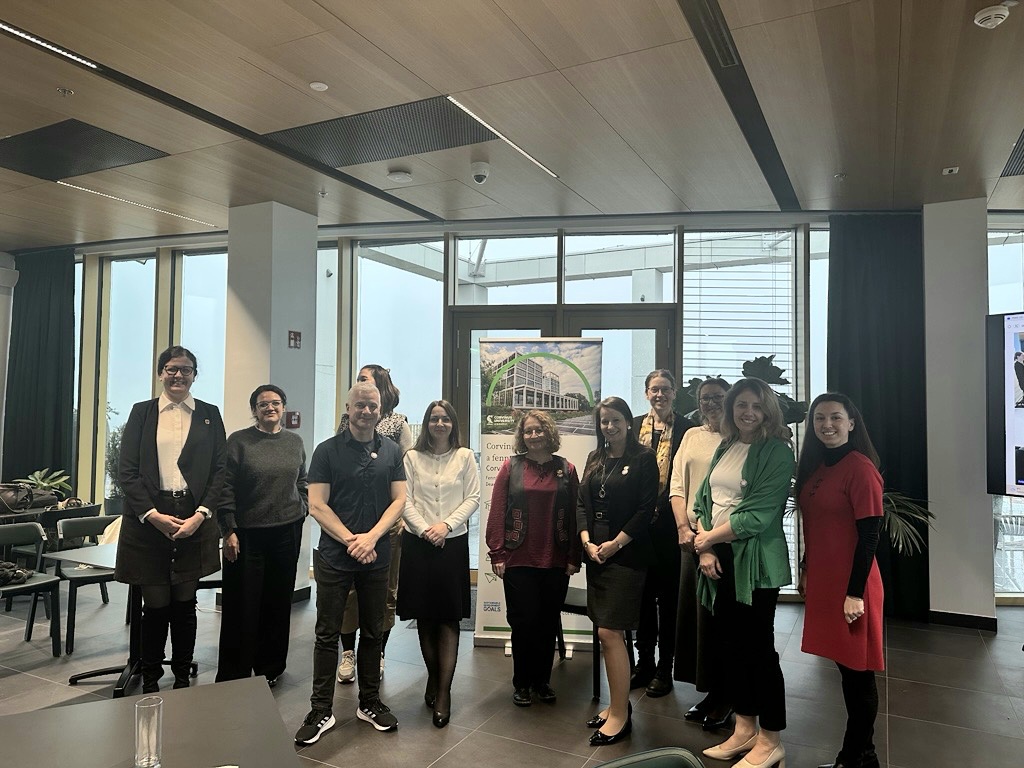
The meeting was officially opened by Katalin Ásványi, Chair of the PRME CEE Chapter, and Zsófia Nemes, Secretary of the Chapter.
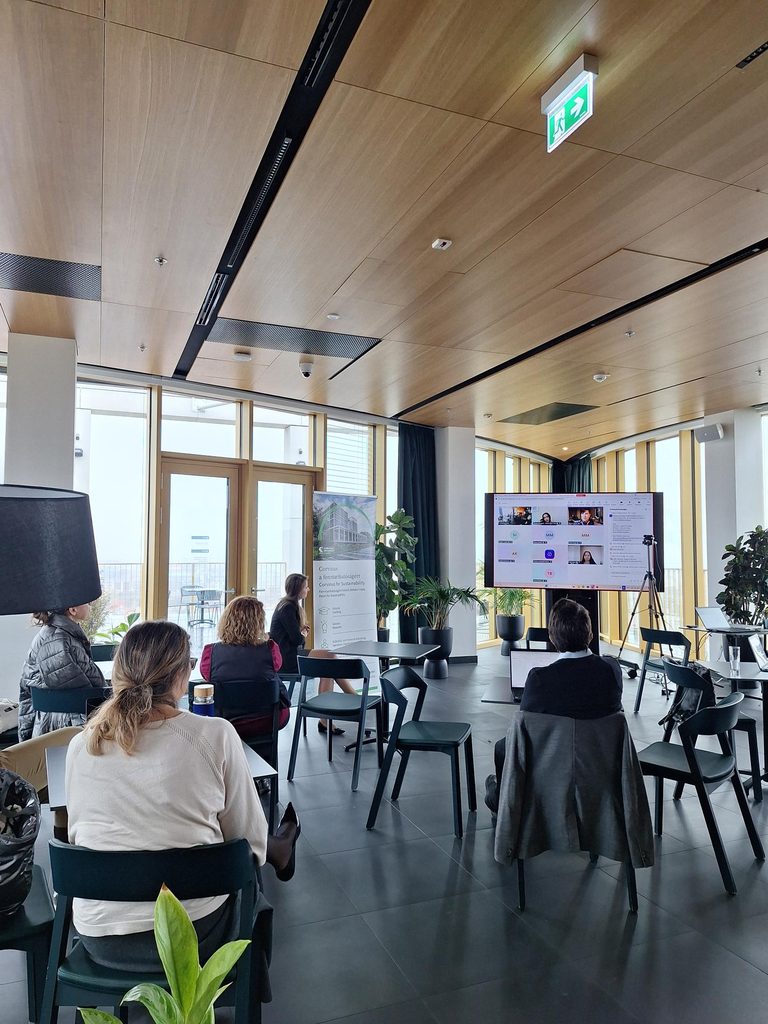
Held under the theme From Sharing to Collective Action, the meeting provided a valuable opportunity to review the organisation’s achievements, exchange experiences and good practices, and explore how regional collaboration can be further strengthened and shared ambitions translated into concrete action.
The event welcomed colleagues from Croatia, Slovenia and Ukraine, as well as representatives of three other Hungarian universities (Budapest University of Economics and Business; Budapest University of Technology and Economics; University of Pécs), alongside Corvinus participants. Thanks to the hybrid format, an even wider international community was able to join. Participants included representatives of IEDC Bled (Slovenia), another PRME Champion institution, Riga Technical University (Latvia), Prague University of Economics and Business (Czechia), Grigol Robakidze University (Georgia), the University of Belgrade (Serbia), the University of Maribor (Slovenia), and CEEMAN, among others.
In addition to the PRME Signatories, the event also welcomed representatives of the Hungarian Universities’ Sustainability Platform from the University of Pannonia in Veszprém and MATE (Hungarian University of Agriculture and Life Sciences).
Throughout the day, participants explored a wide range of current topics, from the evolving social impact of higher education and institutional sustainability practices to digital carbon footprints, student engagement, and opportunities for joint research and educational initiatives.
The programme also featured a presentation of Carbon.Crane, a Hungarian start-up developing pioneering solutions for digital carbon footprint calculation and optimisation. Furthermore, the findings of a new joint Corvinus research project assessing the websites of Central and Eastern European universities were presented and discussed with the contribution of György Huszics, the company’s founder and CEO.
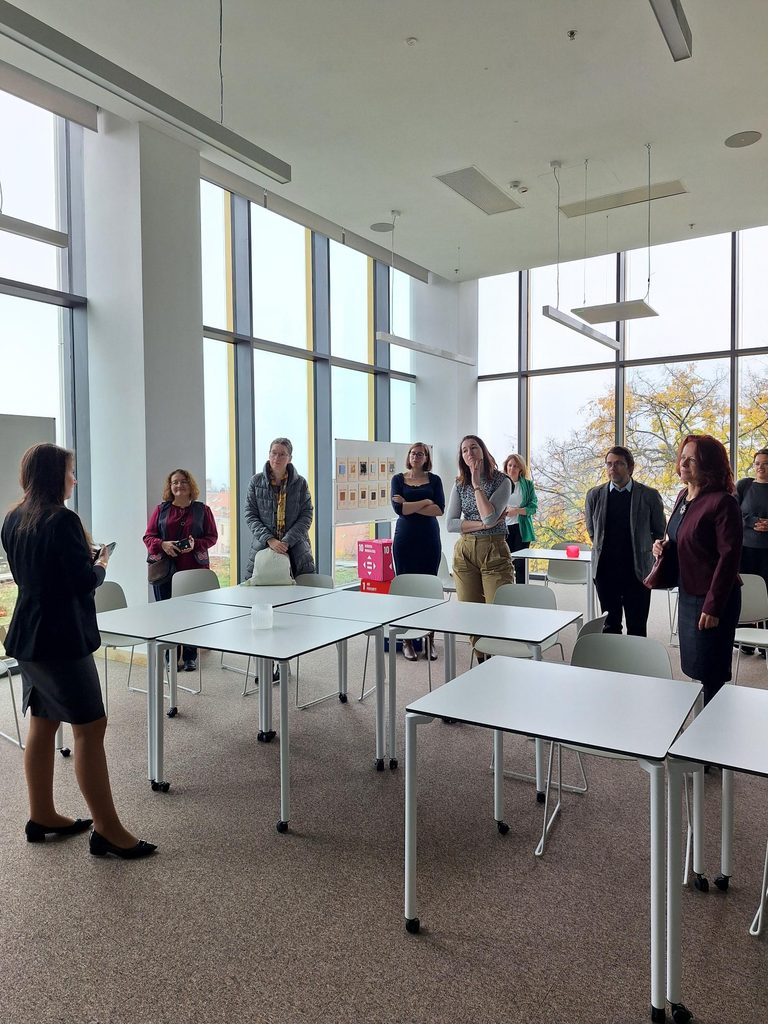
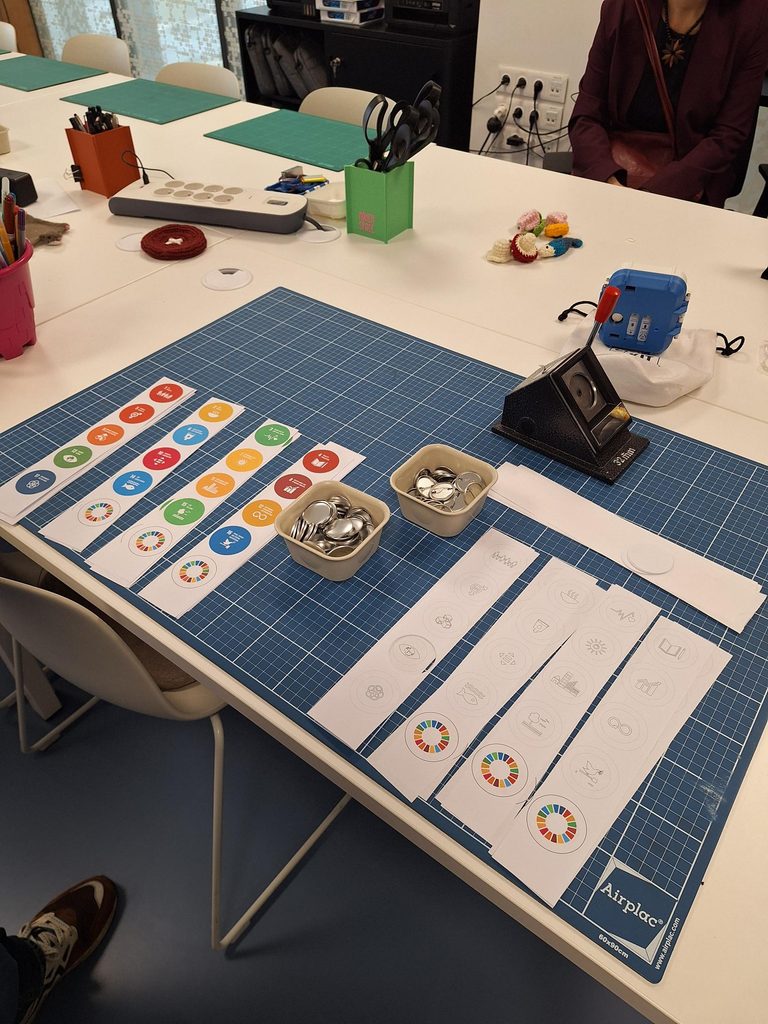
One of the particularly exciting parts of the programme was a visit to the AI–Sustainability Lab and Makerspace. The latter offered participants a hands-on creative experience, allowing them to design and make their own customised pins inspired by the United Nations Sustainable Development Goals (SDGs).
The student perspective also received particular attention. Rahma Ben Lazreg, PRME’s recently elected European Student Leader, shared her insights on strengthening connections among students across Europe and the Central and Eastern European region, highlighting opportunities to further enhance student engagement and student-led collaboration.
The organisers and participants also had the honour of welcoming David Steingard, Head of PRME Global, who shared important updates on the strategic vision and future plans of the partnership between the UN Global Compact and PRME. These included the upcoming 2027 PRME Global Forum, during which PRME will celebrate its 20th anniversary.