NEURUS Experience – Fanni Sipos
My name is Fanni Sipos, and I am a final-year PhD student in the Urban and Environmental Policy Studies Doctoral Program at the Doctoral School of International Relations and Political Science. During the spring of 2026, I had the privilege of participating in the NEURUS Program, which gave me the opportunity to spend three months at Arizona State University (ASU) researching my doctoral topic: brownfield regeneration.
My journey to Arizona was a little more adventurous than I had expected. I had applied for the NEURUS Program once before, but the competition was exceptionally strong. As only one student could receive the scholarship, I was ultimately unsuccessful. Last year, I had not planned to apply again. However, in August, I received an email informing me that the previously selected candidate had withdrawn and the application process had reopened. I decided to give it another try. This second attempt proved successful, and I was awarded the research scholarship. I share this story because I would like to encourage every student not to be discouraged by an unsuccessful first application. Not being selected does not mean that your proposal was not good enough or that you did not deserve the opportunity. Programs like NEURUS attract many outstanding applicants while offering only a very limited number of places. Persistence truly pays off—as my own experience demonstrates.
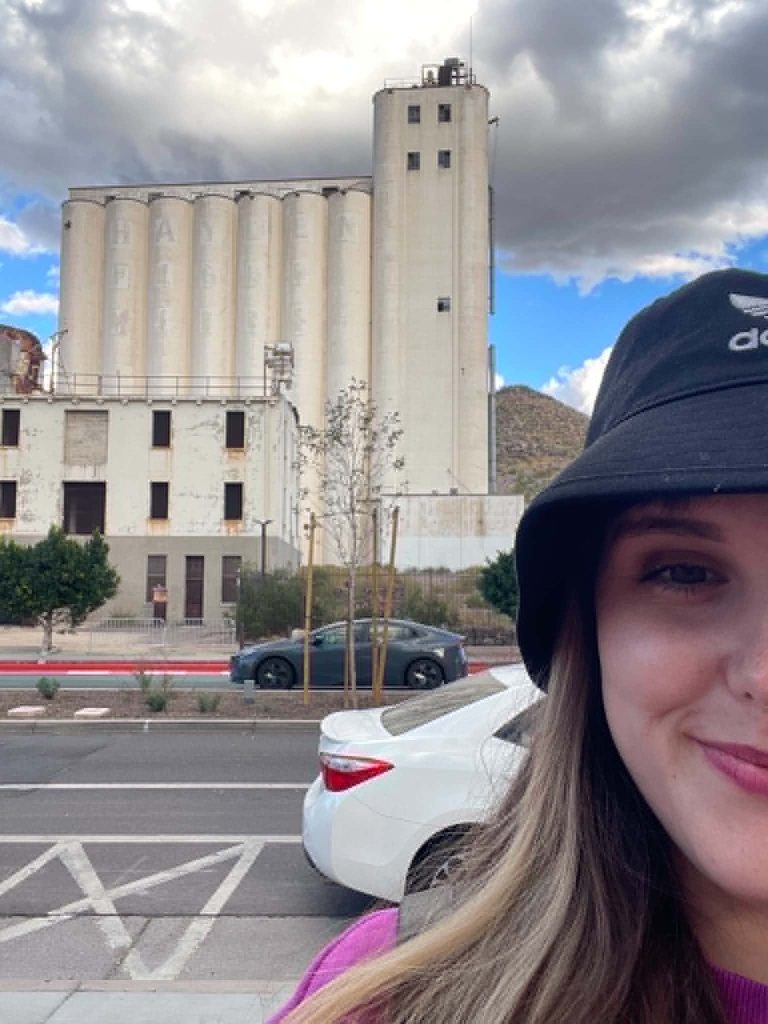
On 9 February, I left the freezing Hungarian winter behind and flew to Arizona. My flight landed in Phoenix at 9 p.m., and I soon settled in Tempe, where both Arizona State University and my accommodation were located. During my stay, I focused my research on the Hayden Flour Mill, a former industrial mill located in downtown Tempe. For several years, I have been interested in a fundamental urban development question: why do underutilized or abandoned brownfield sites continue to exist within highly integrated and economically developed urban areas, despite their strategic locations and historical significance?
Over the course of three months, I conducted seven semi-structured interviews with experts and local stakeholders involved in the future of the Hayden Flour Mill. One of my first questions in nearly every interview was simple: Why is the mill so important to the local community? One of the most genuine responses I received was: “People like to connect with places that have meaning and history.” This simple statement captures an important reality. Local communities often develop strong emotional attachments to historic industrial sites, which can become an important part of their collective identity. As a result, regenerating industrial heritage is not merely a matter of urban planning, real estate development, or economic investment. It is equally a social and cultural process.
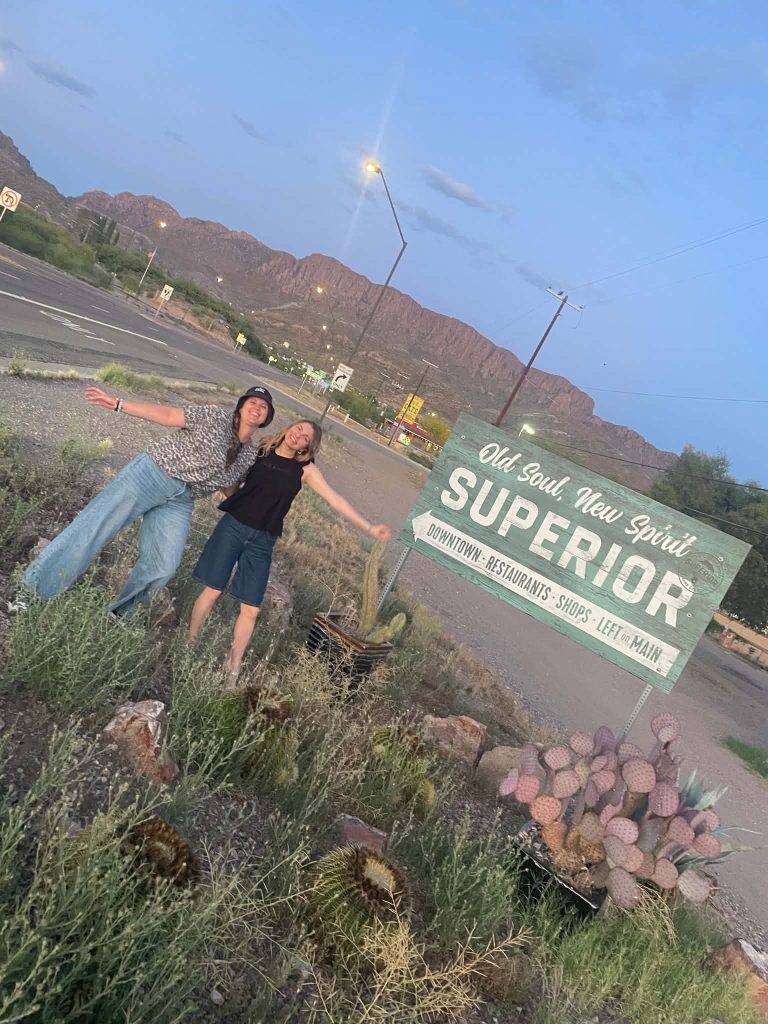
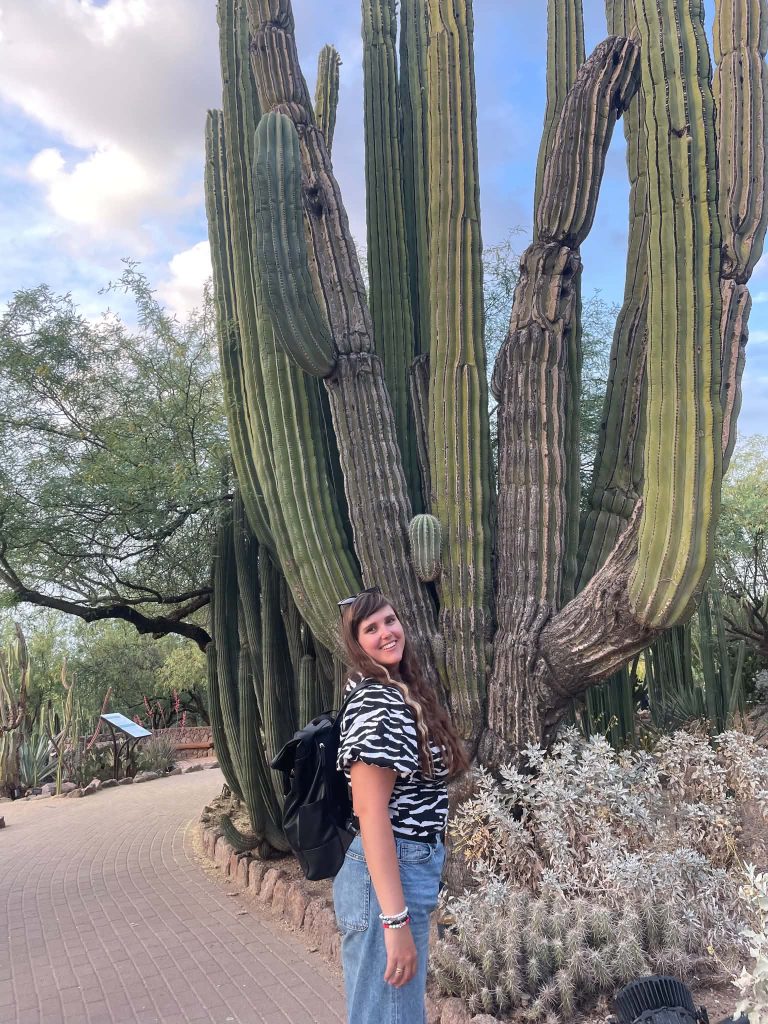
The successful revitalisation of such places, therefore, requires much more than physical renovation or a new function. Long-term success depends on planning processes that are sensitive to local identity, community values, and public expectations. One of the most fascinating aspects of my research was learning about a factor that had previously been unfamiliar to me: cultural sensitivity. Throughout the redevelopment plans, particular attention has been given to protecting the cultural and natural heritage of Indigenous communities. This includes preserving the remaining old native agave terraces on nearby Hayden Butte, protecting sacred sites, and conserving ecologically sensitive native plant species, including the protected hedgehog cactus.
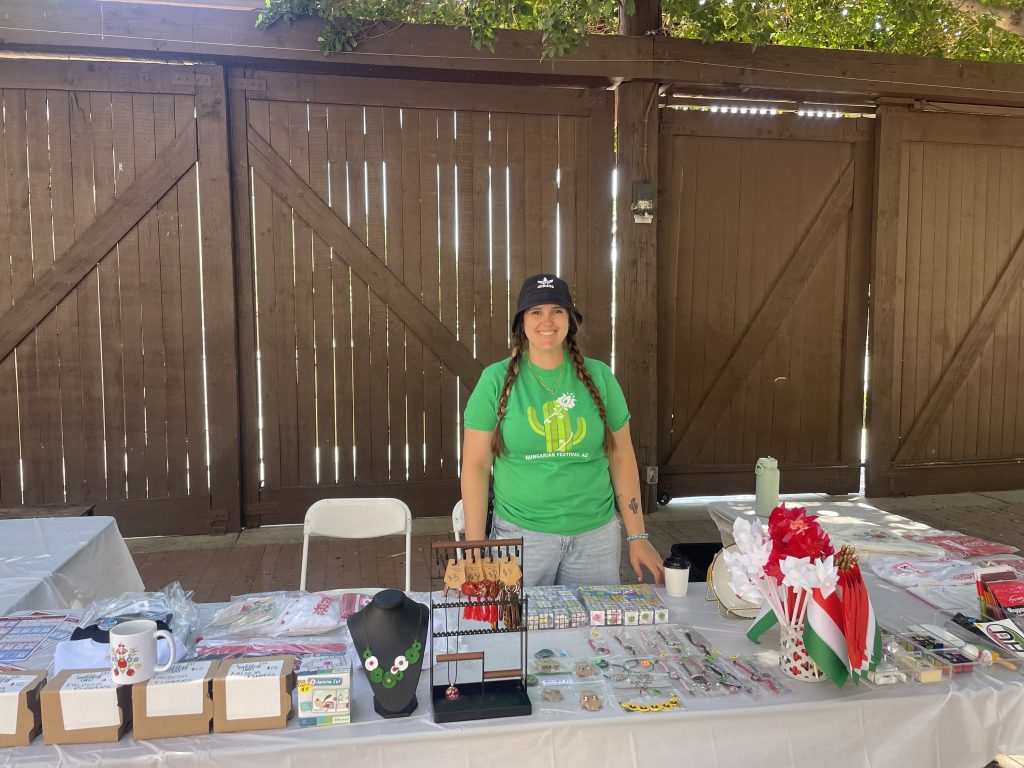
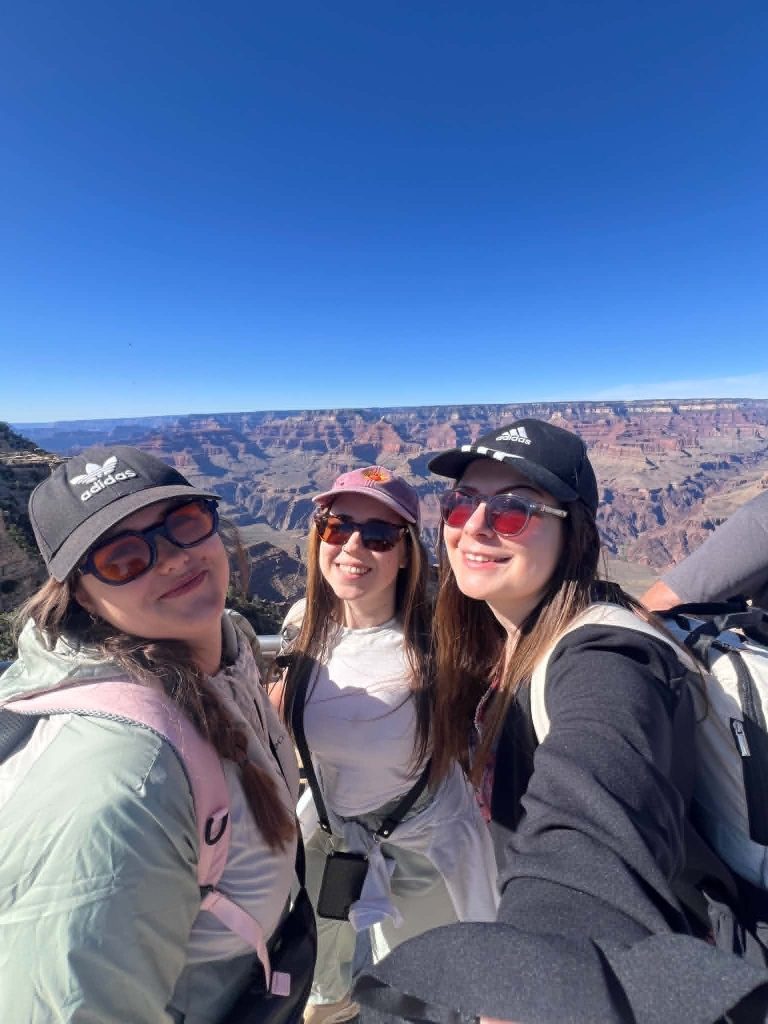
Beyond my research, my stay in Arizona provided countless memorable personal experiences. In March, I volunteered at the Hungarian Festival organised by the local Hungarian community, where I met wonderful people and heard many inspiring life stories. I also became good friends with a fellow NEURUS participant from Germany, and we have stayed in touch ever since—in fact, she will be visiting me in July. Experiences like this perfectly reflect one of the main goals of the NEURUS network: strengthening international connections. In April, two of my friends came to visit me in Phoenix, and together we took a road trip across some of the most spectacular landscapes of the U.S, including the Grand Canyon, Antelope Canyon, and Death Valley.
Throwback, I feel incredibly grateful to have been part of this unforgettable experience. It has enriched me both professionally and personally, and I sincerely hope that my story encourages other students to apply for international research opportunities. You never know where one application—and perhaps a second attempt—might take you.