
Jump to main content
BSc in

Applied
Economics

About the programme

Understand the Why. Decode the Data. Influence the Future.

The goal of the programme is to train professionals who are familiar with fundamental economic concepts and relationships, capable of structured, model-based, critical thinking, proficient in using a wide range of data analysis tools, and possess basic knowledge of the social sciences. This combination of these knowledge and skills opens the doors to numerous Master’s programmes for our graduates, allowing them to specialize in the direction that interests them most. As a result, when entering the job market, they can not only find a profitable career but one that truly suits them.

Why is it worth choosing this program?

  • Economics is a very exciting field, and the feeling of being able to understand more and more aspects of the economic environment around us is captivating.
  • The programme has a small student body, allowing for much closer relationships to develop, whether between students or between students and faculty.
  • Students continuously apply the knowledge they acquire, both within courses through shorter individual or group assignments, and across courses, too, thereby gaining significant experience in applying what they have learned and in problem-solving.
  • Solid preparation for competitive international Master’s programmes and prestigious careers.
  • We place great emphasis on teaching students to present the results of their analyses both in writing and orally – developing soft skills that are highly valued in the job market.
  • We treat mathematics as a tool, not something taught for its own beauty. Mathematics helps formalize economic problems and deepen understanding of data analysis tools.

Details

Programme name Applied Economics

Programme award Bachelor, BSc

ECTS 180

Duration 6 semesters (3 years)

Teaching hours approx. 12-18 hours/week

Mobility window We generally recommend the third year

Start date September 2026

Tuition fee (EEA)

990 000 HUF/semester

1 980 000 HUF/year

cca. 2 500 EUR/semester*

cca. 5 000 EUR/year

Tuition fee (Non-EEA)

3 300 EUR/semester

*The official price list can be found in the annex to the Regulation on Student Fees and Benefits.

This programme is available in Hungarian and English.

Who do we recommend this programme for?

If you enjoy solving problems, want to understand economic phenomena, and later get an exciting and well-paying job, then this is the place for you.

Corvinus University of Budapest

Career Opportunities
Most of our students go on to further studies, and since the Applied Economics bachelor's programme is an excellent gateway to many master's programmes, career opportunities are also diverse. Many of our former students have found positions as analysts at large corporations, banks, insurance companies, consulting firms, and public policy research institutions - such as macroeconomic analyst, market analyst, actuary, financial analyst, and more. Others hold decision-preparation or decision-making roles in economic policy-making institutions. Some have even pursued careers in journalism, real estate expertise, statistics, or academia.
International MBA students

What will you study?

Year 1:

*

Foundations: introductory courses (economics, data analysis, business studies) and mathematical toolkit.

Year 2:

*

Core courses: microeconomics, macroeconomics, and econometrics.

Year 3:

*

Applications: further core and elective courses, as well as thesis writing.

*

International opportunities

Exchange programmes

Corvinus has nearly 200 partners worldwide, and depending on the type of funding, you can apply to study at these institutions.

Corvinus University of Budapest

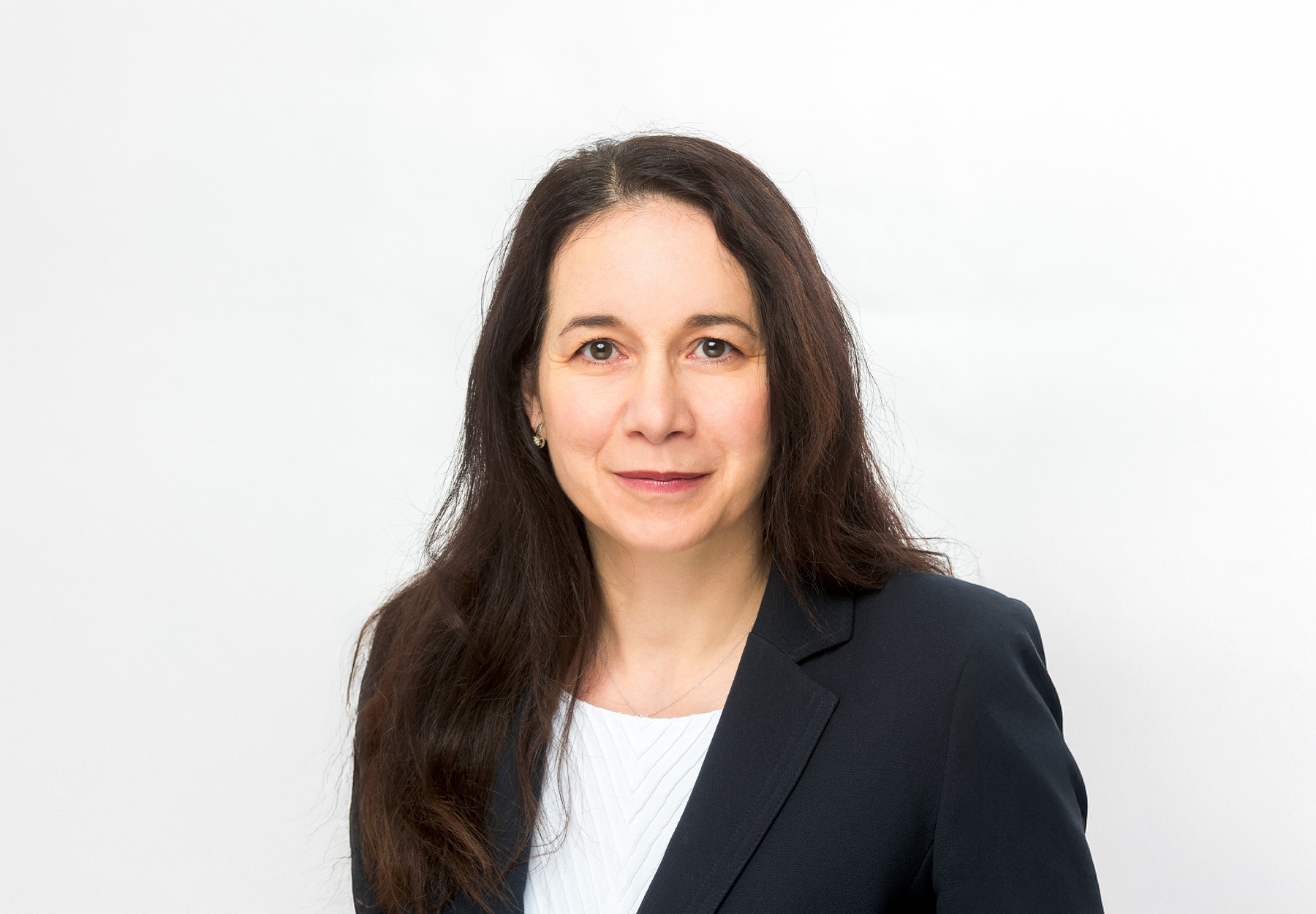
Dr. Dóra Győrffy

Professor

Programme Director

Our resources (labor, savings, time, and attention) are scarce, meaning they are available in limited quantities. Economists seek to understand how to distribute these efficiently at the level of individuals, businesses, and states. How do the prices of individual products emerge? Who sets the prices? How do government interventions affect the economy? What causes inflation or unemployment? Why are some countries wealthier than others? Economists work with data-based statistical analyses, mathematical models, and economic theories to find answers to these questions. The BSc in Applied Economics offers an introduction to this exciting world, providing a solid foundation for both entering the job market and pursuing master-level studies.

Email: dora.gyorffy@uni-corvinus.hu
Corvinus University of Budapest

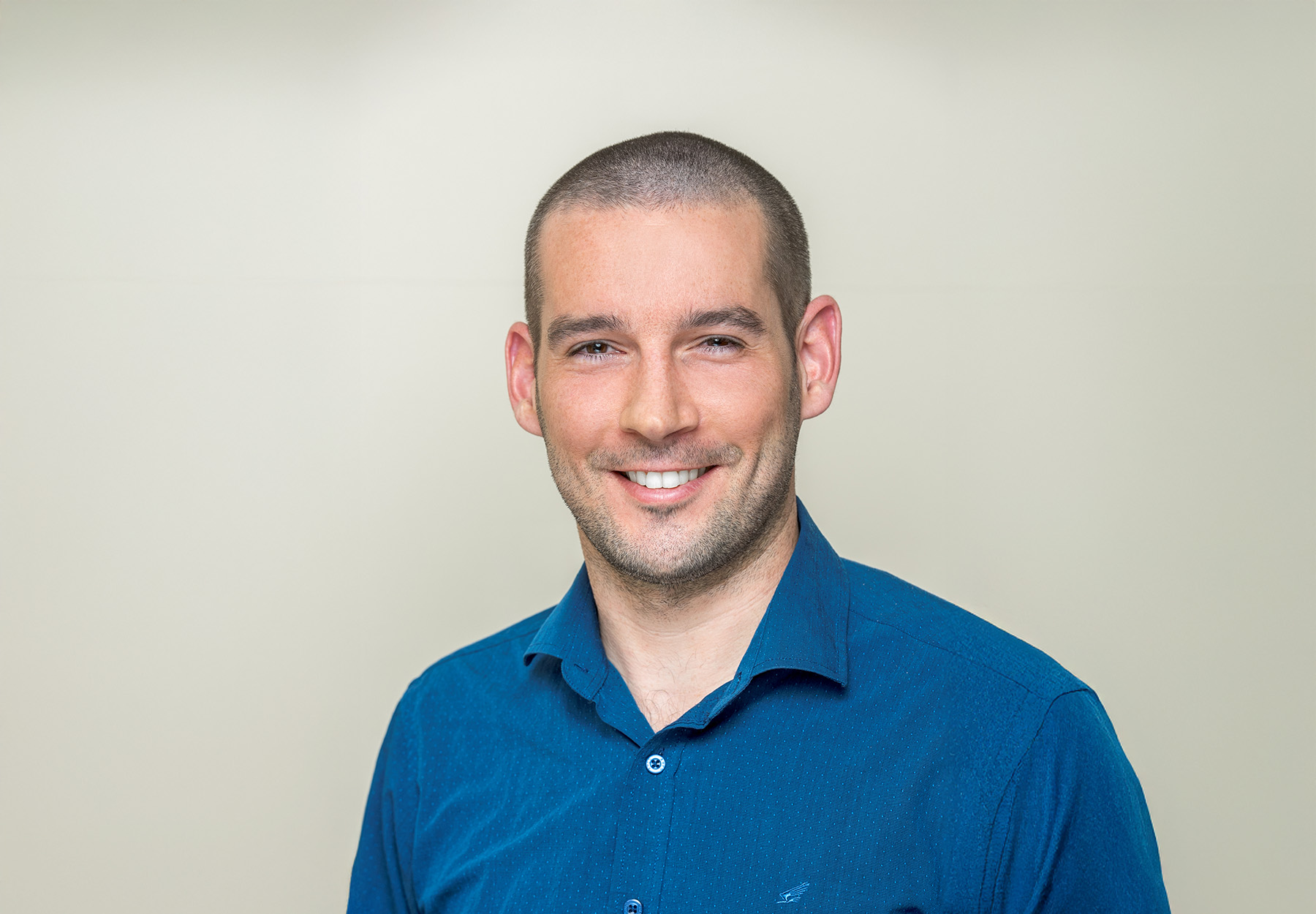
Dr. László Tőkés

Assistant Professor

Program Representative

A guy named Snow, considered practically a nobody at the beginning, takes down powerful enemies and is celebrated as a hero by the end of the story. Does that sound familiar? Surely it does, but no, this is not about Ned Stark’s illegitimate son, the bastard. It is about John Snow, who revolutionized the fight against cholera in mid-19th-century London through extensive data collection and rigorous analysis, saving many lives. Snow is now known as the father of epidemiology. Have you ever heard about the Nazis’ grand plan, Operation Bernhard, where they aimed to cause economic chaos in Great Britain by counterfeiting British banknotes and flooding the country with them to gain an advantage in the war? An Oscar-winning movie, The Counterfeiters, was even made about the story. Snow based his idea on data analysis, while the Nazis relied on economic theories. In the program, we focus on these two areas, and my colleagues and I are constantly working to train economists who are capable of combining theory with empirical methodologies.

Email: laszlo.tokes@uni-corvinus.hu

Corvinus University of Budapest

Lili Horváth

Student

Applied Economics

Honestly, what I love about being in this program is that it gives you a bit of everything. Instead of focusing on just one narrow path, you get a broad view that helps you build a really versatile, practice-based skillset for the future. You are free to explore different fields, whether it's math, sociology, data analysis, or anything else basically. Besides, the best part is that it actually leaves you enough breathing room to have a life outside of classes. You can easily join student organizations, play sports, work on side projects or research, and build a great network of friends. By the time you graduate, you don't just have a degree – you have the confidence and the real-world skills to get into a broad range of industries.
Email: lili.horvath@stud.uni-corvinus.hu


Leading university

Rankings

#2 Best Business School in the region

EdUniversal Rankings

#351-400 in Business and Management

WUR Ranking by Subject

TOP 70 in Master’s in Finance in the world

Financial Times

Accreditations and networks

Corvinus University of Budapest

Career Opportunities

Most of our students go on to further studies, and since the Applied Economics bachelor's programme is an excellent gateway to many master's programmes, career opportunities are also diverse. Many of our former students have found positions as analysts at large corporations, banks, insurance companies, consulting firms, and public policy research institutions - such as macroeconomic analyst, market analyst, actuary, financial analyst, and more. Others hold decision-preparation or decision-making roles in economic policy-making institutions. Some have even pursued careers in journalism, real estate expertise, statistics, or academia.
Copied to clipboard
×