Thesis proposal defence of Krisztián Németh – the coherence of Hungarian monetary policy
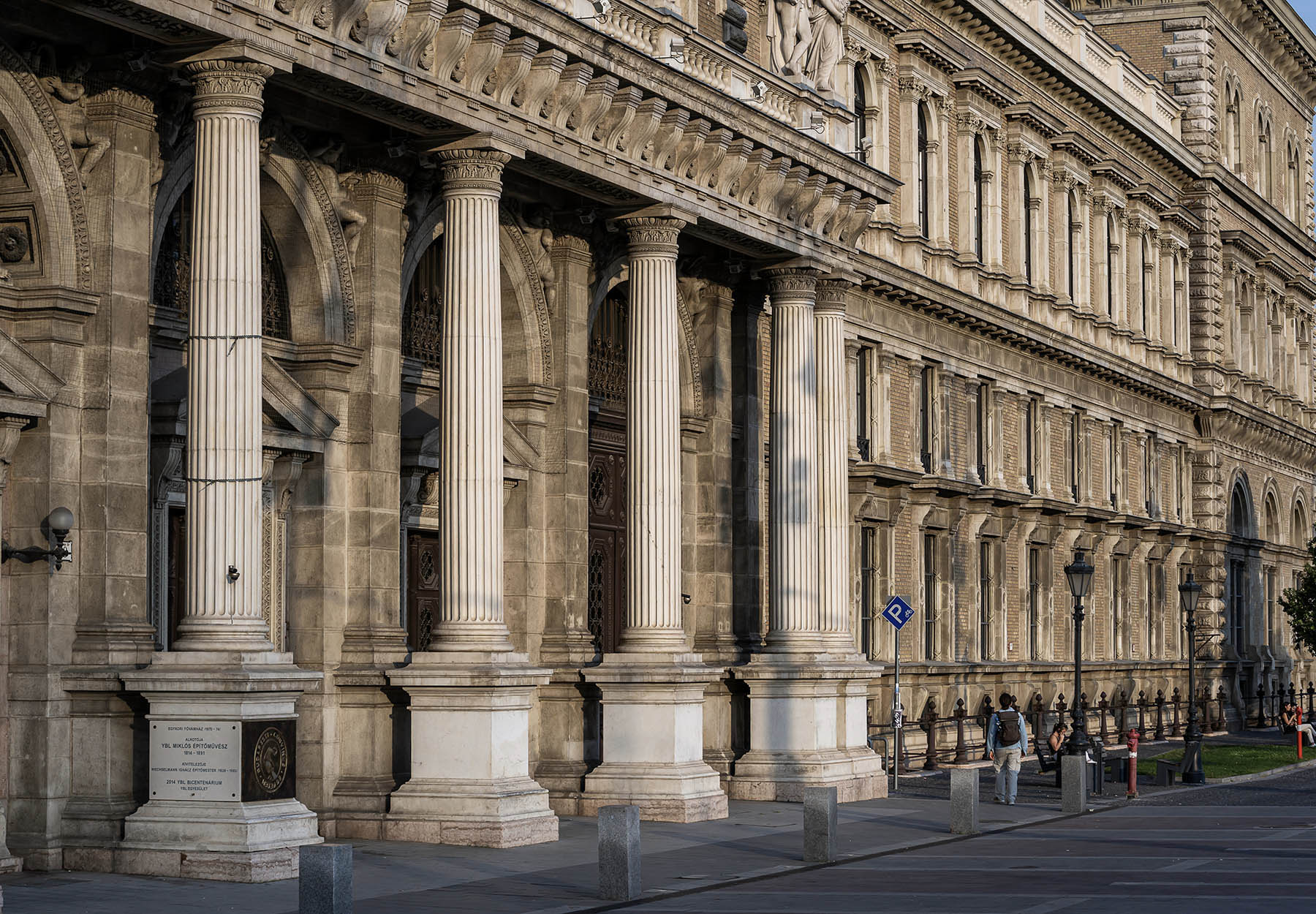
The Doctoral School of International Relations and Political Science of Corvinus University of Budapest cordially invites all those interested to the public defence of the thesis proposal of PhD candidate Krisztián Németh. Title: The Coherence of the Hungarian Monetary Policy Between 2013 and 2025.
Date: Thursday, 12 November 2026, 15:30—17:00
Venue: Corvinus University of Budapest, Building C, Room C.5.510
Format: hybrid – you are welcome to attend either in person or online
Language: English
Supervisor: Gergő Medve-Bálint
Chair of the committee: Ágnes Szunomár
Opponents: Gábor Tamás Molnár (CUB), Dóra Piroska (CEU)
Secretary: Imre Gergely Szabó
About the research
In a fragmenting global order where central bank independence faces multiple challenges, this dissertation examines the coherence of monetary policy in small, open and transnationally integrated economies. Post-2013 Hungary is selected as the empirical case for its durability, continuity and first-mover status.
The article-based dissertation first maps the economic policy models of East-Central Europe and develops an analytical framework for assessing policy coherence. It then identifies which theoretical model best describes Hungarian monetary policy (internal coherence) and examines the alignment between monetary and fiscal policy (external coherence).
Analysis of the MNB’s three flagship programmes – the Funding for Growth Scheme, the Self-Financing Programme and the Bond Funding for Growth Scheme – shows that Hungarian monetary policy followed an economic-nationalist logic: central bank independence declined, developmental banking functions expanded, and the economy was systematically overheated. The dissertation also proposes a theory to explain the volatility of fiscal-monetary cooperation in countries with high political centralisation but formally preserved de jure independence.